
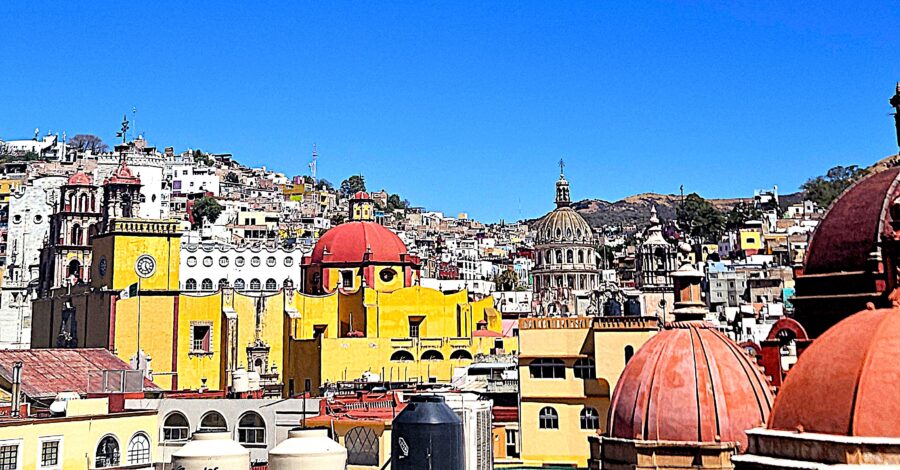
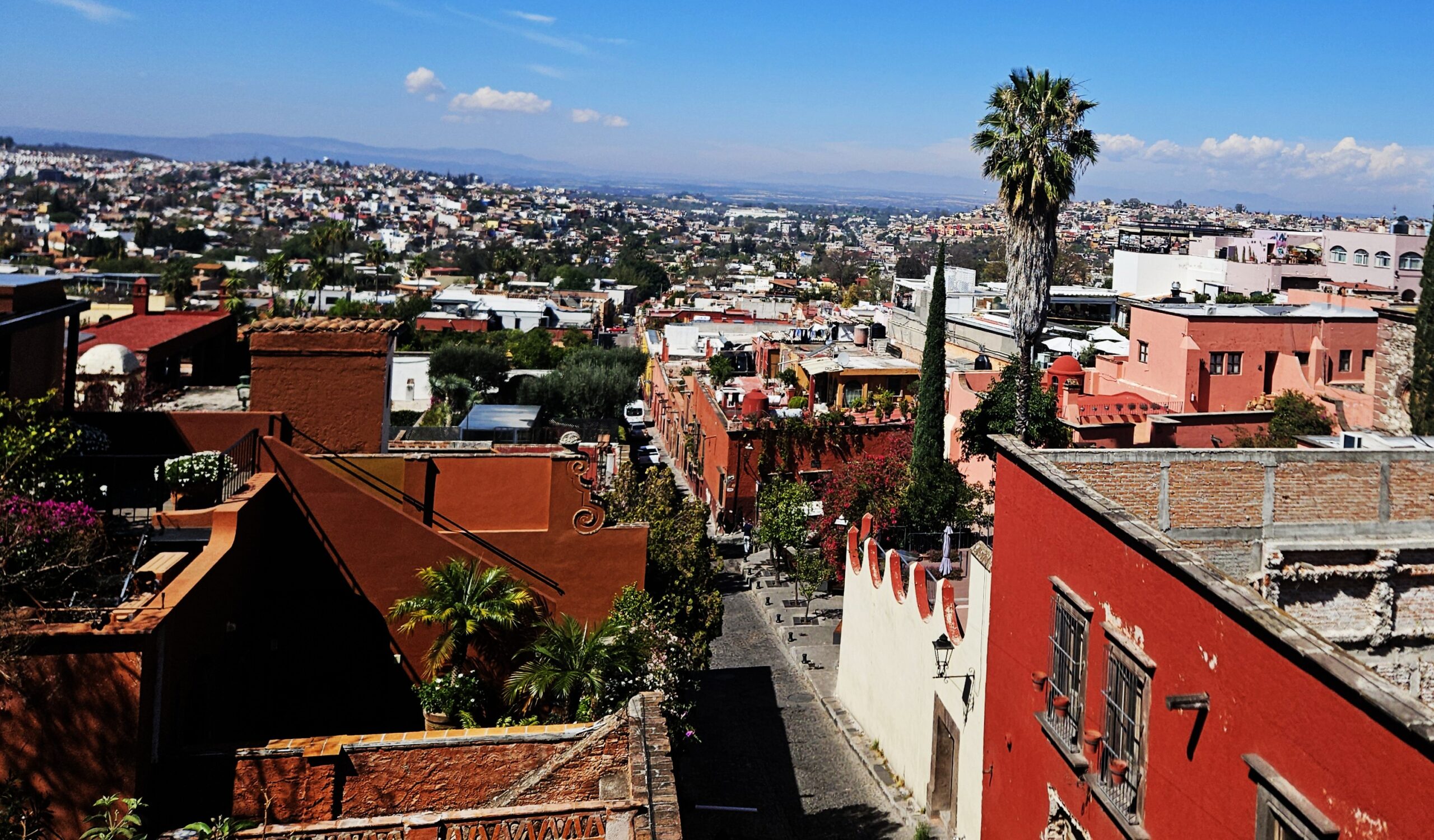
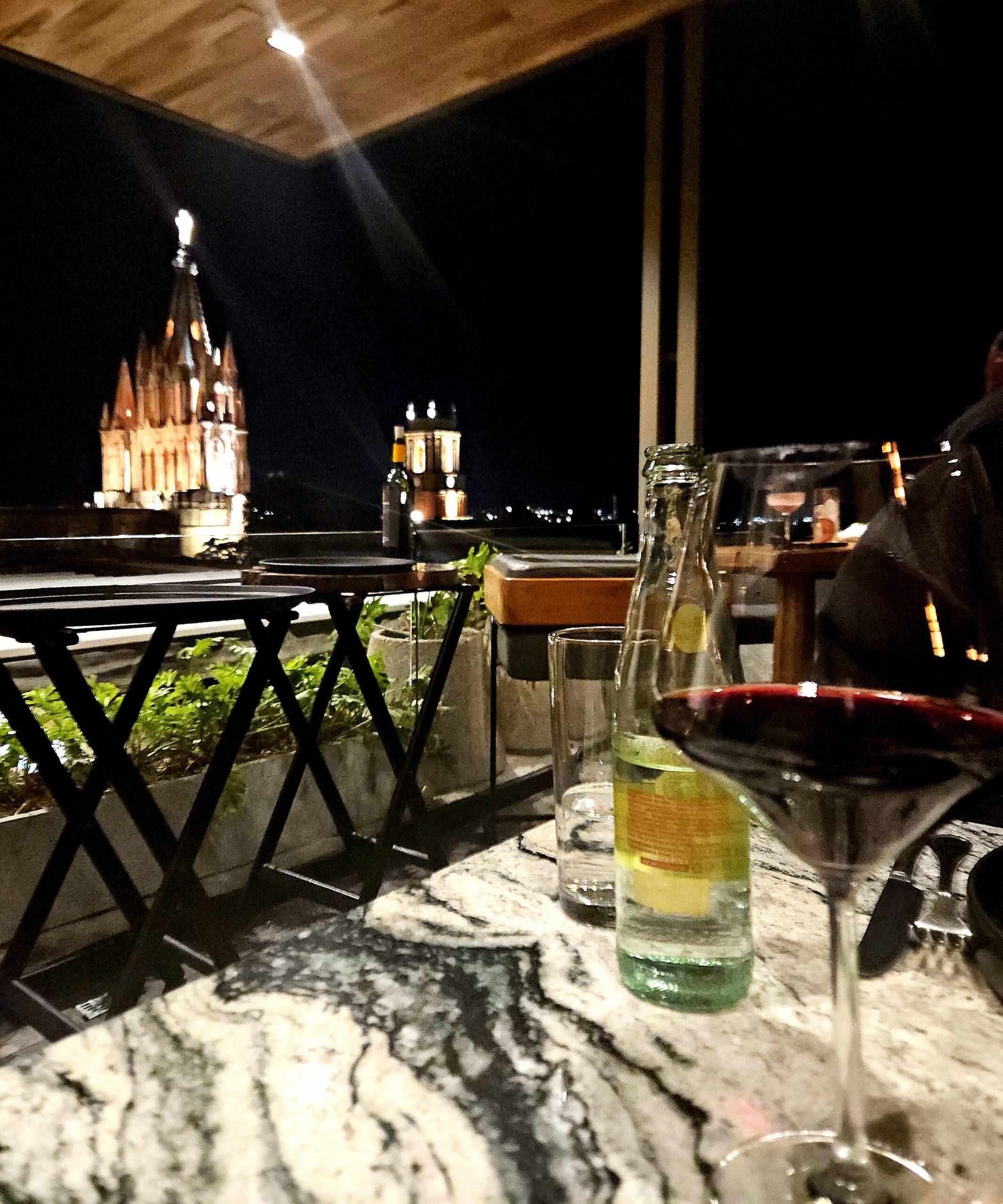
 Two of my favorite cities in Mexico, Guanajuato and San Miguel de Allende, are located in the central highlands. The two cities were established during the Colonial period-a 300 year span of Spanish rule following the fall of Tenochtitlan which was the capital of the Aztec Empire. Both towns brim with magnificent Spanish architecture. Established during the colonial mining era, the cities are now known for their captivating cobblestone streets, stunning architecture, and international food and arts scene. San Miguel is well populated with American, Canadian and European expatriates. Guanajuato has far fewer, and thus retains a more authentic Mexican feel, where locals live, work and attend school. Each city is filled with endless cafes, bars, street food stalls, markets, souvenir shops and art galleries. The two are less than 50 miles apart, about an hour and a half away from one another.
Guanajuato
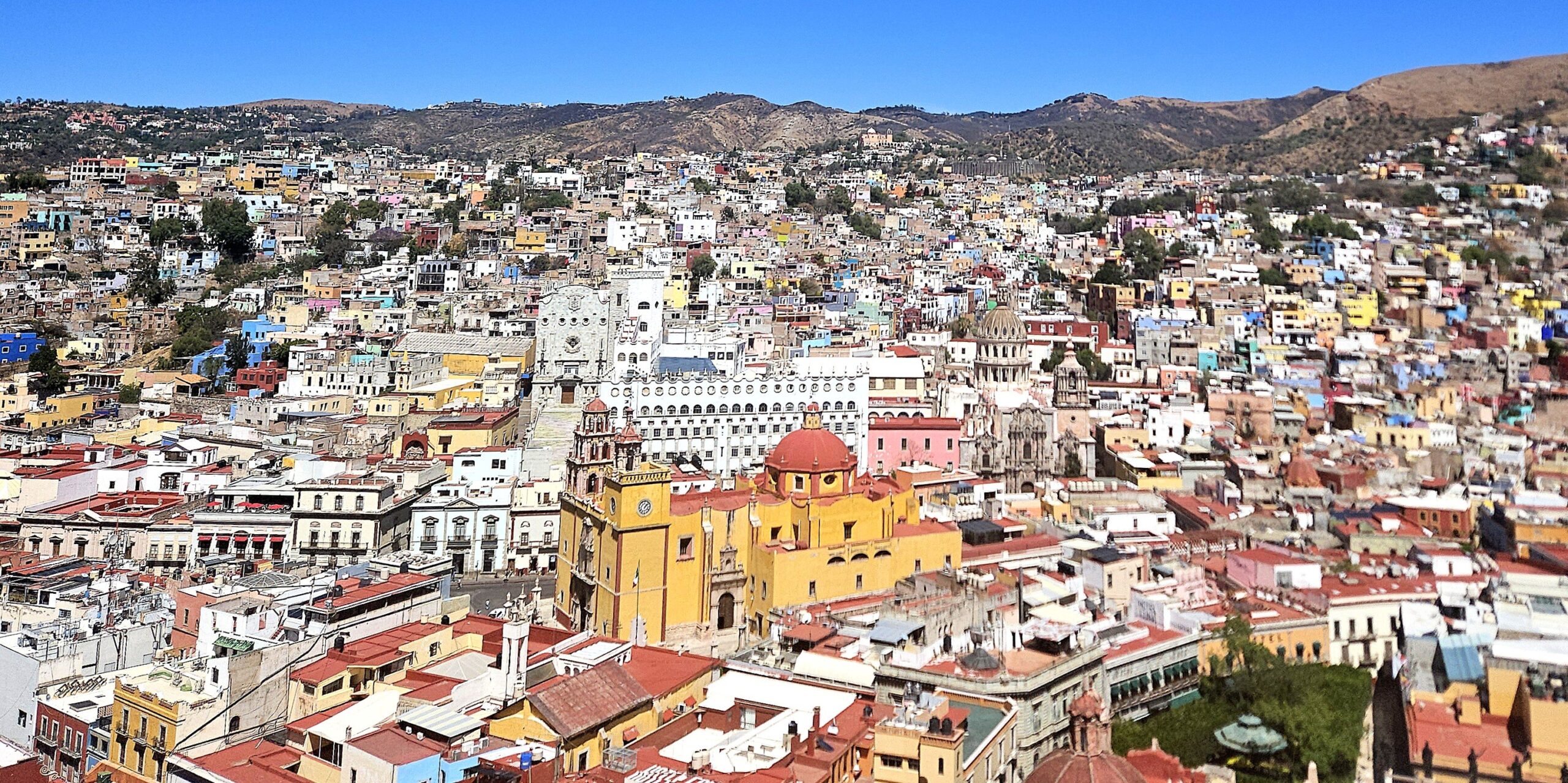
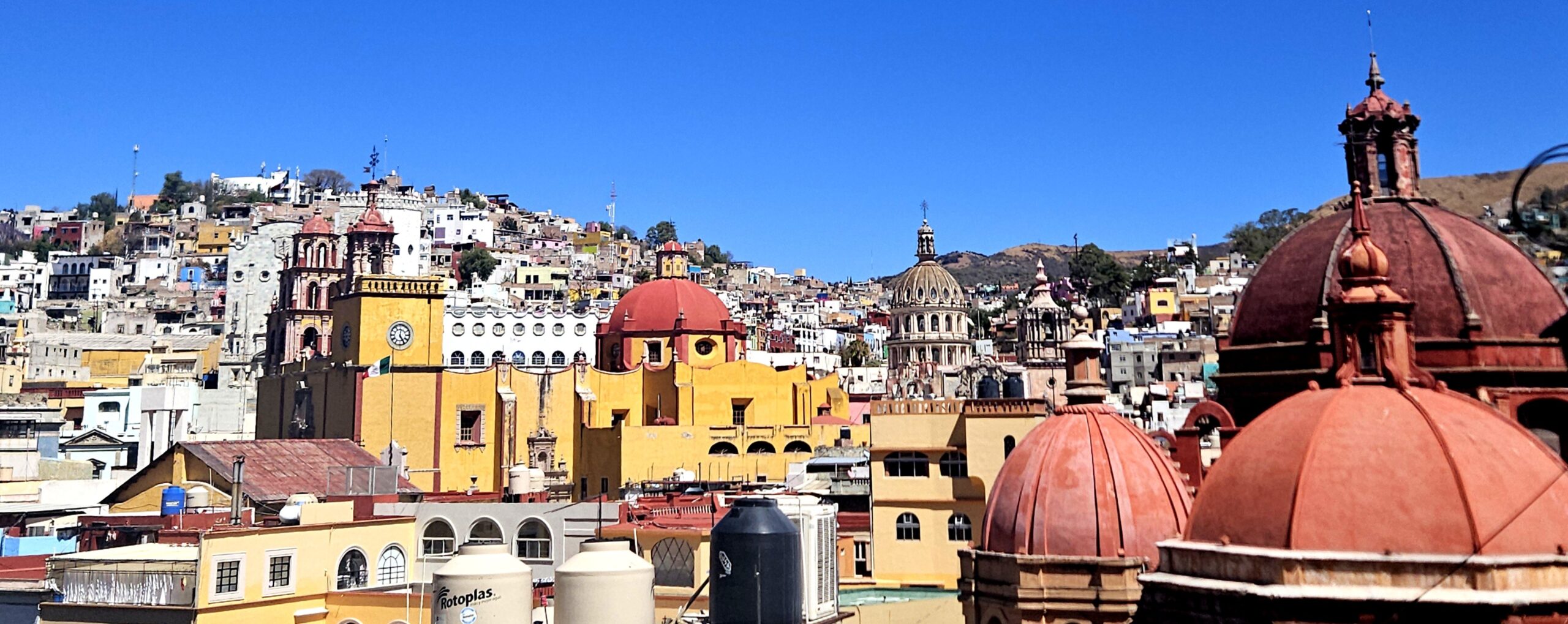
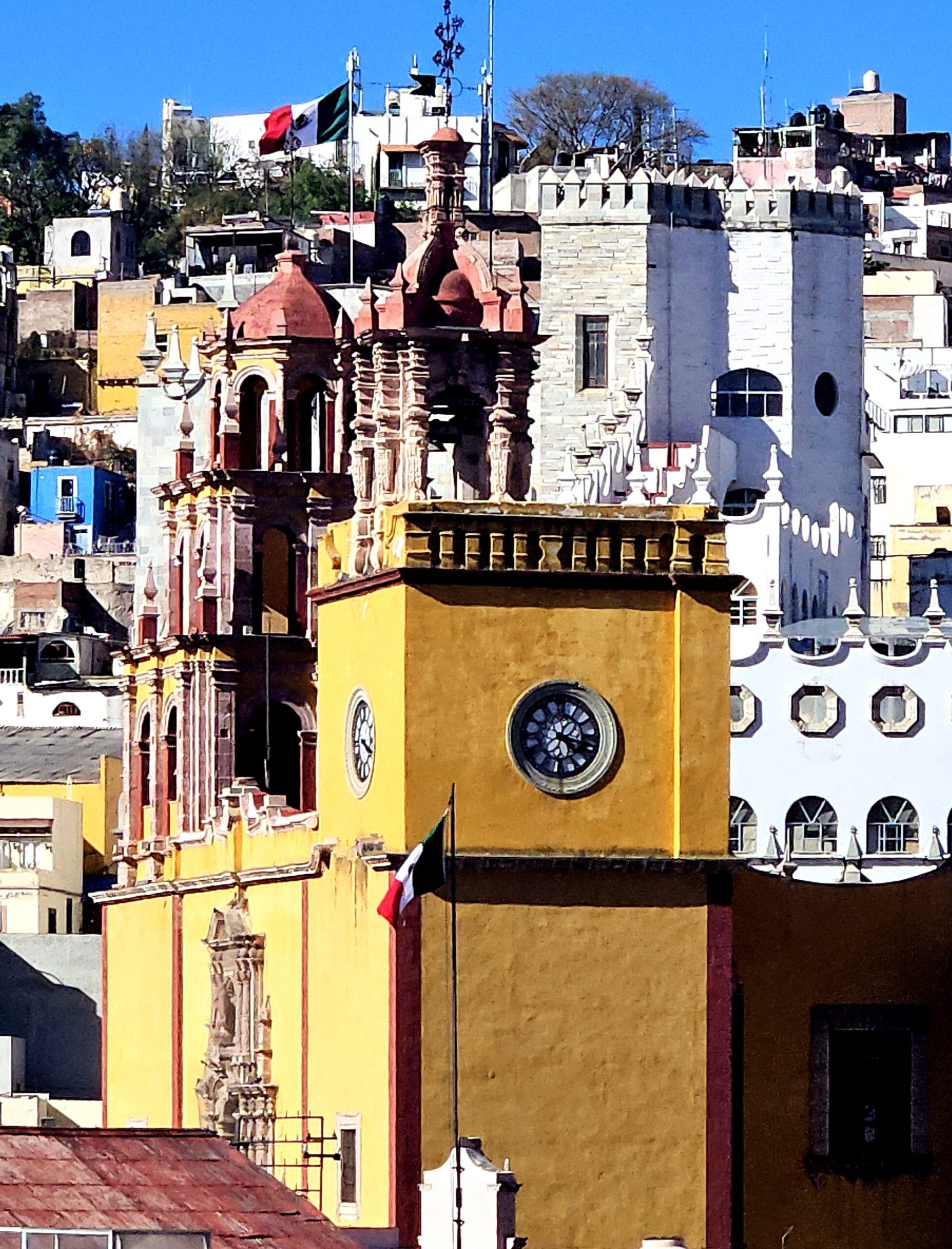 Guanajuato has been a UNESCO World Heritage site since 1988. Homes in every conceivable color drape the hillsides above the center of the city. Bright, brilliant colors in a jumble of architectural styles. There is a stark gritty atmosphere here which is very different than San Miguel de Allende. Large sections of the town are not fully restored yet are strikingly beautiful.
 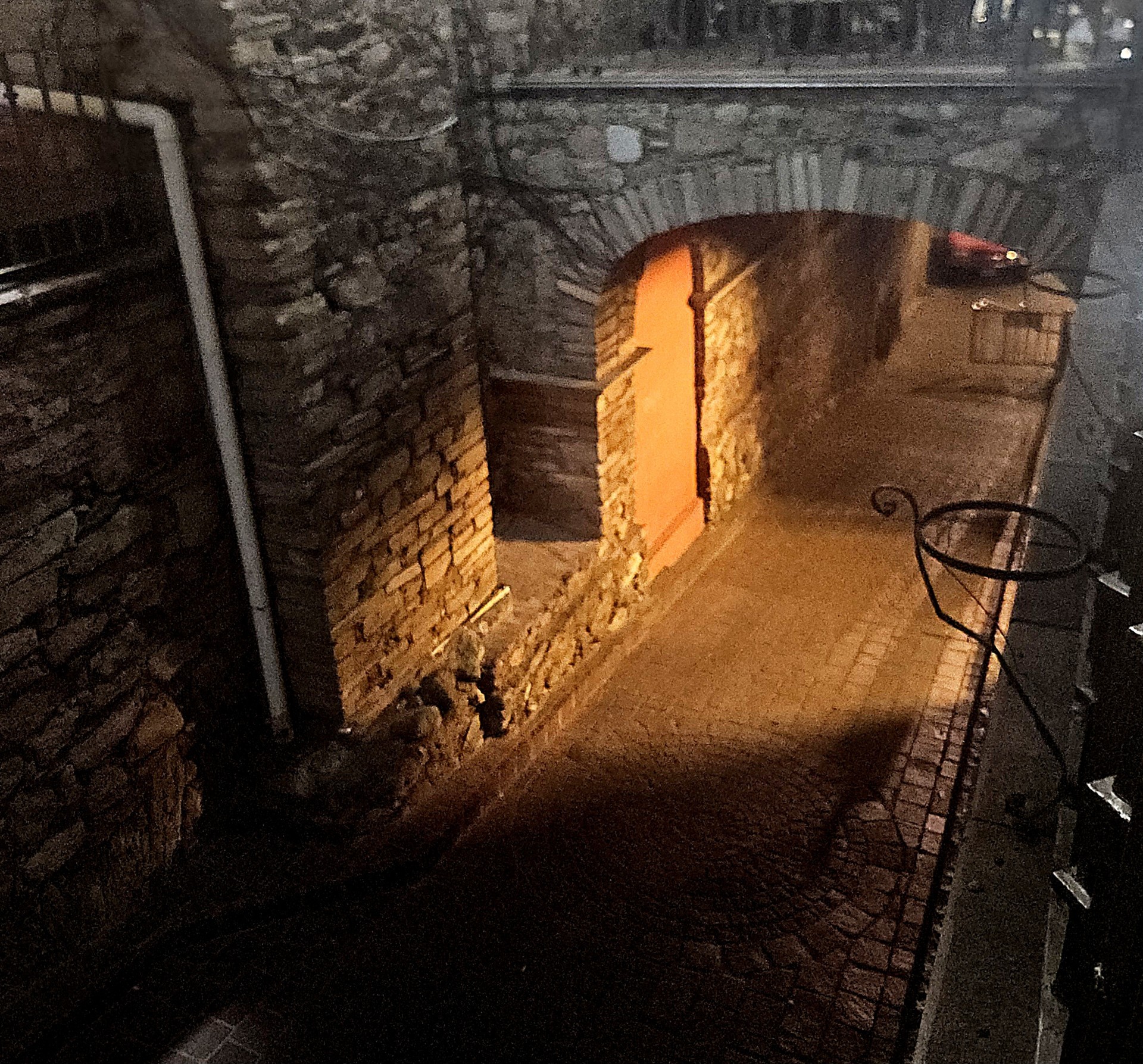 They are filled with colorful plazas, historic churches with an animated atmosphere of winding streets and narrow back alleys. Here too are many sites related to the Mexican Revolution of 1910.
It is a great city for walking. The narrow, tight streets are annoying and disorienting for cars. One of the city’s distinctive features is a labyrinth of underground tunnels that are utilized as roads. You can easily get lost down there. Better to park down below and walk up into town.
Some of the best sights in town are:
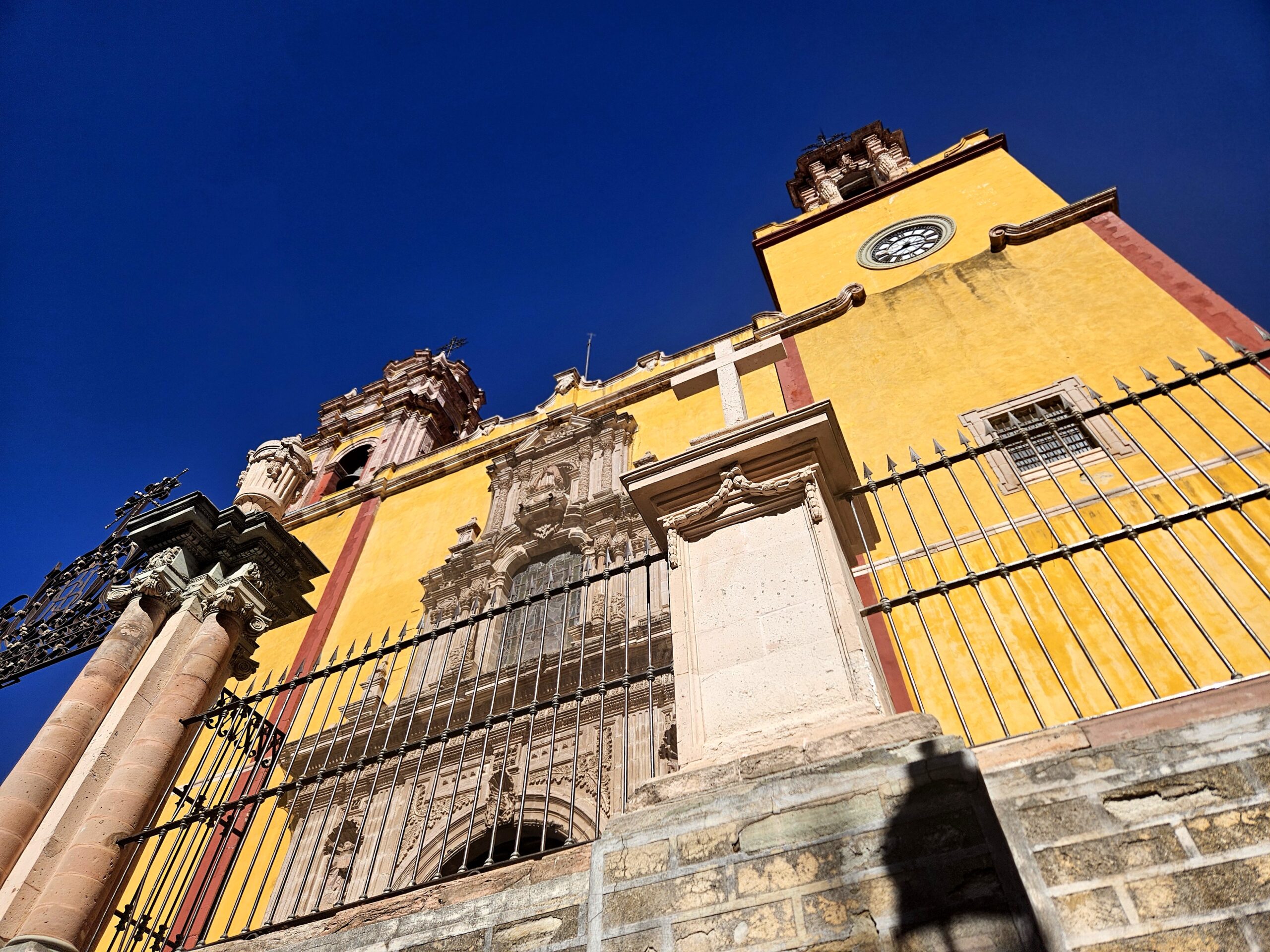
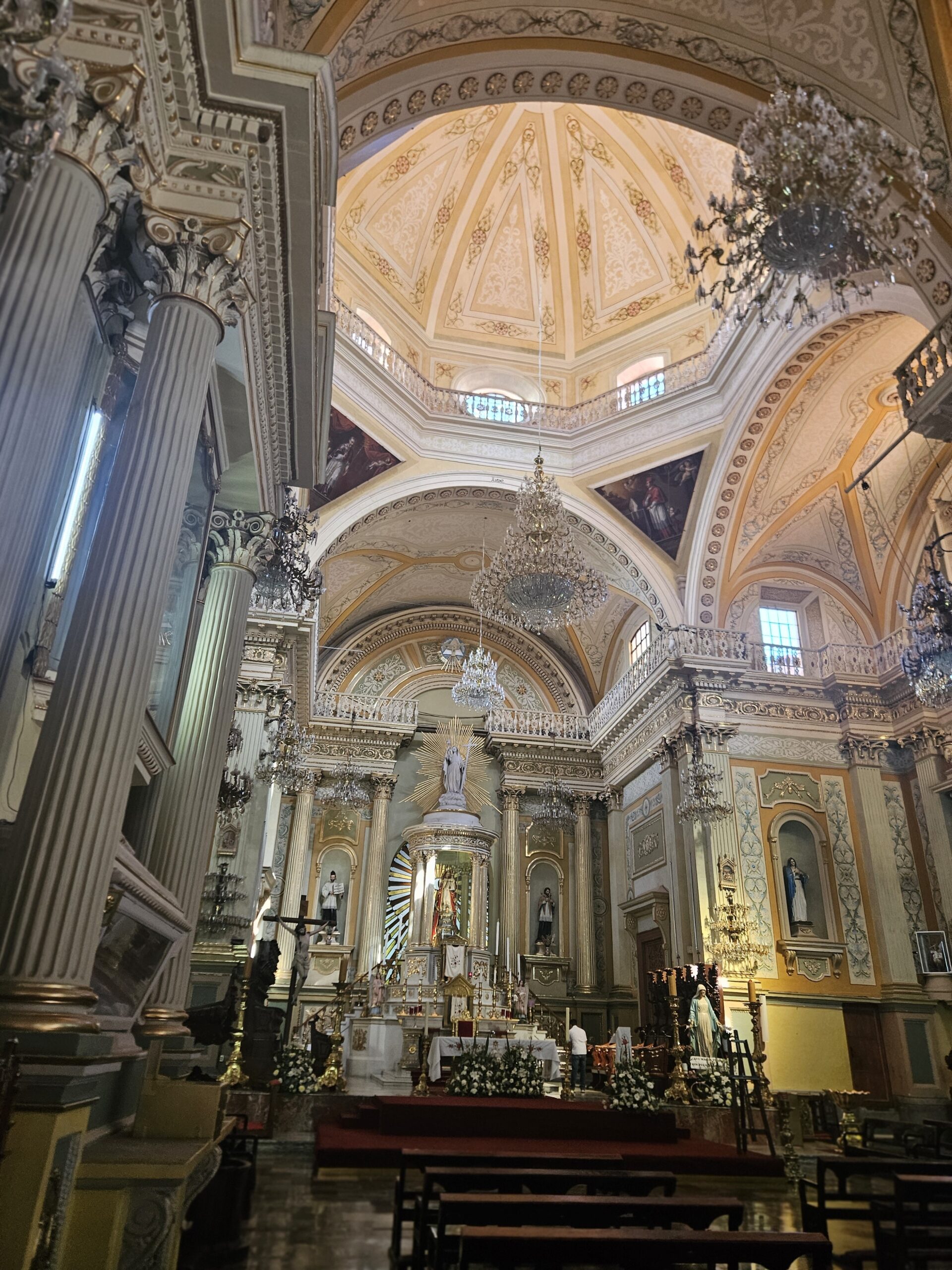 The Basilica of Guanajuato (Basilica Colegiata de Nuestra Señora de Guanajuato) is of an impressive Baroque design with a gemstone inlaid Virgin Mary statue. Legend says that, as protection from repeated invasions by the Moors, this Mary was hidden in a cave in Spain for 800 years. King Phillip II of Spain gifted it to Guanajuato.
  The Basilica is a significant structure in the main plaza. It was initially constructed in 1671 but has had a number of alterations and additions. The exterior is painted bright yellow with burgundy details and a domed roof.
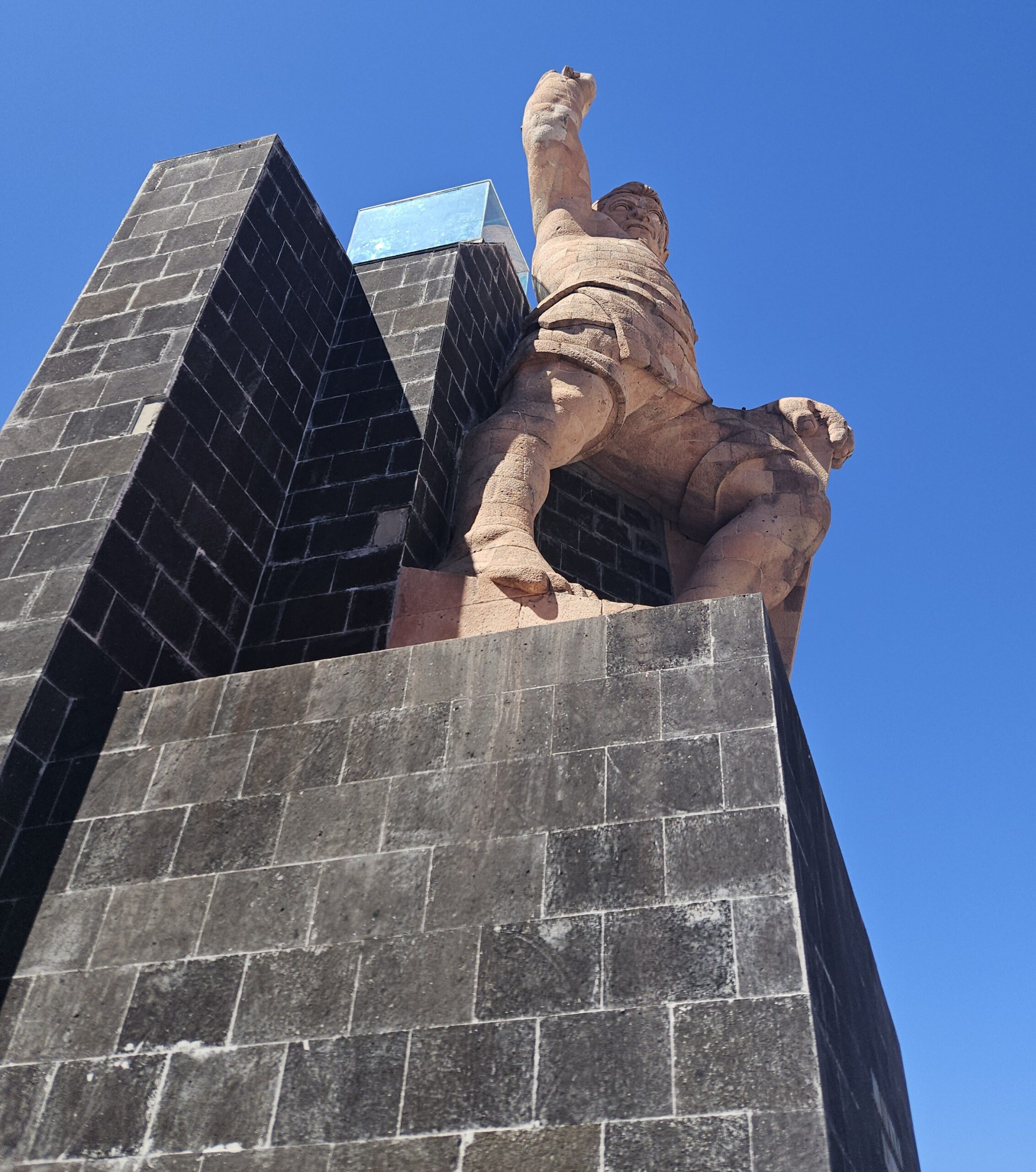
The Monument to Pipila (Monumento El Pípila), located on the hillside, honors Juan José de los Reyes Martínez, a hero of Mexican independence. From here you can see panoramic views of the city) It is reachable by funicular or by a number of steep flights of stairs.
Alley of the Kiss (Callejón del Beso) has a romantic legend, promising love—well, seven years of love—for those who kiss on its steps. It is a great spot for photos.
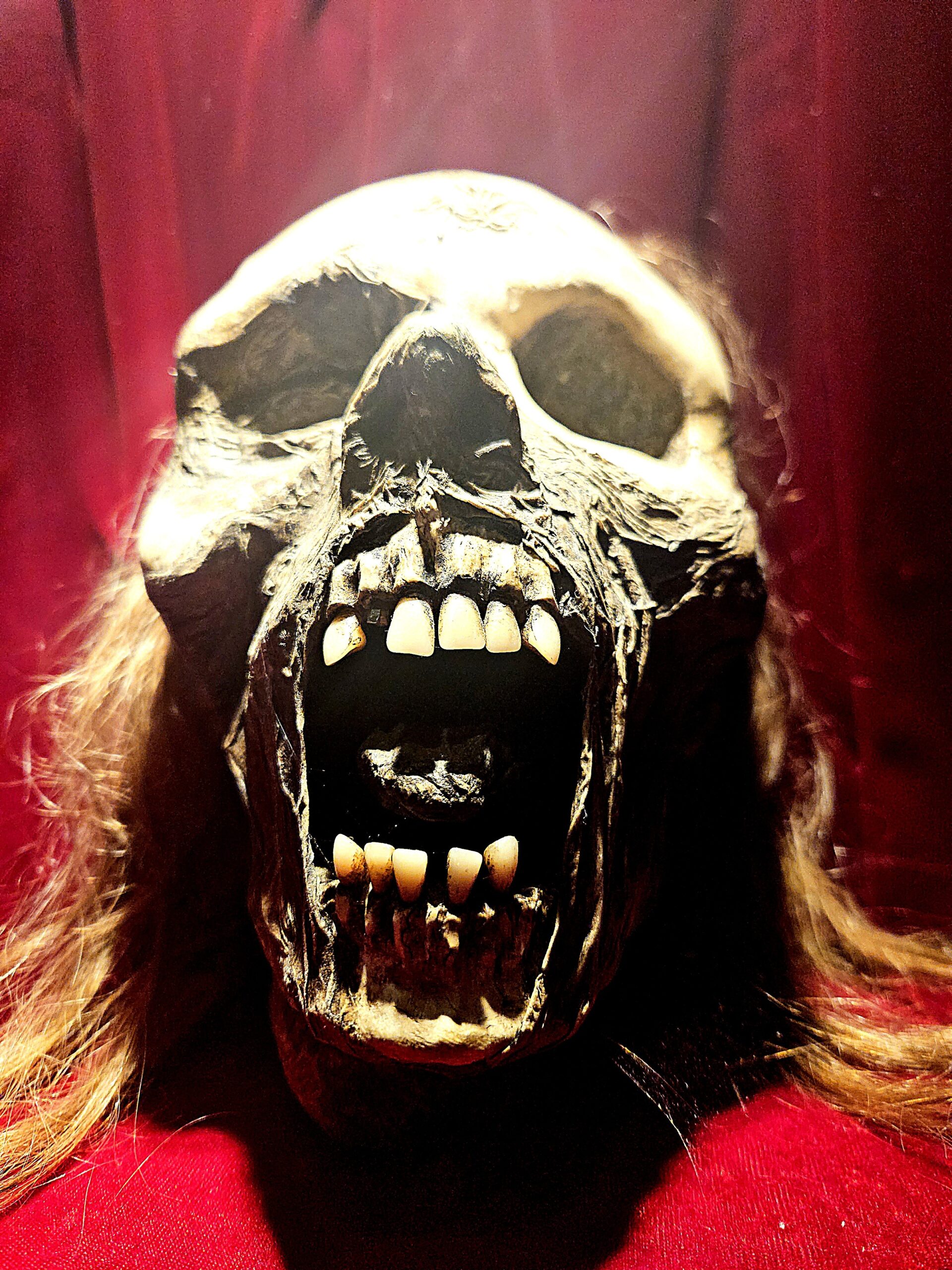
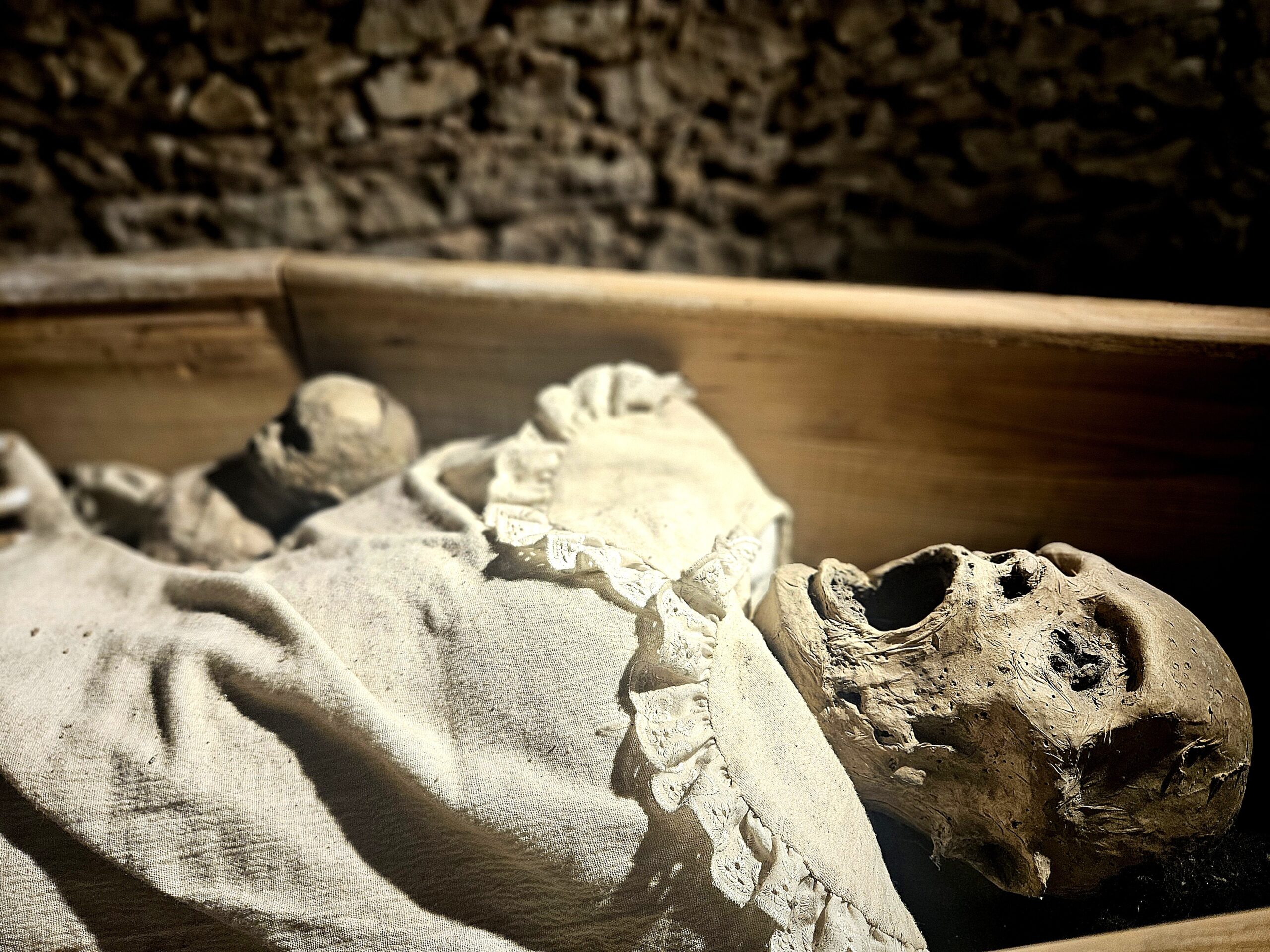
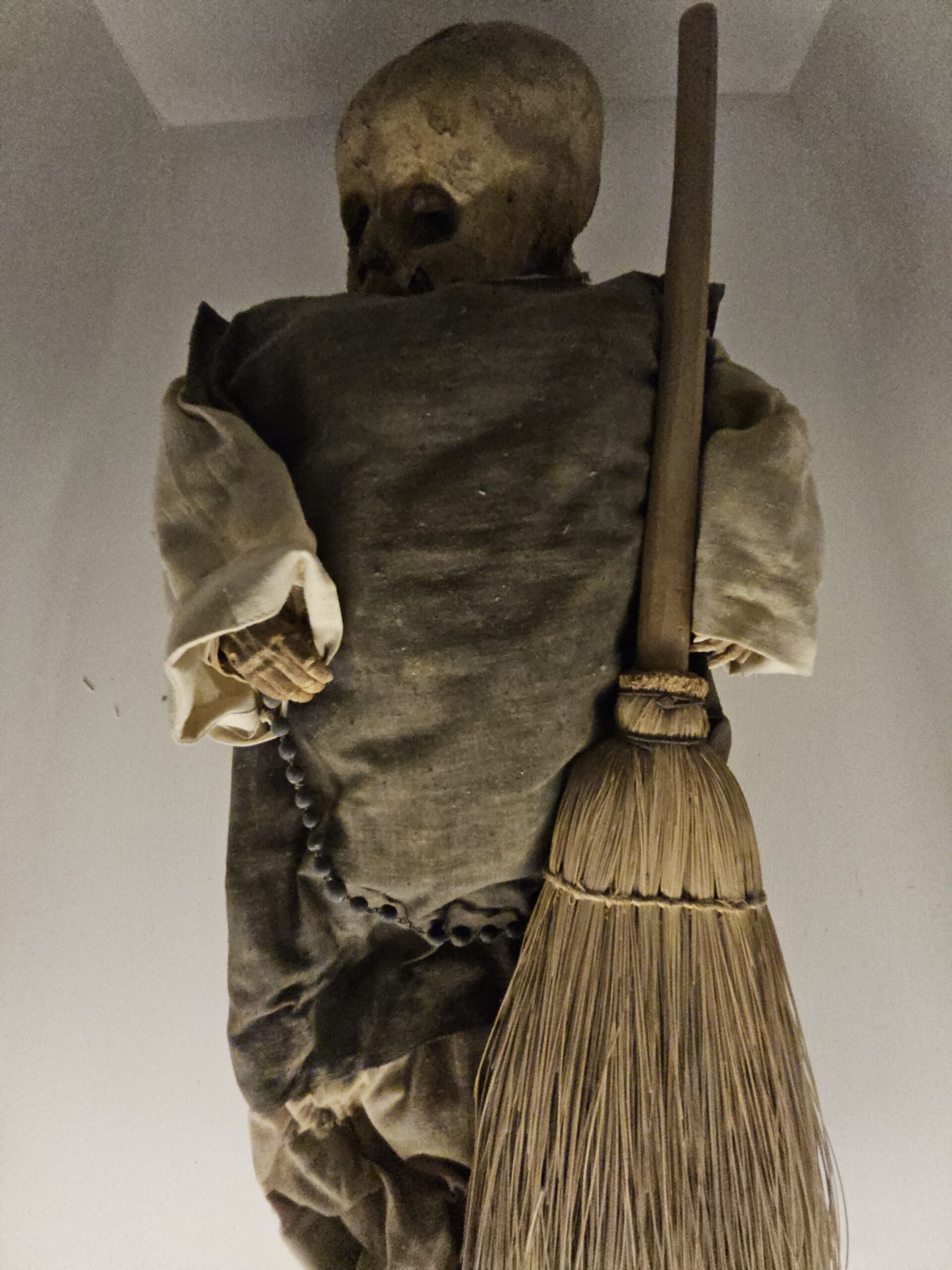
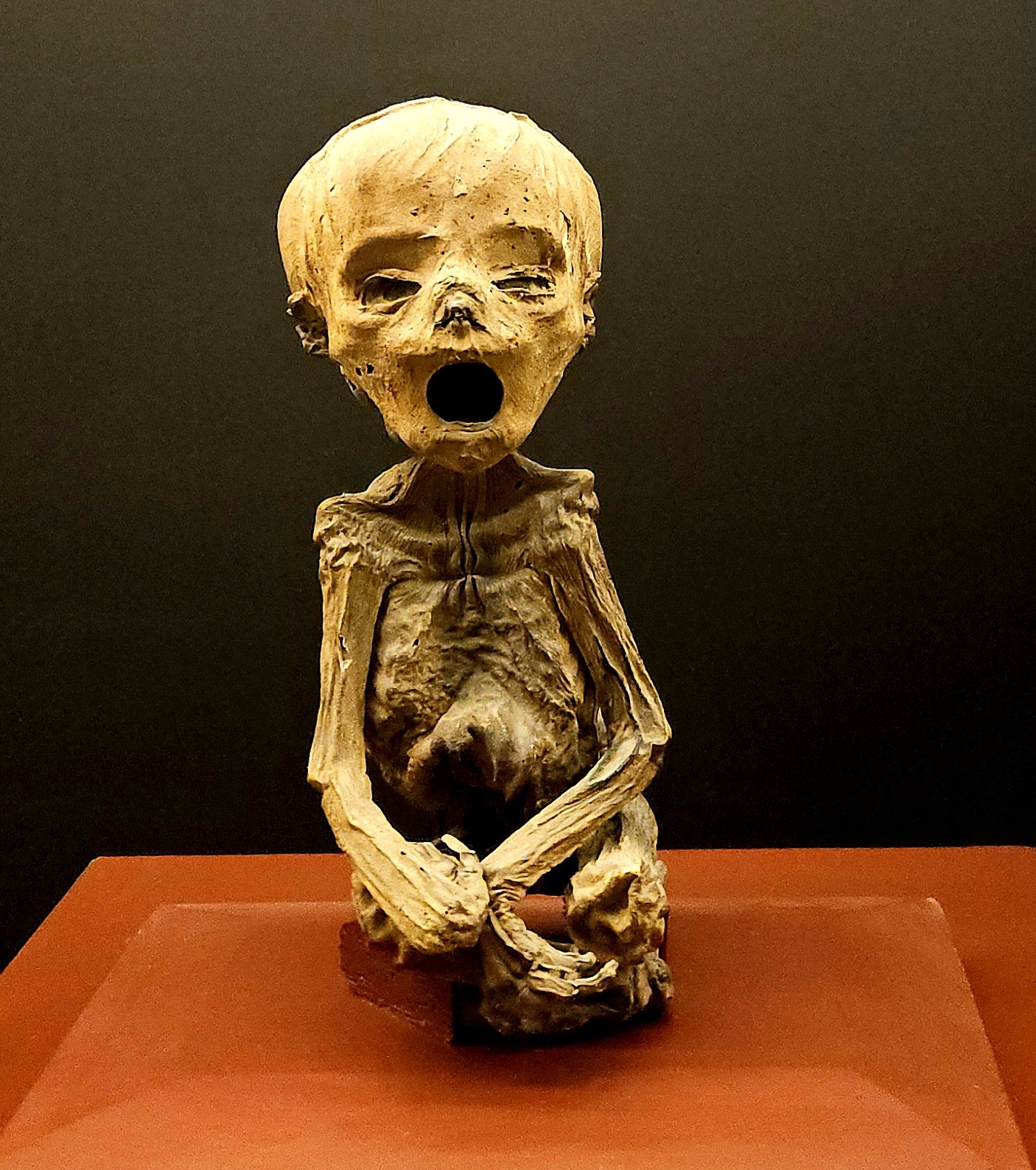 The Mummy Museum (Museo de las Momias) is my favorite site in Guanajuato. Human remains mummify naturally in the high desert. No embalming necessary. This underground museum offers a fascinating view of over a hundred mummies or mummified bodies from the 19th and 20th centuries. Plenty of local history here. Get here early to avoid the crowds. It is the city’s top attraction.
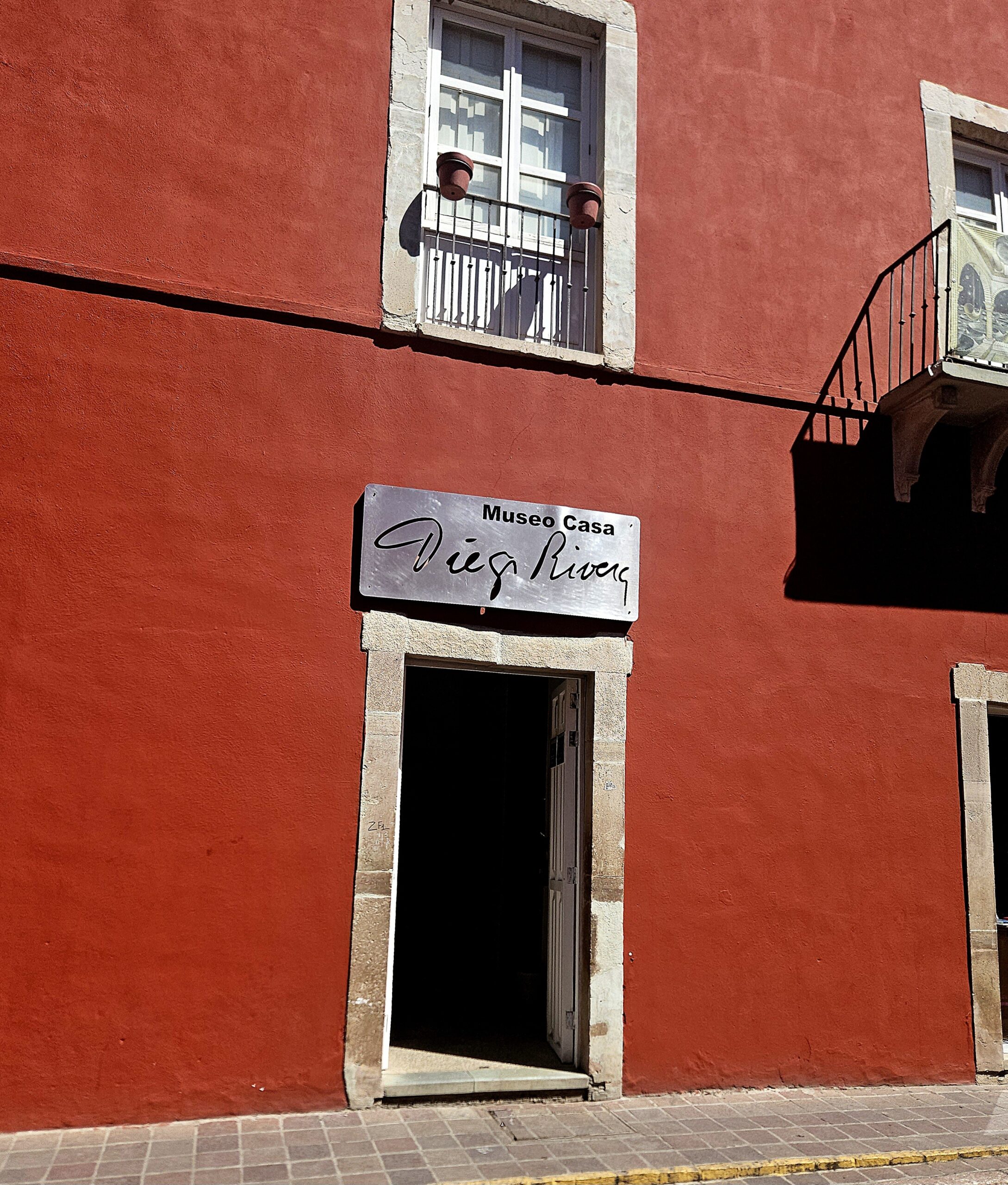 Diego Rivera Museum: The birthplace of the legendary muralist, full of antique furniture and his early art works. It is a compact museum on three floors located in the historic city center. The ground floor has been furnished to reflect the home as it was during the artist’s childhood. The upper floors display some early paintings, sketches and a small collection of his work.
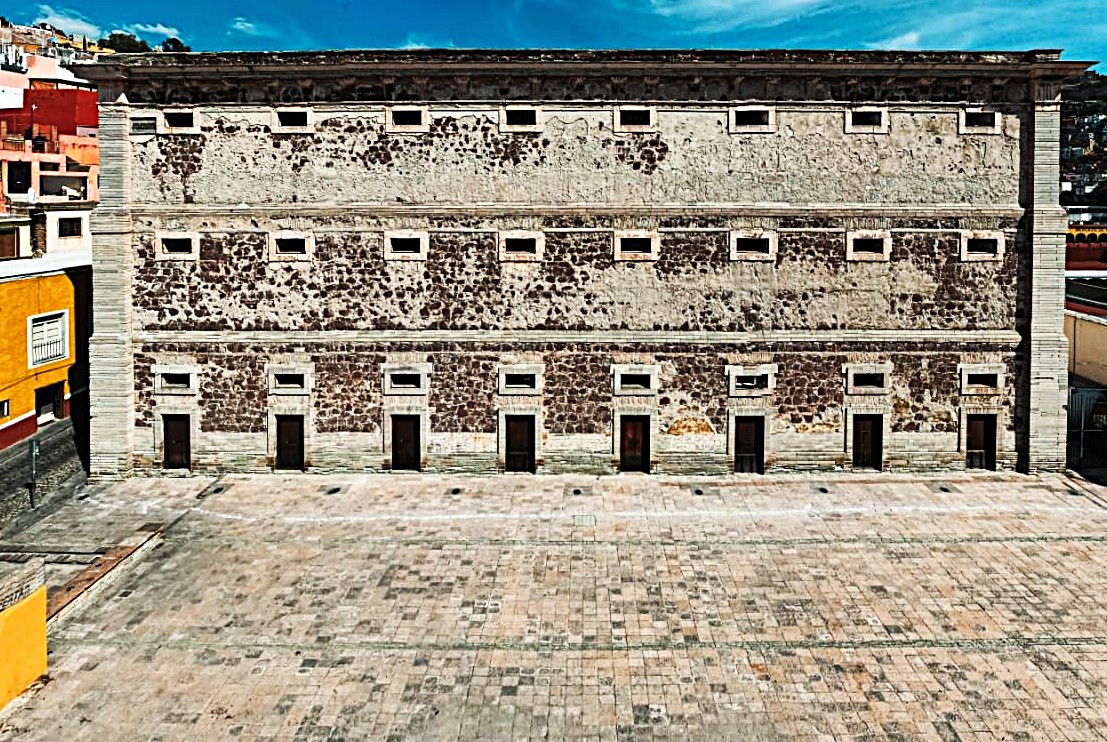
The Regional Museum of Guanajuato (Museo Regional de Guanajuato Alhóndiga de Granaditas) covers the city’s early history and culture.The building it is housed in is a Neoclassic in style and was originally a public granary.
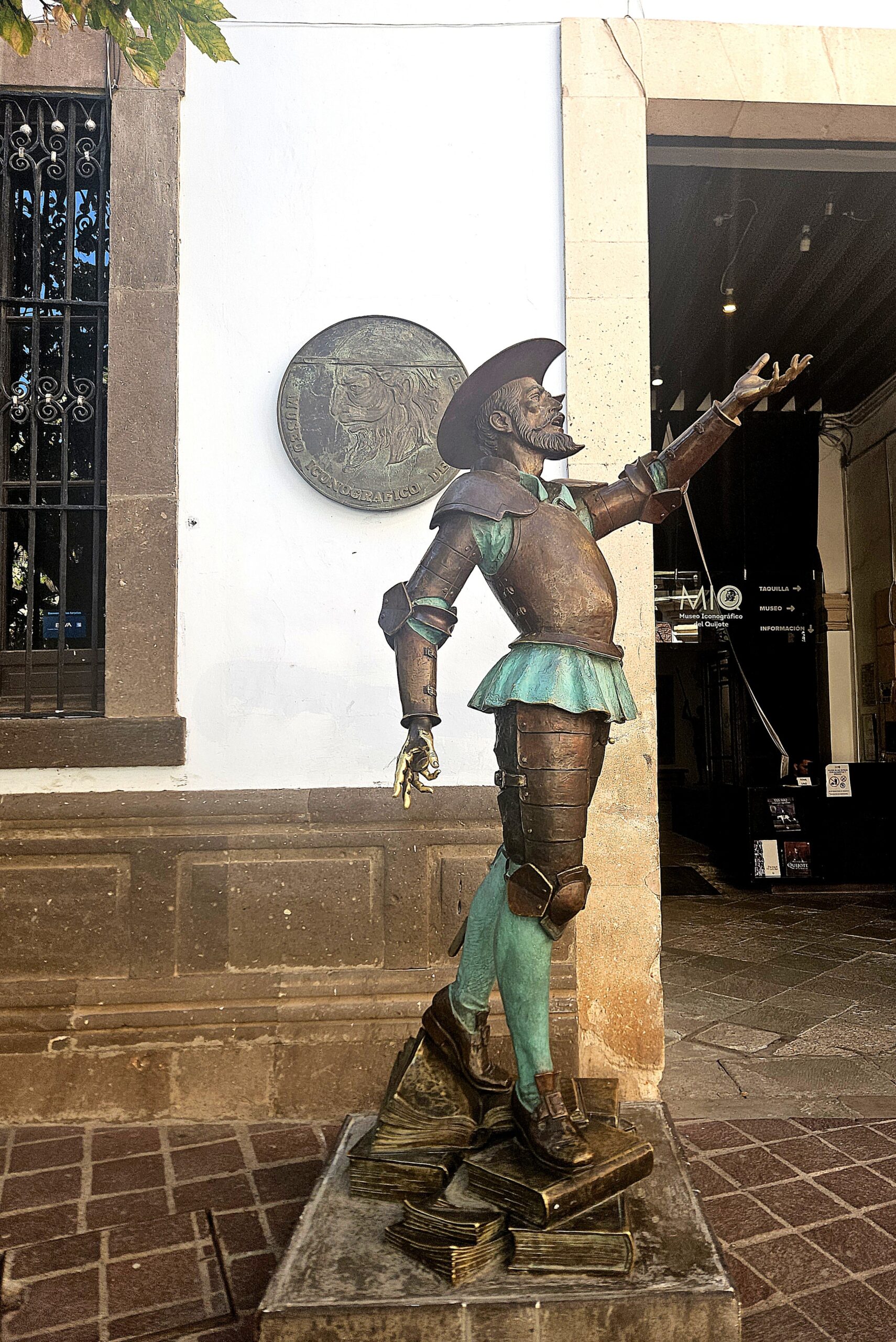 The Iconographic Museum of Don Quixote (Museo Iconográfico del Quijote) features art inspired by Miguel de Cervantes’ classic novel. The museum contains over a thousand pieces of art. Do not miss the Cervantes Event in October
 Calle de Sopeña is a street lined with art galleries, shops, and cafes. It is one of many streets, plazas, and back alleys that attract the adventuresome explorer.
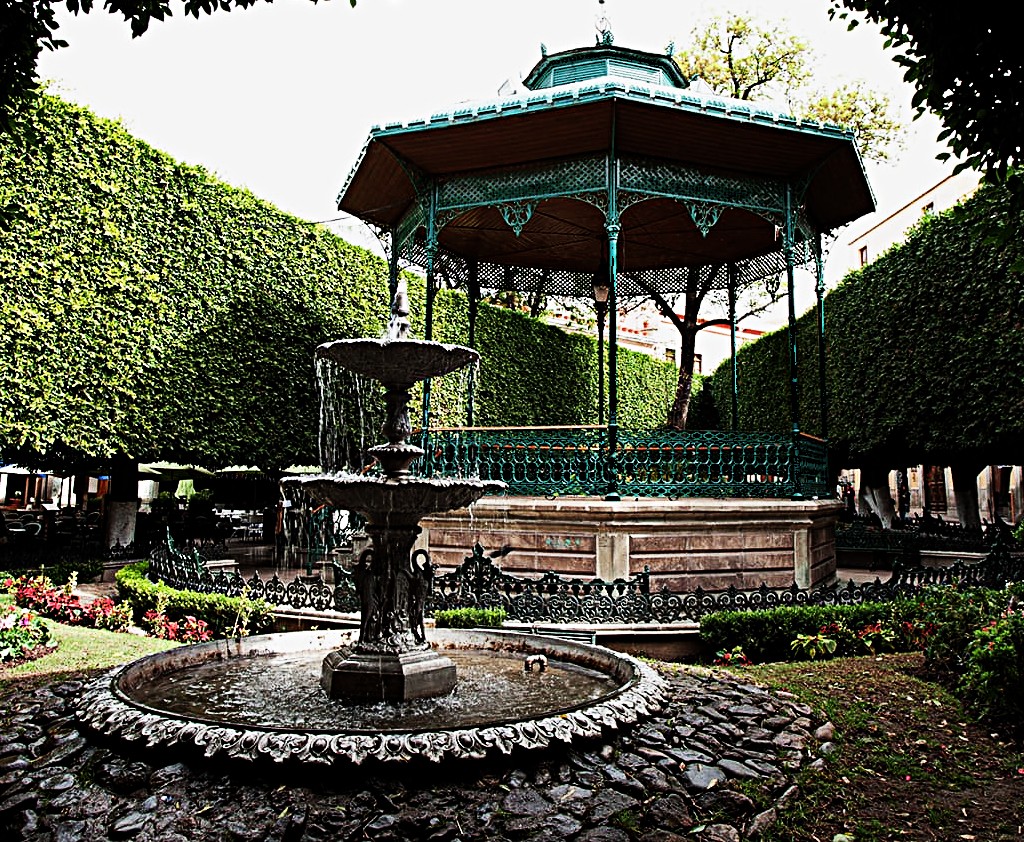
Jardín de la Unión is a central plaza located in the historic heart of Guanajuato with beautiful gardens, cafes with lively music, and street performances.
Calle del Truco is a colorful street with local history and eye-catching architecture. The street is often filled with young people headed to the college on the street.
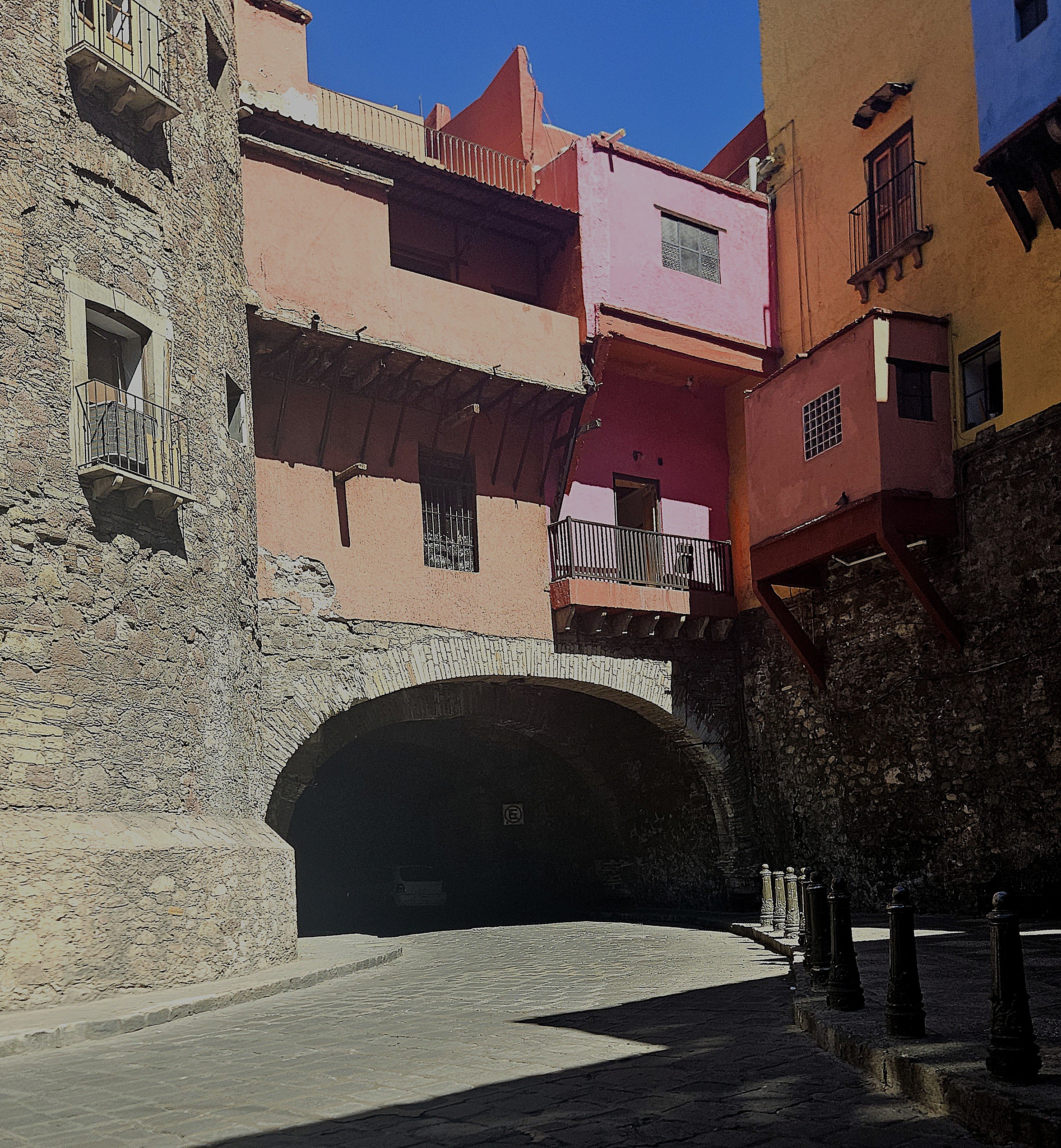 Underground Tunnels: Explore Guanajuato’s underground streets, originally built to divert flooding from “Rio Guanajuato”, now a pedestrian experience with cars and traffic. It may not be the best place to walk because of all the traffic fumes! It serves as the best way to divert traffic from the city center.
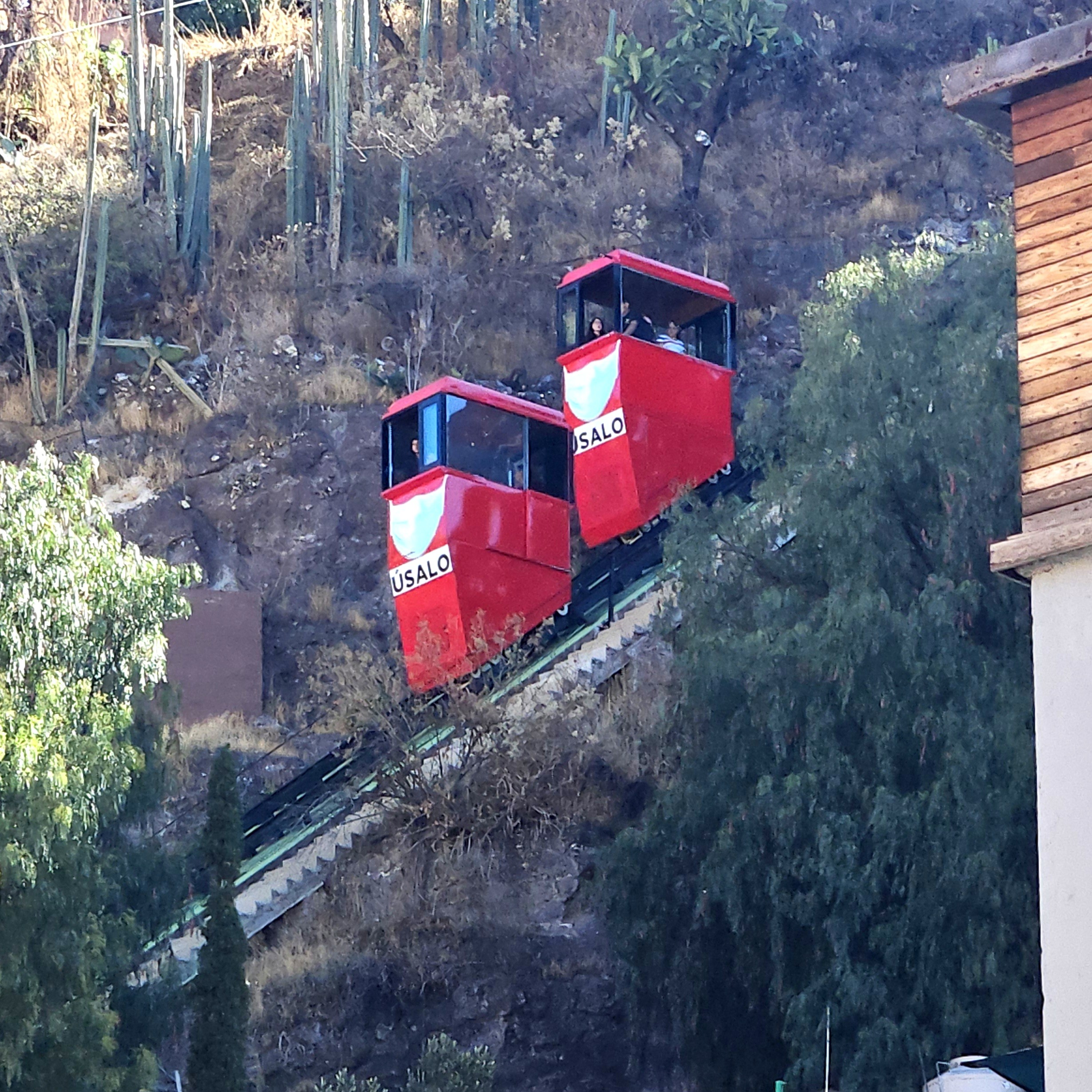
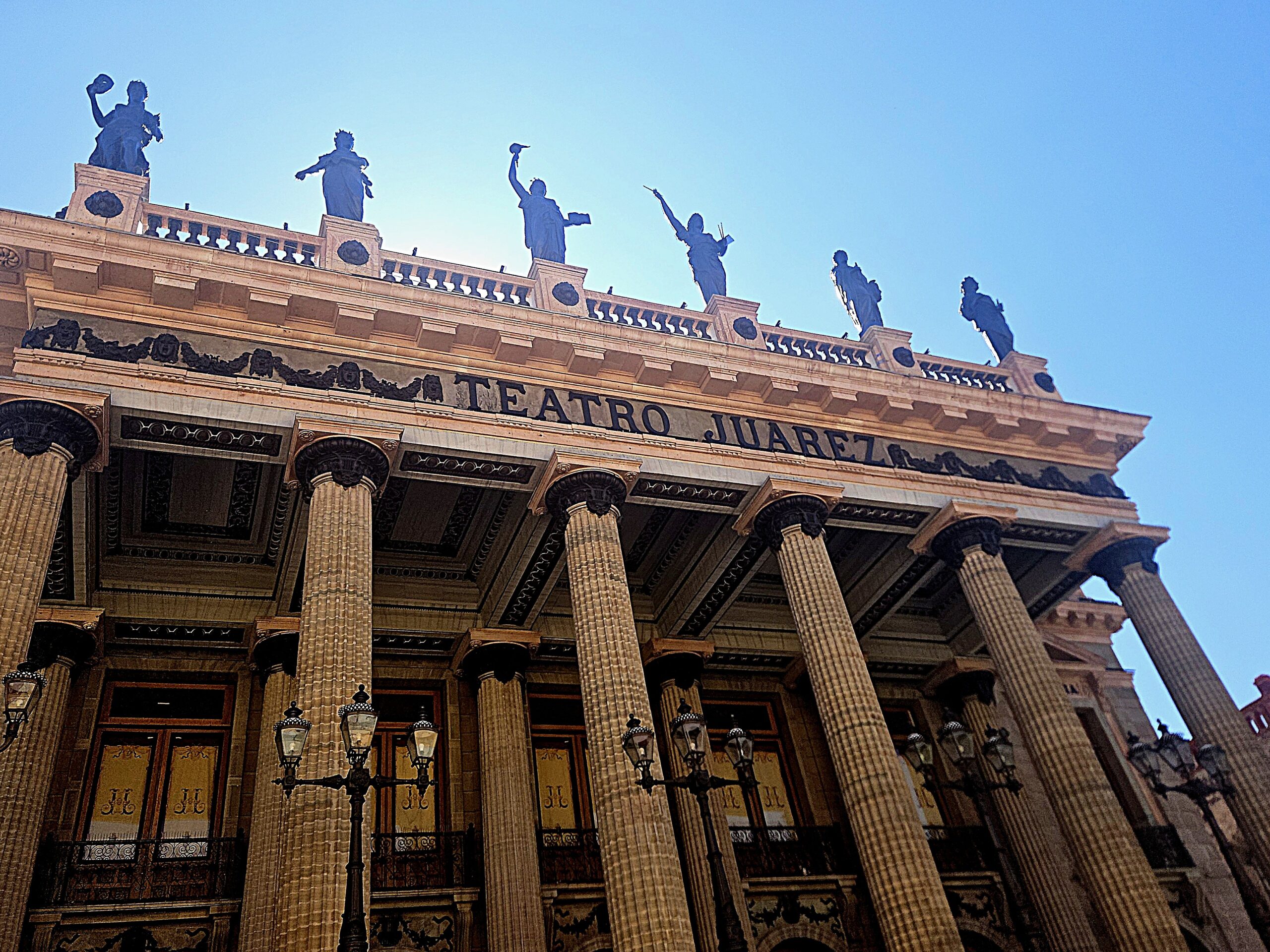
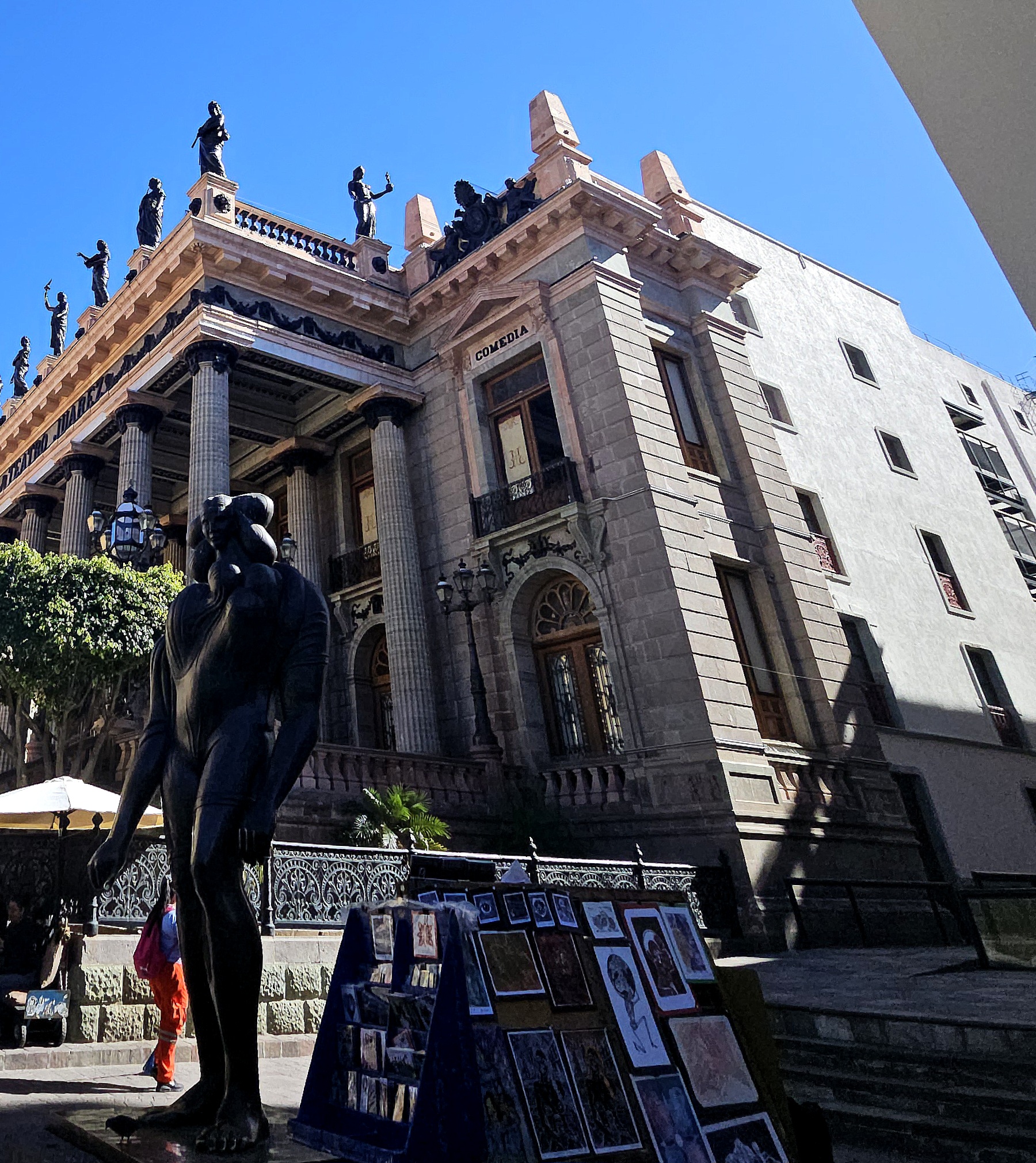 Funicular Panorámico is a train ride to the top of the hills for spectacular views and access to El Pípila monument. Located behind the Teatro Juarez this cable car transfers you to the most breathtaking views of the city. It looks incredible at sunset when the lights come up for the evening. You can take the funicular back or walk down through charming alleyways full of residences and cafes.
The Christ the King Monument (Cristo Rey Statue) is a 22-meter (72 feet) bronze statue, set 2,570 meters (8430 feet) above sea level, offering an unforgettable panorama view of Guanajuato.
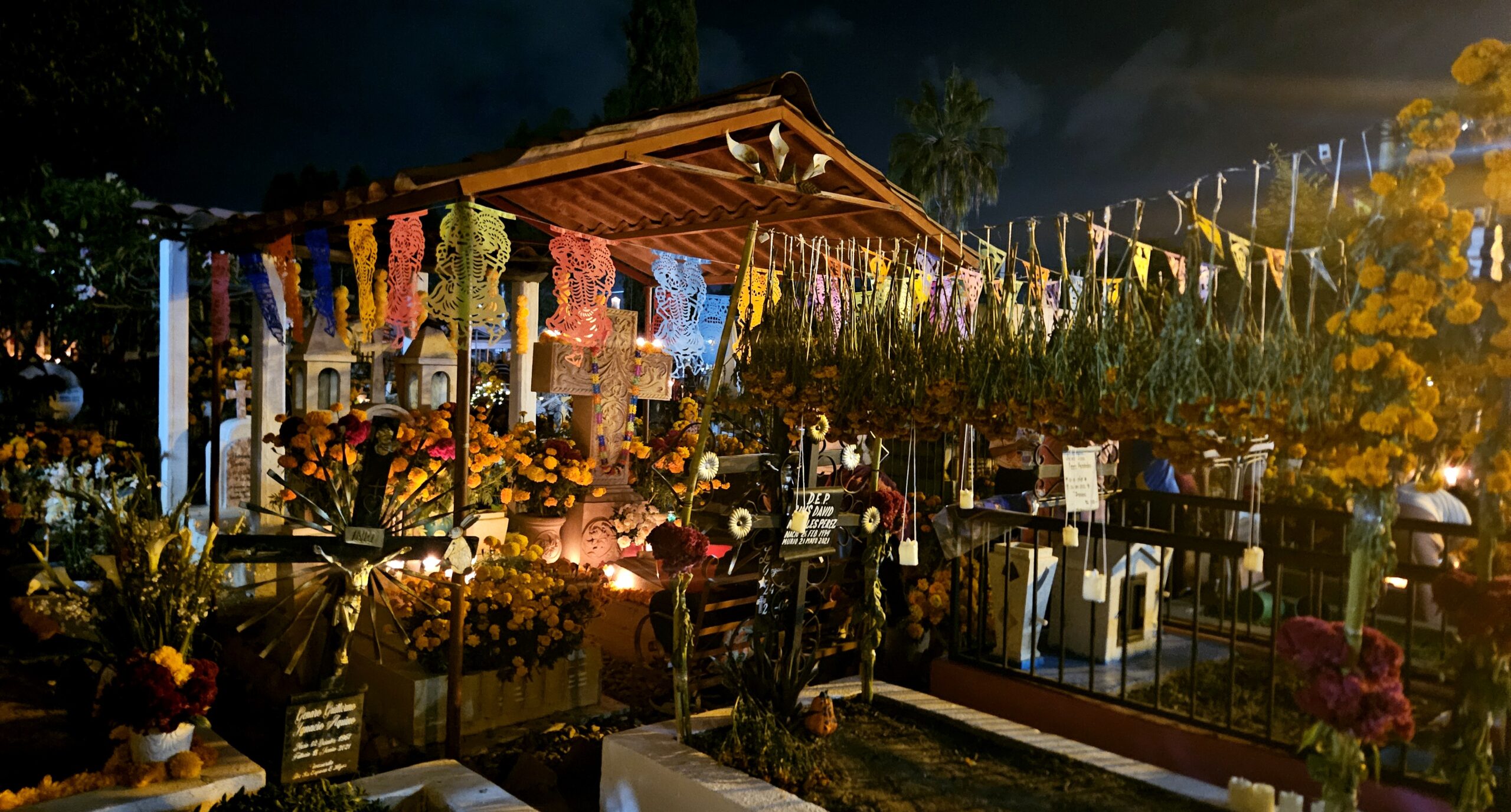 Attend, if you can, the Day of the Dead (Dia De Los Muertos) celebration here at the end of October and the first part of November. The events feature colorful altars to the dead, parades and a festival-like atmosphere. You will not soon forget this magical celebration.
San Miguel de Allende
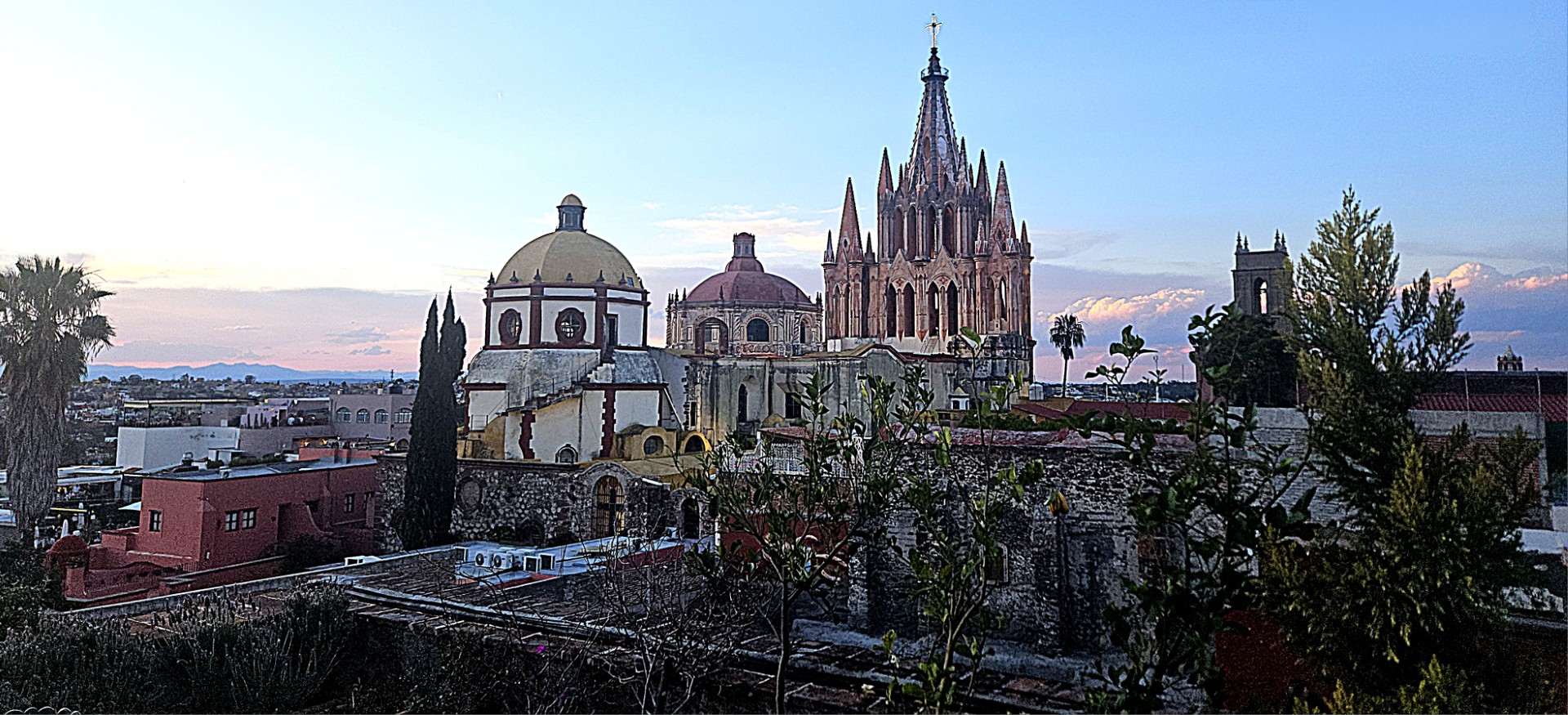
San Miguel, founded in the 16th century, is a beautiful mix of Baroque, Neoclassical, and Neogothic architecture. It is one of Mexico’s most vibrant cultural cities. The city center is a UNESCO World Heritage site. The city is a flourishing center for artists and art galleries and cultural events. Expatriates from all over the world have wisely chosen to live here.
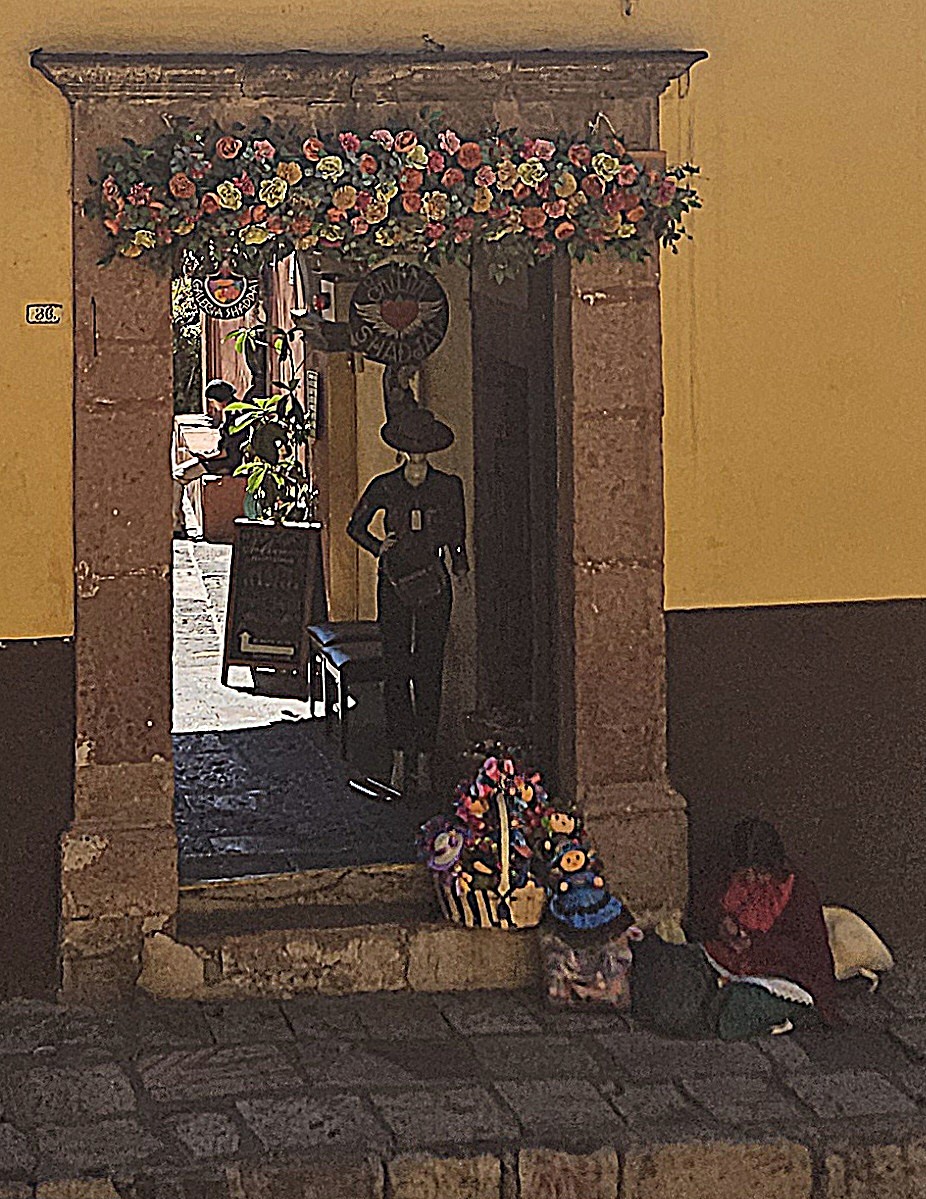
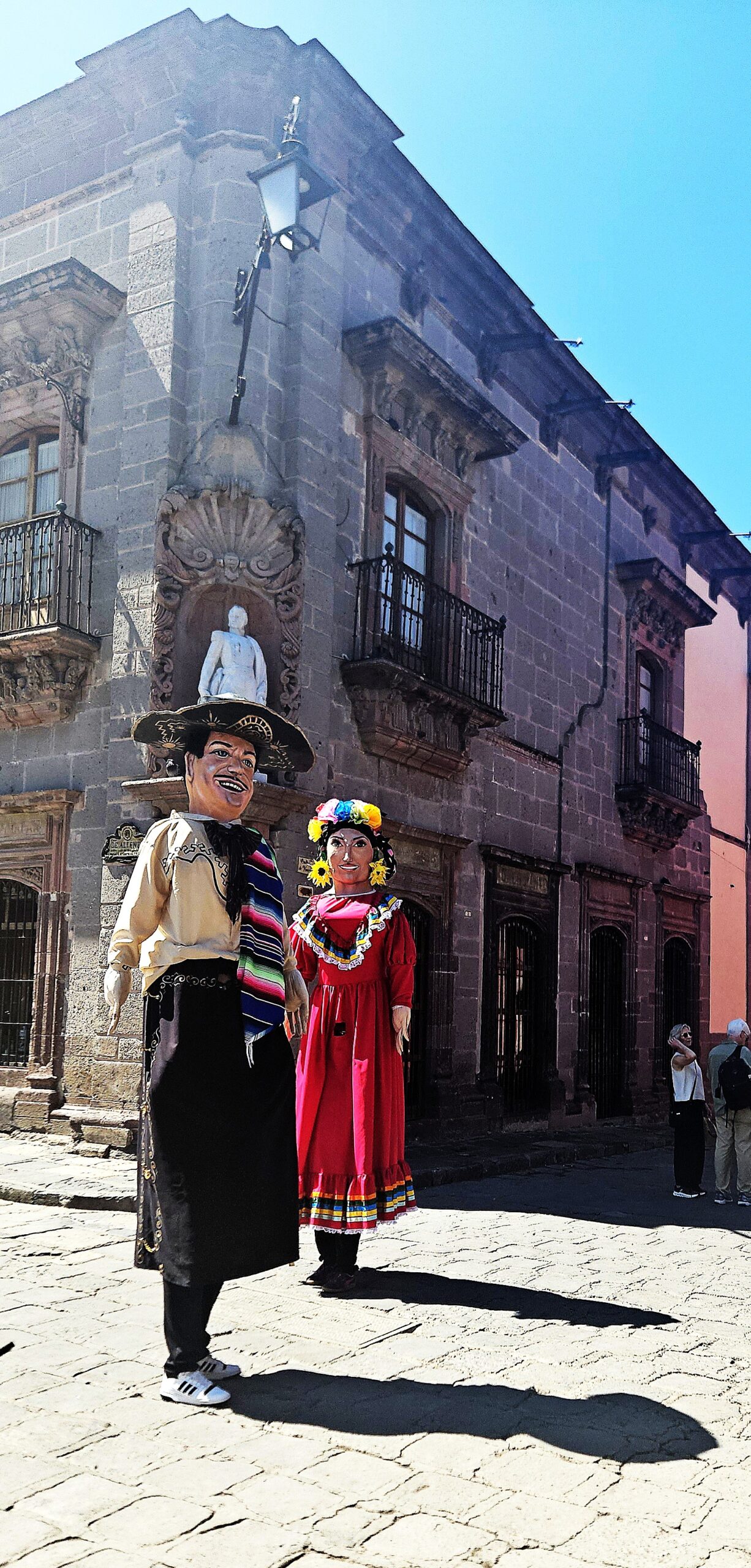 San Miguel is a great city for walking, and walking is really the only way to see the central plaza (The Zocalo). The plaza’s Jardín Allende is a must-see attraction. Here, you can sense the animated energy of the city, see cultural street shows, listen to local music, and observe community celebrations like parades, religious processions or fireworks. There are loads of cozy cafes and great shopping in this plaza. Smaller churches and chapels located on back streets leading to The Zocalo. They are full of emotive art, sculptures and altars.
Some of the best sites are:
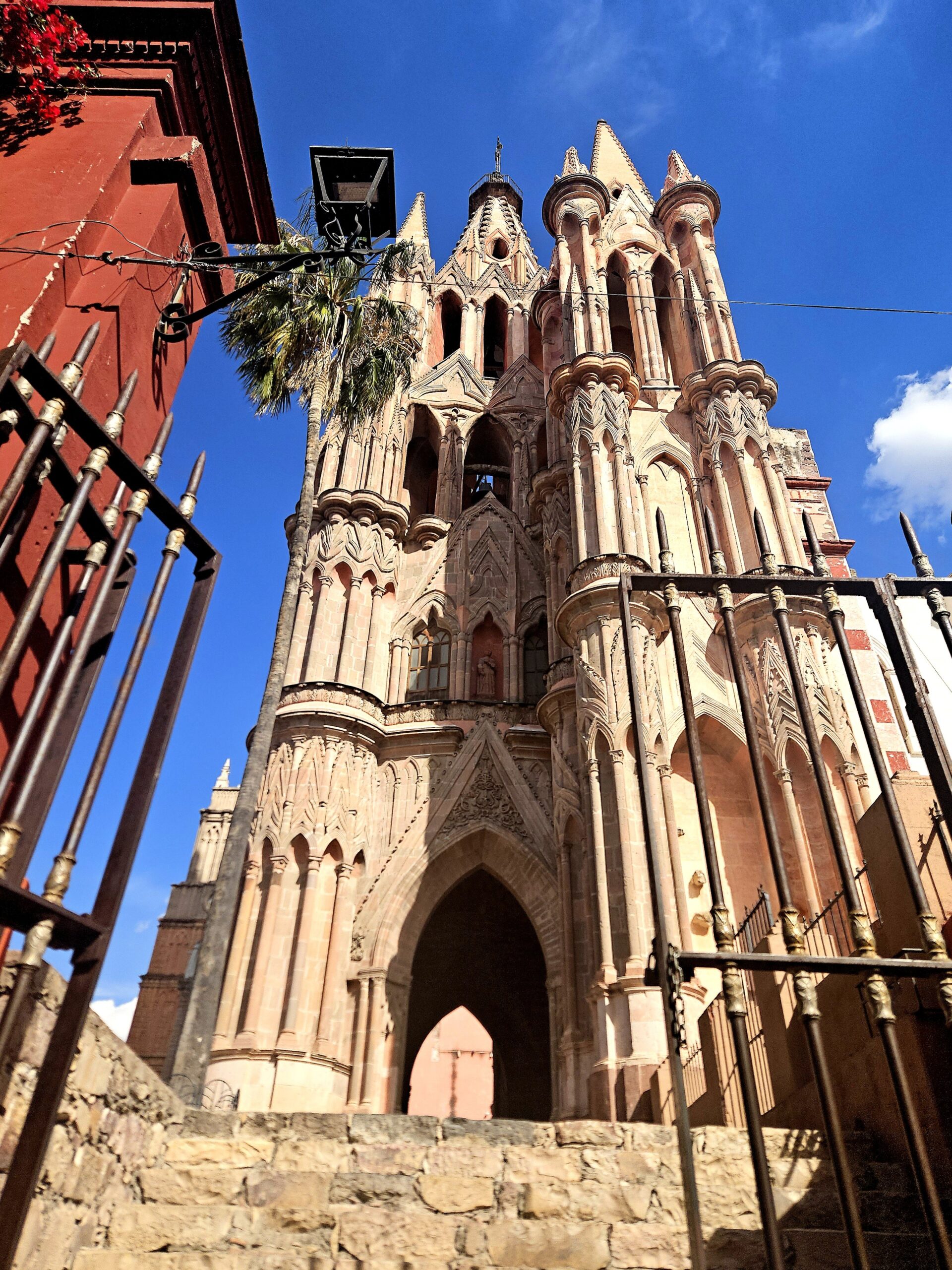
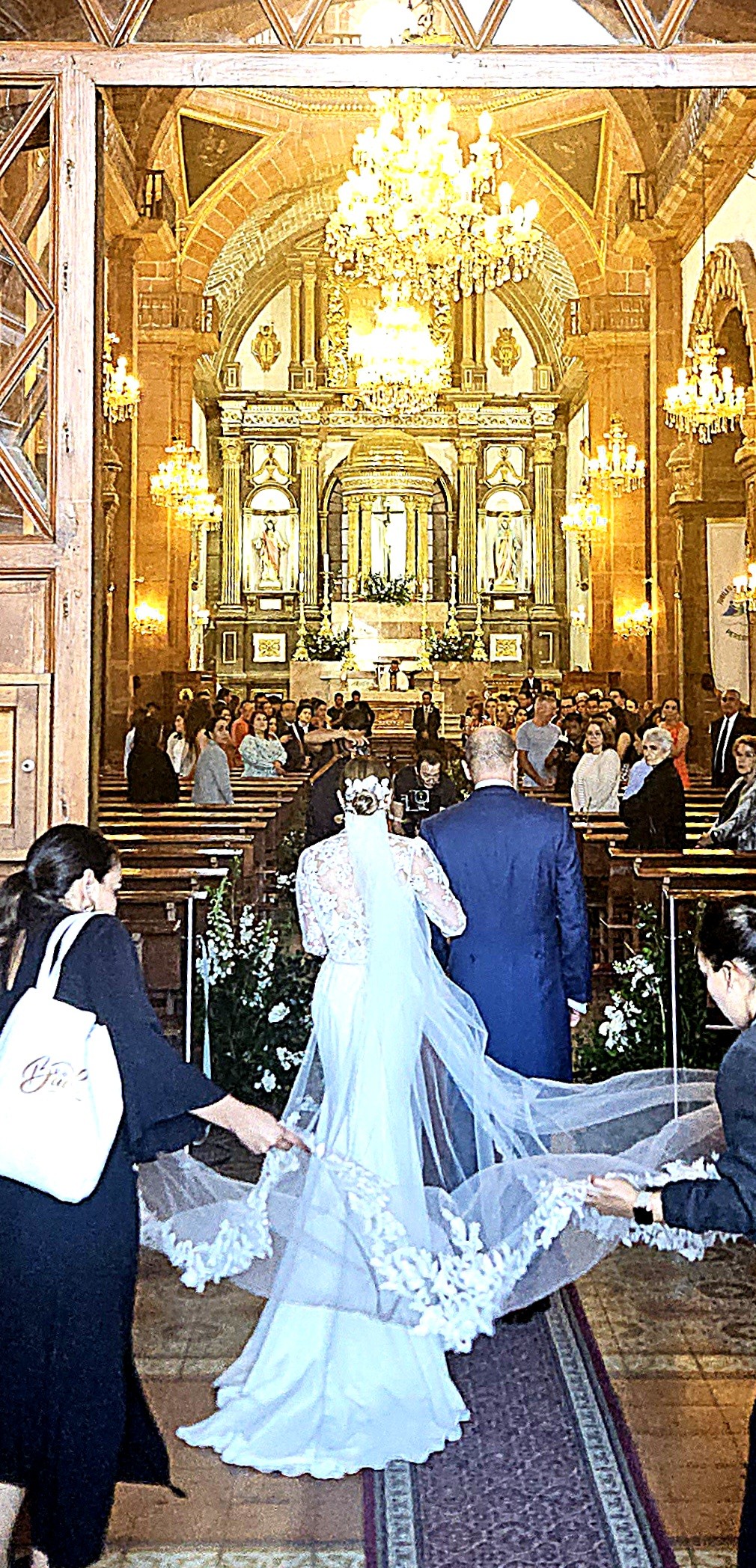 The Parish of San Miguel Arcángel (Parroquia de San Miguel Arcángel) is a stunning pink church with a neo-Gothic style that looms over the historic center. Elegant altars, dramatic paintings and statues line the lavish interior. The building dates back to the 17th century with a façade added in the late 19th century. The façade was inspired by cathedrals in Europe.
  It is the perfect venue for a romantic wedding. We witnessed one on our visit.
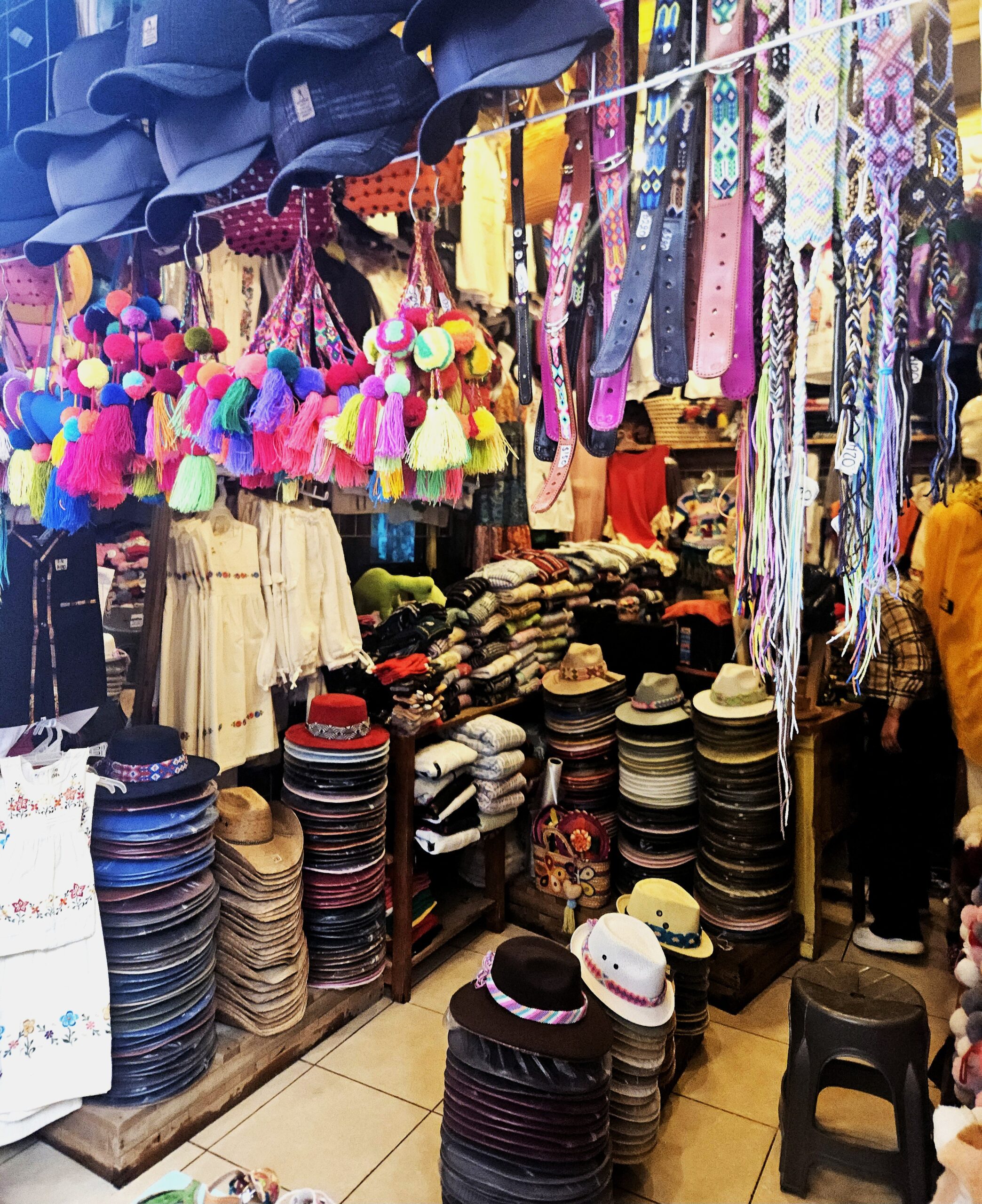
Don’t miss the Crafts Market (Mercado de Artesanías), a lively and vibrant setting where you can find everything from art pieces, hand painted ceramics, embroidered clothing, handbags and jewelry. Do not forget to bargain for the best price!
The House of the De La Canal Estate (Casa del Mayorazgo de la Canal) is an impressive 18th century neoclassical building with baroque features, located close to Jardin de Allende. It is a cultural center of the Banamex bank that offers free exhibitions to the public of decorative items and art.
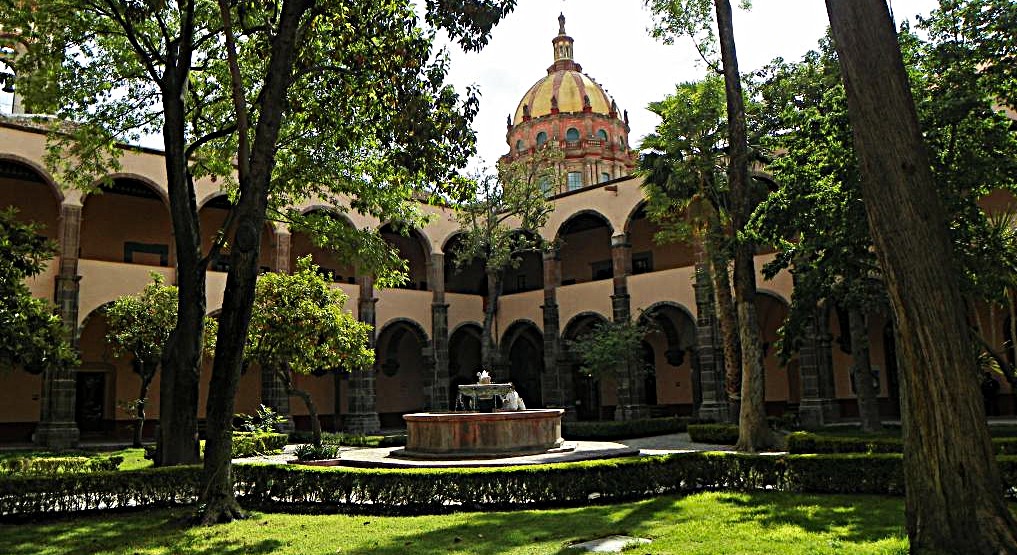
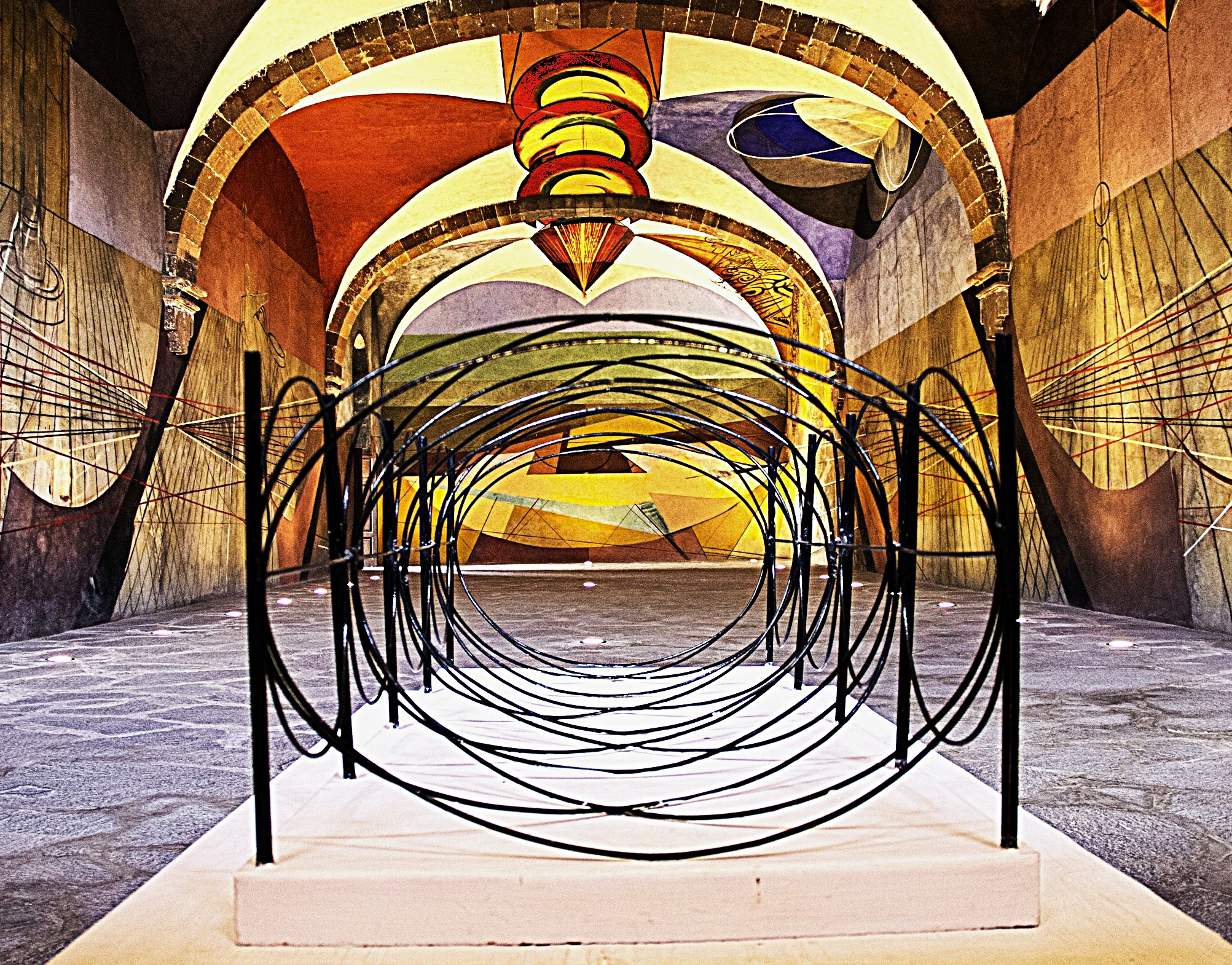 The Ignacio Ramirez Cultural Center (Centro Cultural Ignacio Ramírez El Nigromante, known locally simply as “El Nigromante”) is part of the National Institute of Fine Arts (INBA). The building was built in 1755 as a convent for the “Las Monjas” or nuns of the Conception. It was also a primary school during the 19th century. Later, it was repurposed and became a school of fine arts. It has attracted many famous artists over the years, among them David Alfaro Siqueiros, Eleanor Cohen, and Pedro Martínez, as well as an international following.
  There are murals on the wall “The Fanaticism of the People” by Martinez, “The Washers” by Cohen and “The Life and Work of General Ignacio de Allende” by Siqueiros.
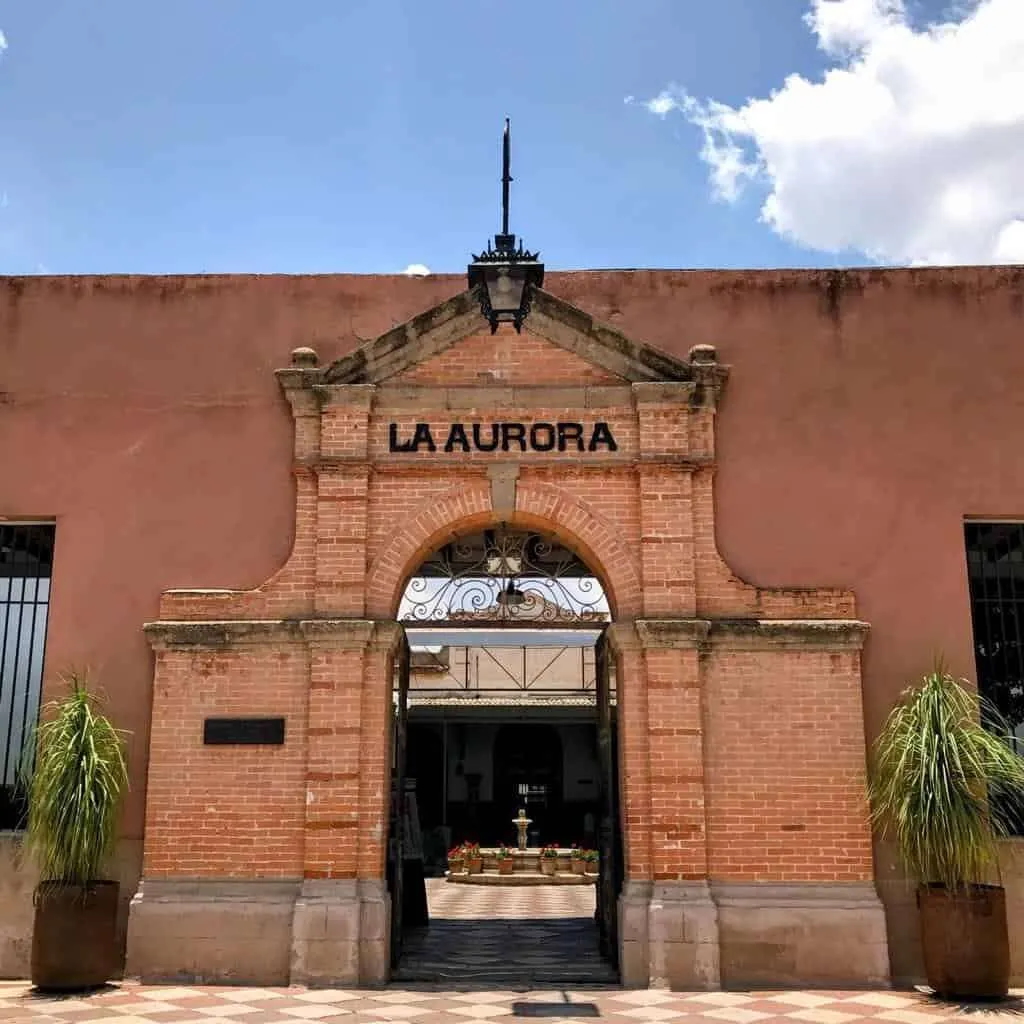
The La Aurora Cultural Center of Art and Design (Fabrica La Aurora) is a former textile factory repurposed into a lively art and design center. It stages art, design, and crafts exhibitions of various artists who live in San Miguel. The center also hosts events and concerts throughout the year. Many of the artists and craftsmen have studios there. There is a wide variety of shopping, antique shops, furniture stores and boutiques selling clothing, handbags and home décor. There are several restaurants too on site.
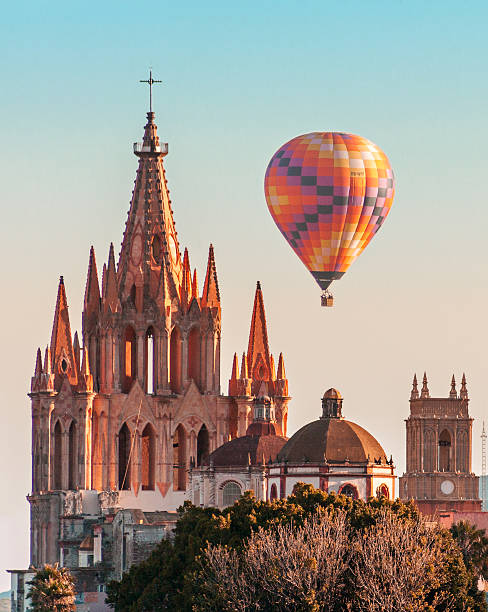
Hot Air Ballooning: Globo San Miguel is a top choice for ballooning over San Miguel. Floating above the colorful city at dawn as the sun rises over the horizon is dazzling – hues of orange, pink and mauve infuse the sky as you float gracefully above the historic city and countryside fields. It is truly an unforgettable experience.
 The Botanical Garden and Nature Reserve (El Charco del Ingenio) features walking trails through a canyon with spring fed pool. Great bird watching opportunities with many examples of Mexican cactus and succulents.
If you want a daytrip out of either San Miguel Allende or Guanajuato, the city of Dolores Hildago is a charming and historical. It played an important role in Mexican independence and you can experience true Mexican culture there.
Guanajuato and San Miguel de Allende are Spanish colonial jewels of Mexico’s central highlands. They are renowned for their 16th through 18th century architecture. The two are amongst the most beautiful of the 36 UNESCO World Heritage Sites in Mexico.