
 For many Americans, Mexico City is closer than Europe and just as unique and historical. Mexico City, or Ciudad de México (CDMX), is the largest city in North America and, with a population of over 20 million people, the fifth largest city in the world.
  This vibrant metropolis is set in a valley in the high Mexican central plateau, about 2,240 meters (7,350 feet) above sea level. It is a city of contrasts that mingles mysterious Aztec history, Spanish Colonial design, and a cutting-edge contemporary culture. It is a must-see destination for travelers with its stylish hotels, large public parks, sophisticated restaurants and shopping spaces. The capital city of Mexico offers a fusion of history, culture and cuisine that draws millions of visitors each year. From the country’s architectural treasures to delectable street food to world-class museums housing pre-Columbian treasures to more contemporary art, this city will leave you breathless and coming back for more.
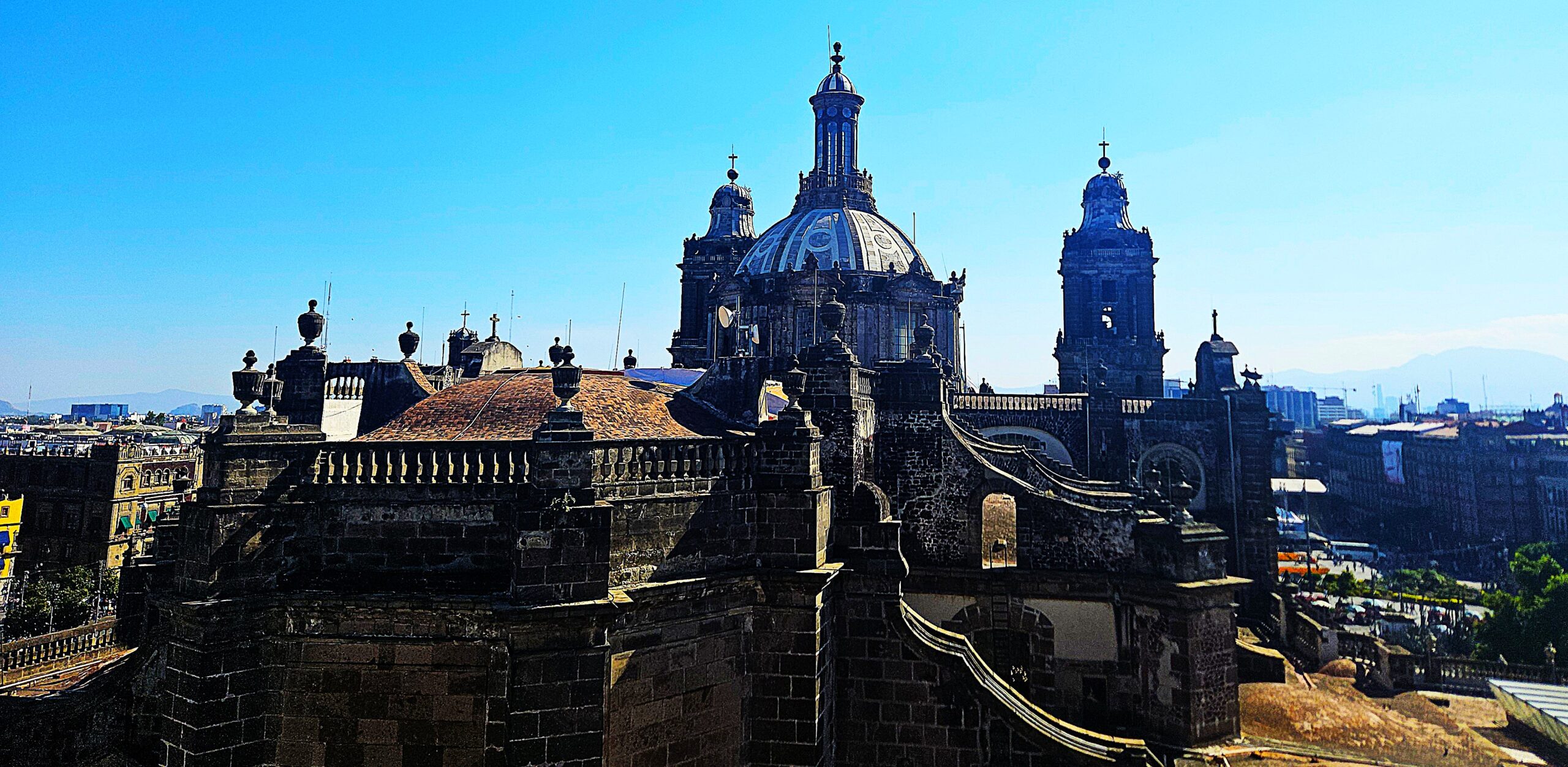
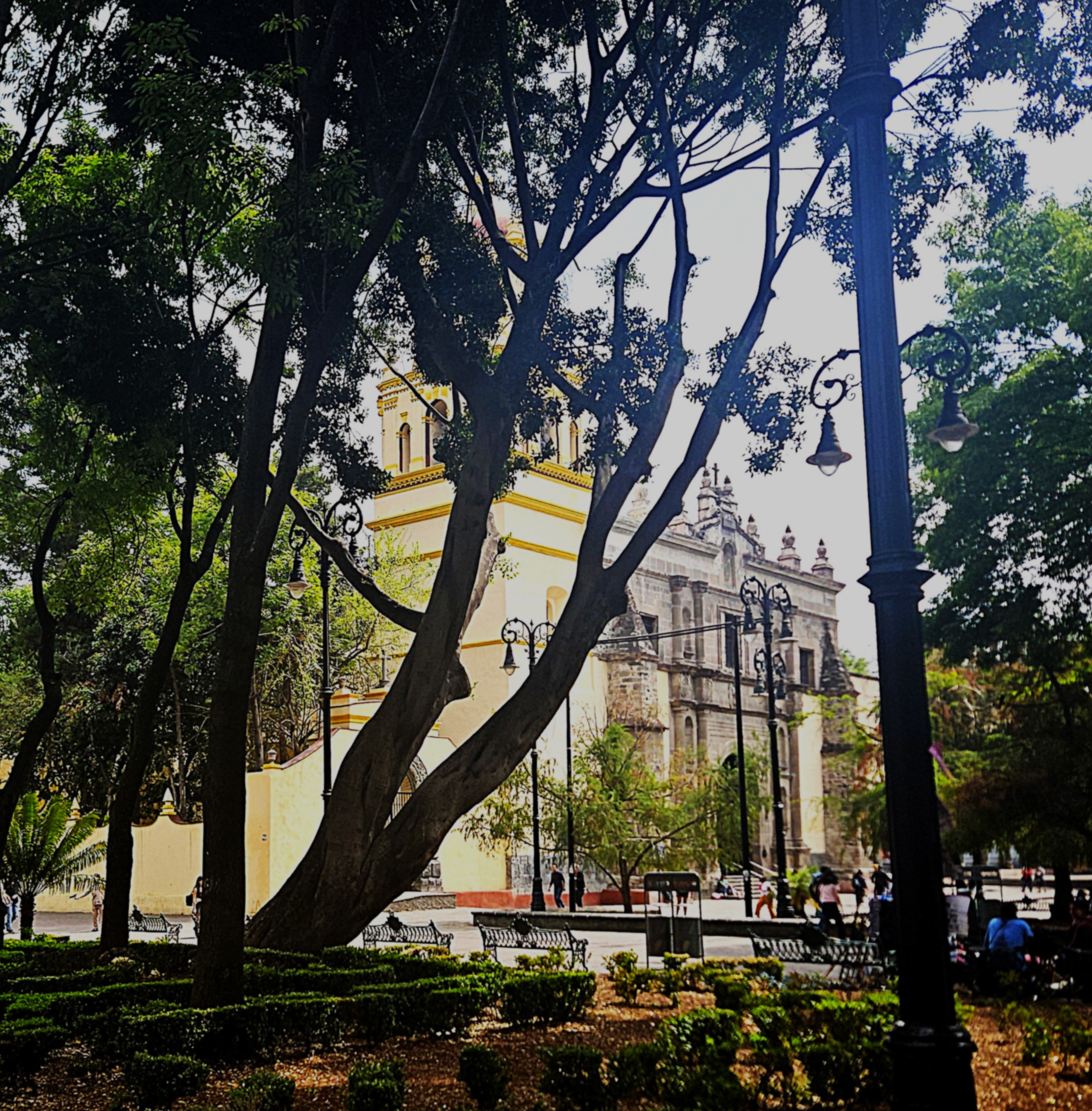 There is so much to see here. The neighborhoods and key sights are spread way out between streets teeming with traffic and pedestrians. We found the best way to get around the city and make the most of our time was by private driver or by Uber. Be prepared to sit in traffic and plan accordingly. Our favorite neighborhoods are Coyoacan, Roma, Condesa, and Centro Historico, also called the Zocalo, Mexico City’s downtown historic area. We have stayed twice on the square in Centro Historico and once in Coyoacan. The beautiful Zocalo overlooking the Cathedral was crammed with locals and tourists. Coyoacan was a personal favorite as it full of trees and much quieter. The main plaza is lined with great cafes and a view of the Parroquia San Juan Bautista, a stunning 16th century Baroque church and convent. Give yourself some time to immerse yourself in this city’s pace of life.
Some of our favorite highlights are:
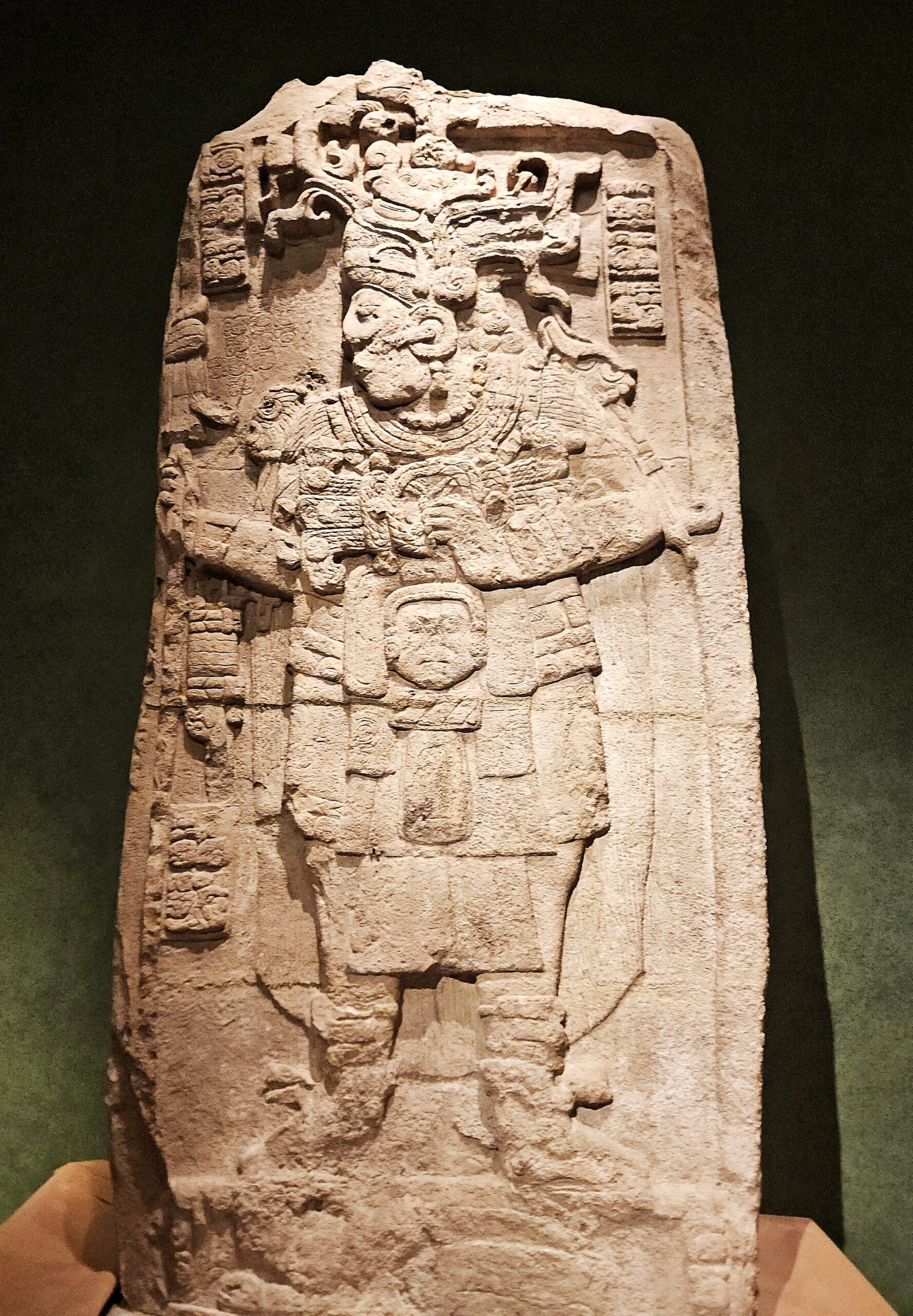
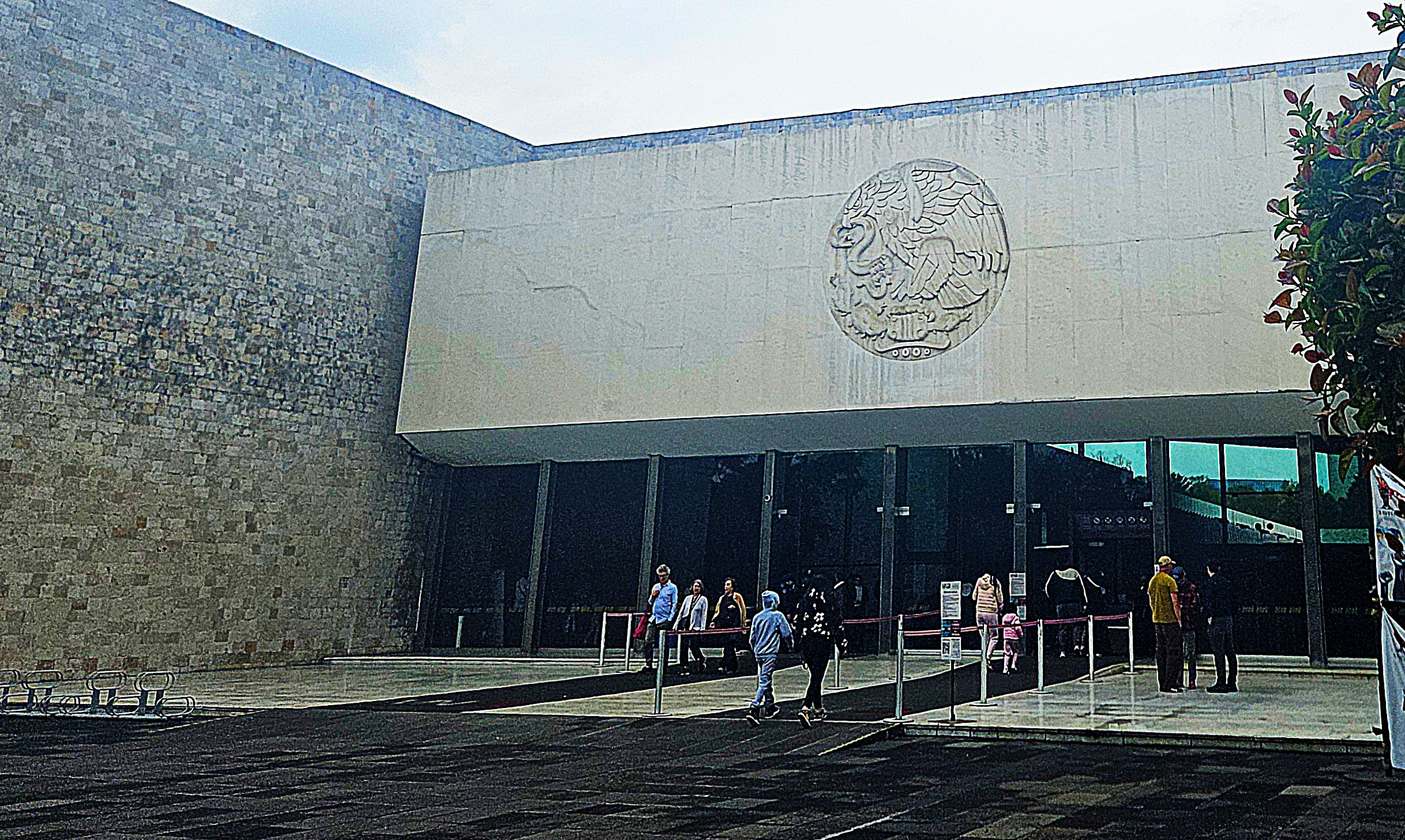
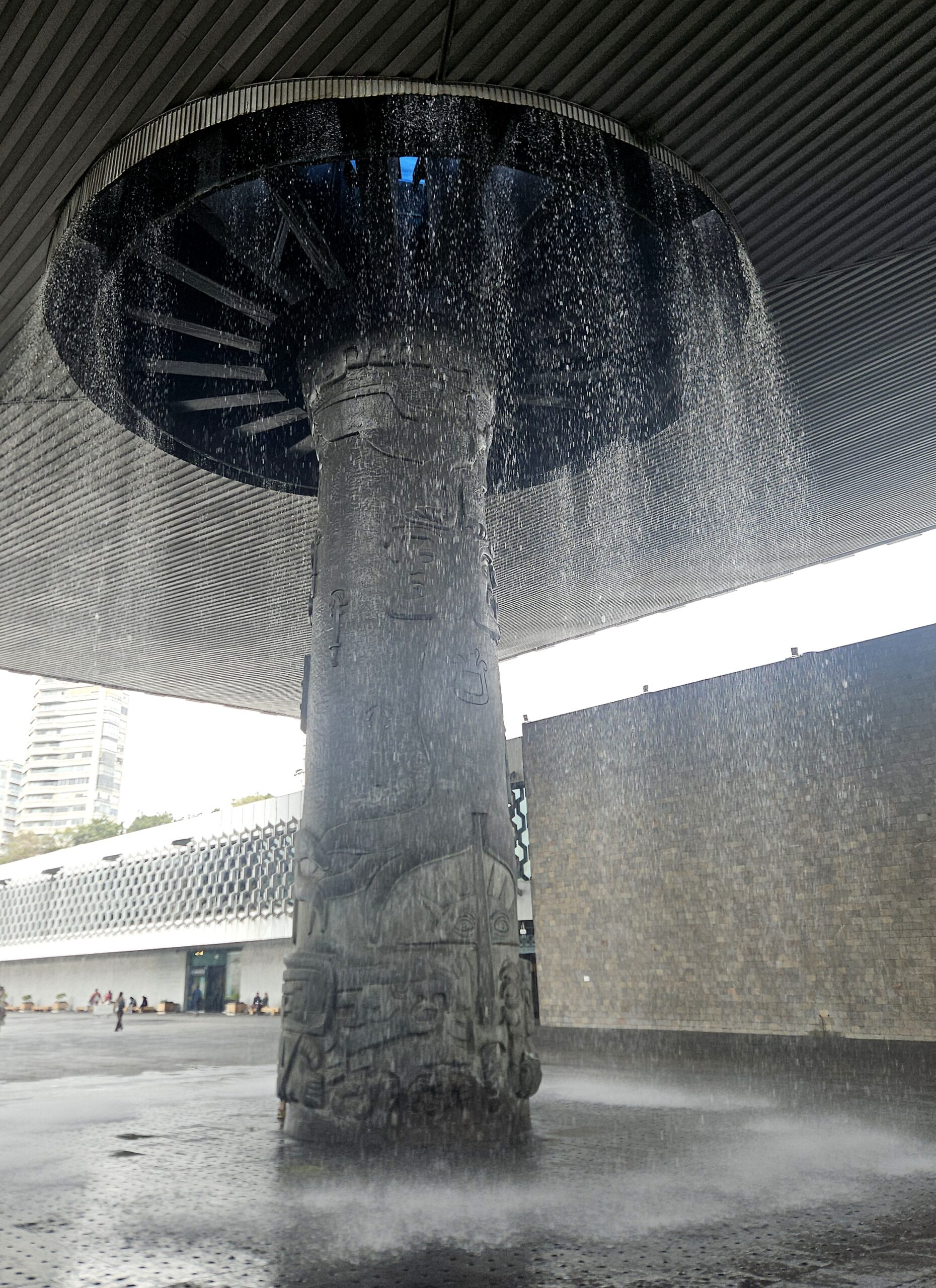
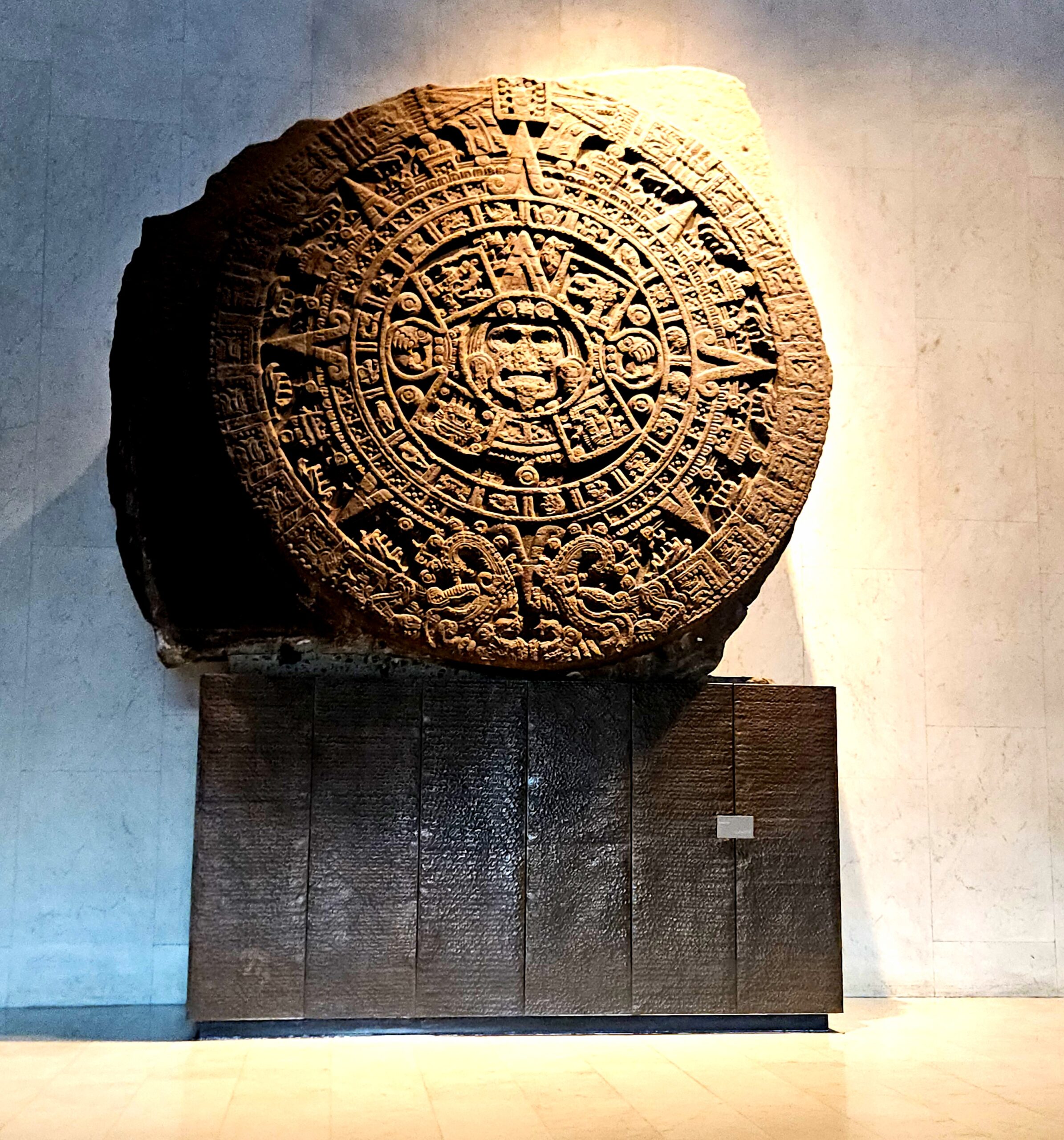 The Museo Nacional de Antropología, one of the best museums of history and culture in the world opened in 1964 on the outskirts of Chapultepec Park. It specializes in ancient to pre-Columbian artworks.
 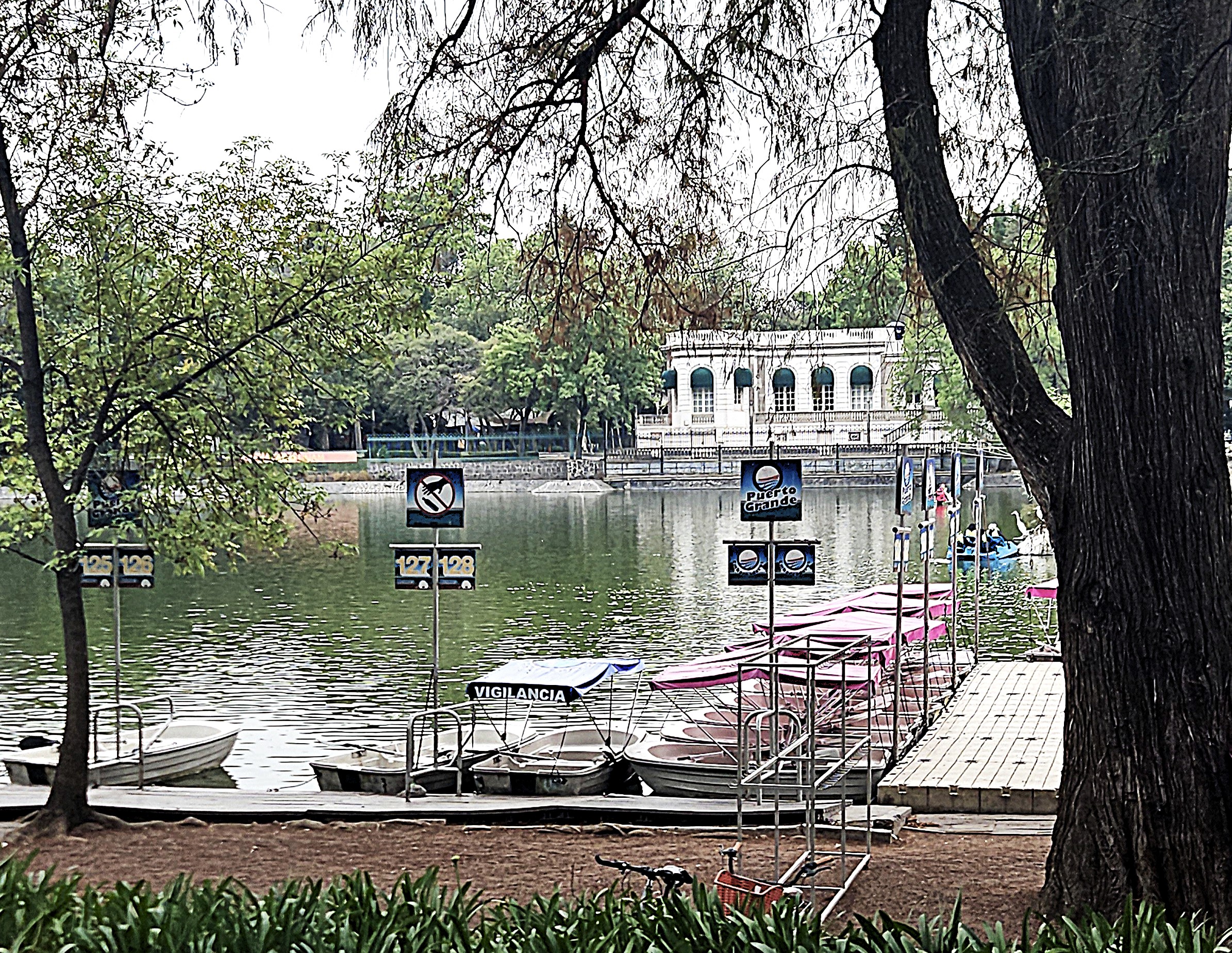 Arrive before opening time to avoid the surge of crowds later in the day. Across the street is the large, beautiful park, a refuge of trees and nature on the outskirts of the Condesa neighborhood. One of the highlights of this park is Chapultepec Castle, well-worth touring with its elegant staterooms and panoramic view from the terrace of the Paseo de la Reforma. There are bikes you can rent to ride along the trails in this park, but it is also very walkable. Rowboats and pedalos are available to rent on Chapultepec Lake. A day at the museum and the park with dinner in the Condesa neighborhood is a pleasant way to spend an entire day.
The Zocalo
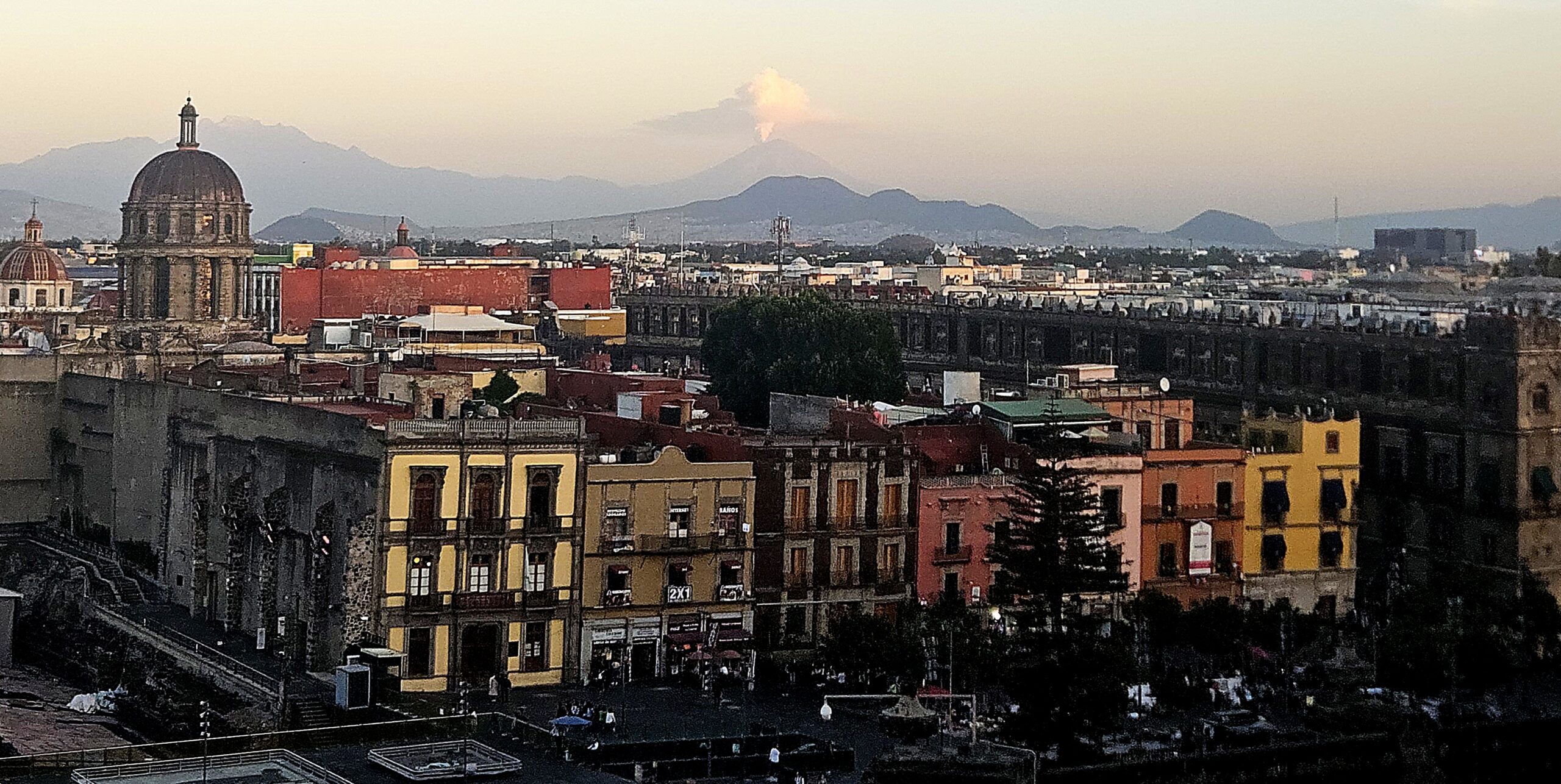
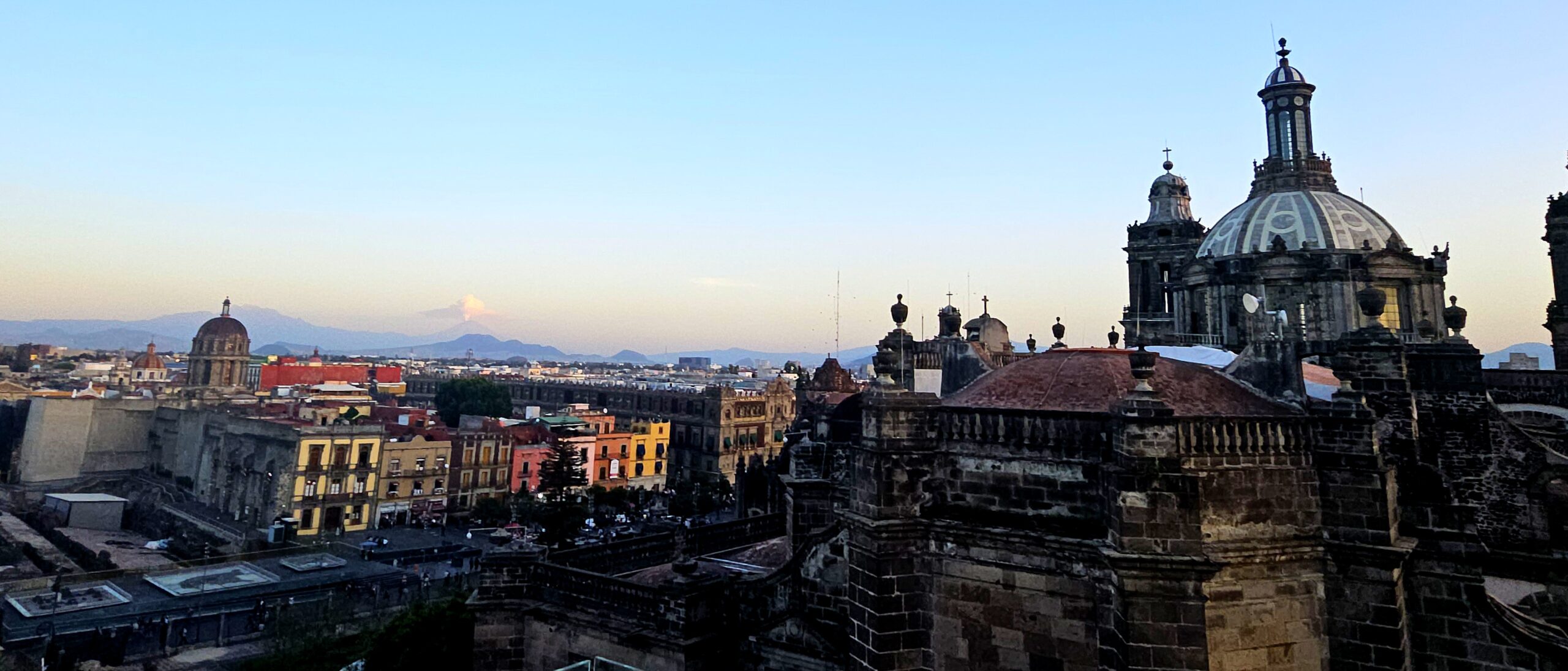
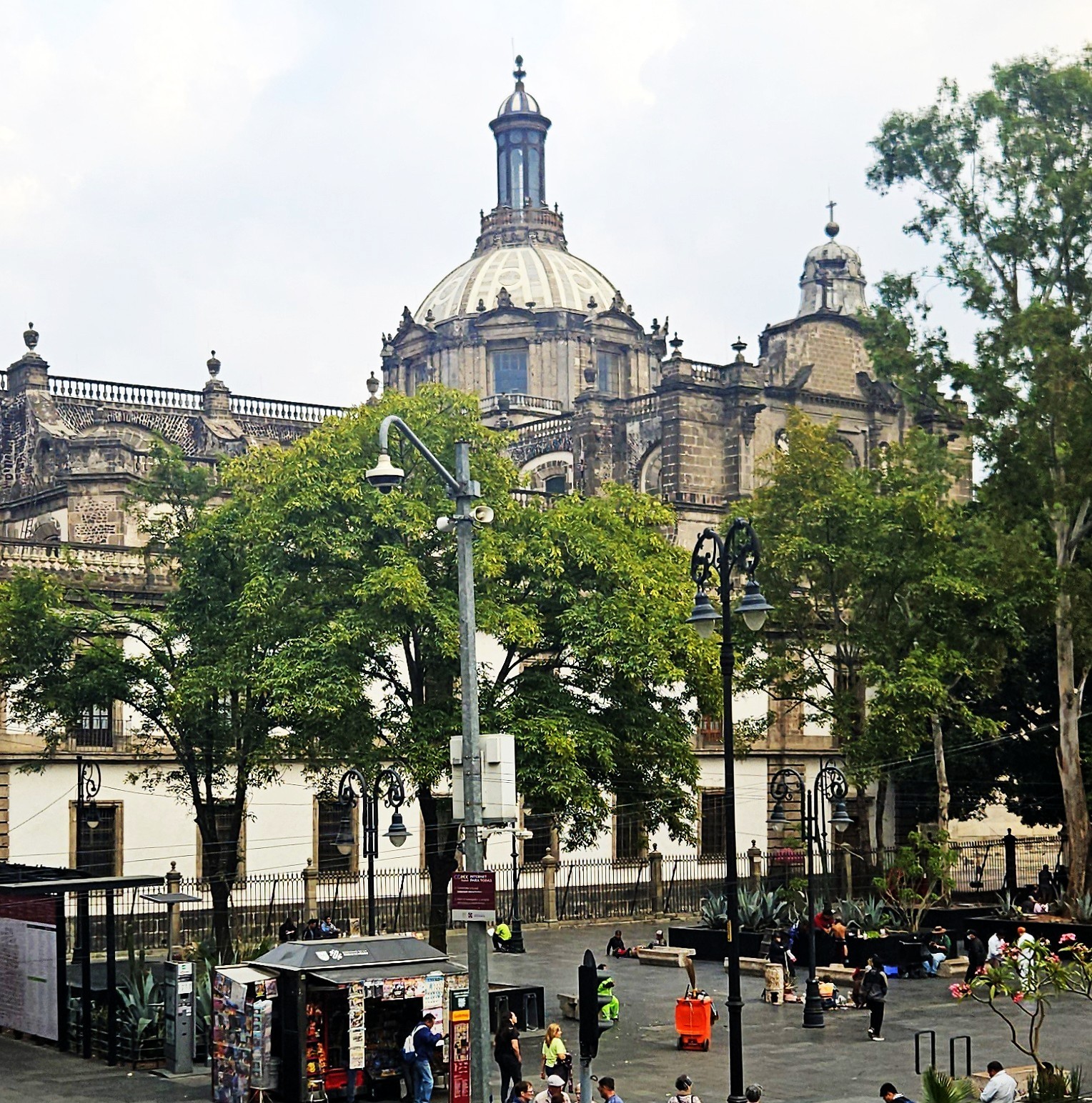 Built over the ceremonial core of the Aztec Tenochititlan (“city state”), this plaza is bustling with cultural events ceremonies and some political protests.Set aside a few hours to visit the sites of the Catedral Metropolitana and Templo Mayor, which lies behind the cathedral. Archaeologists believe the Templo Mayor is the site of the chief temple of the Aztecs. It is a ruin today, but still worth a look. The on-site museum is a great place to experience the historical past. We enjoyed watching the “Aztec dancers’ and stayed twice in two different accommodations (see a room with a view for details).
Casa Azul or the Blue House
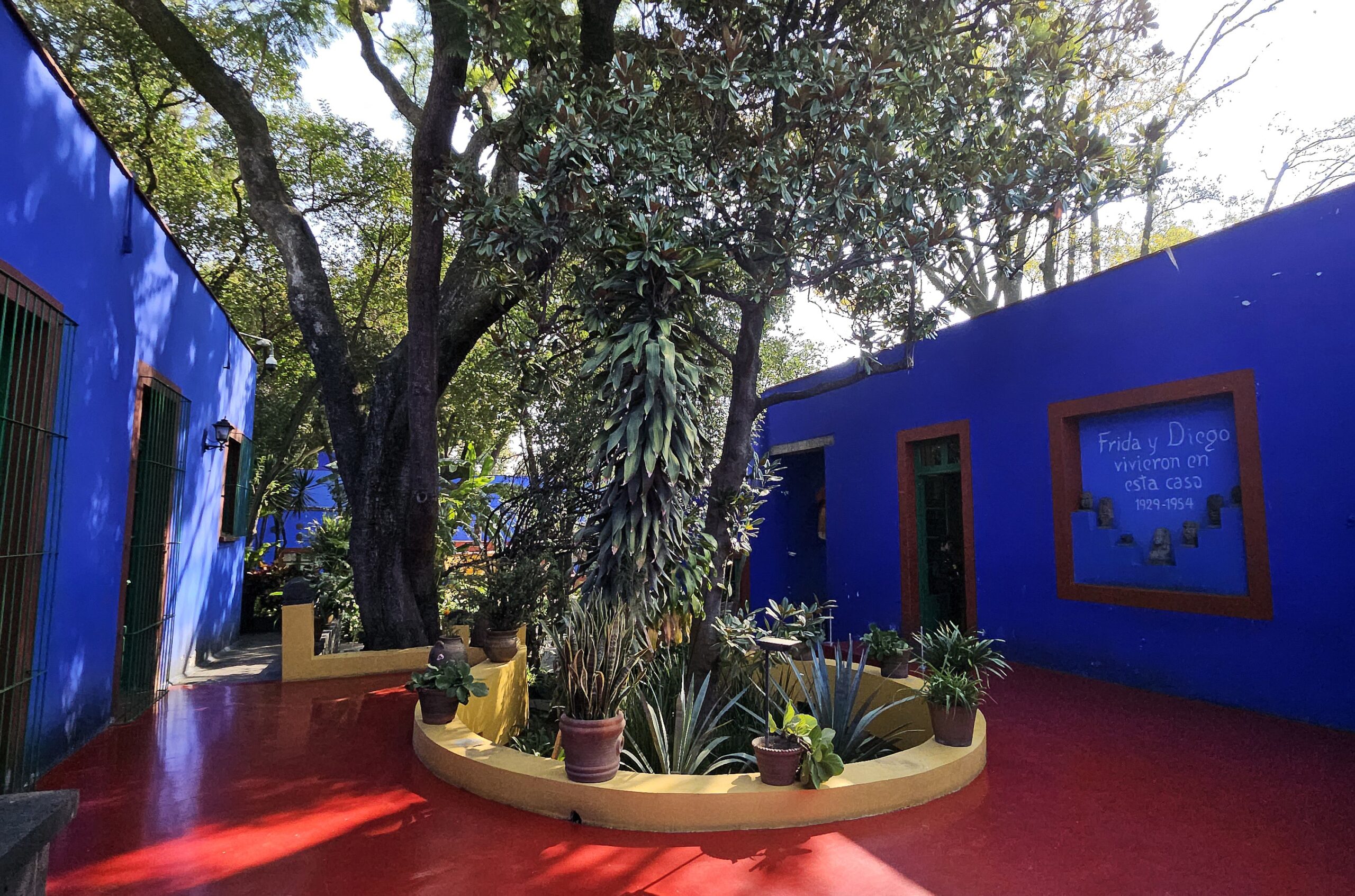
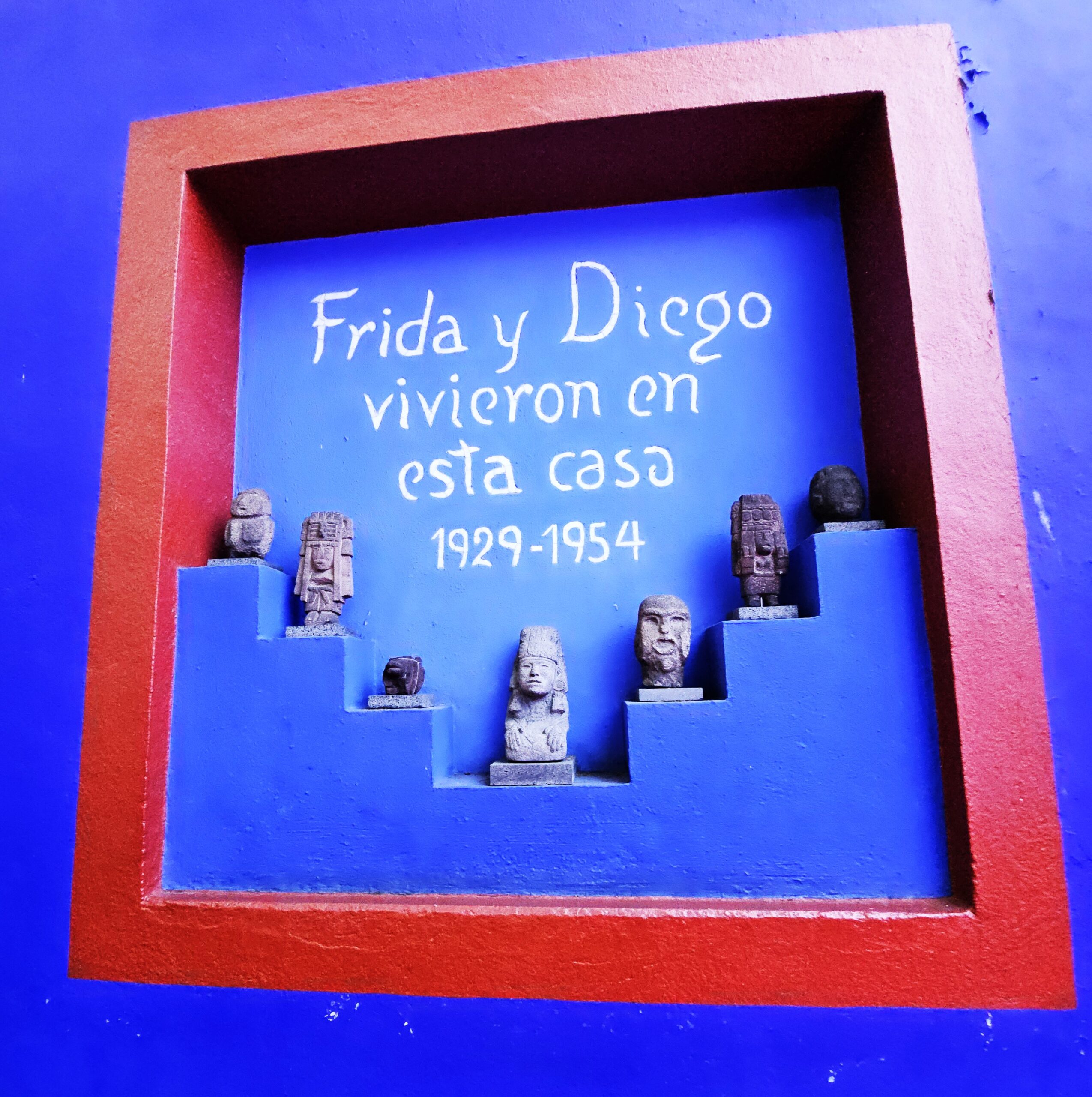
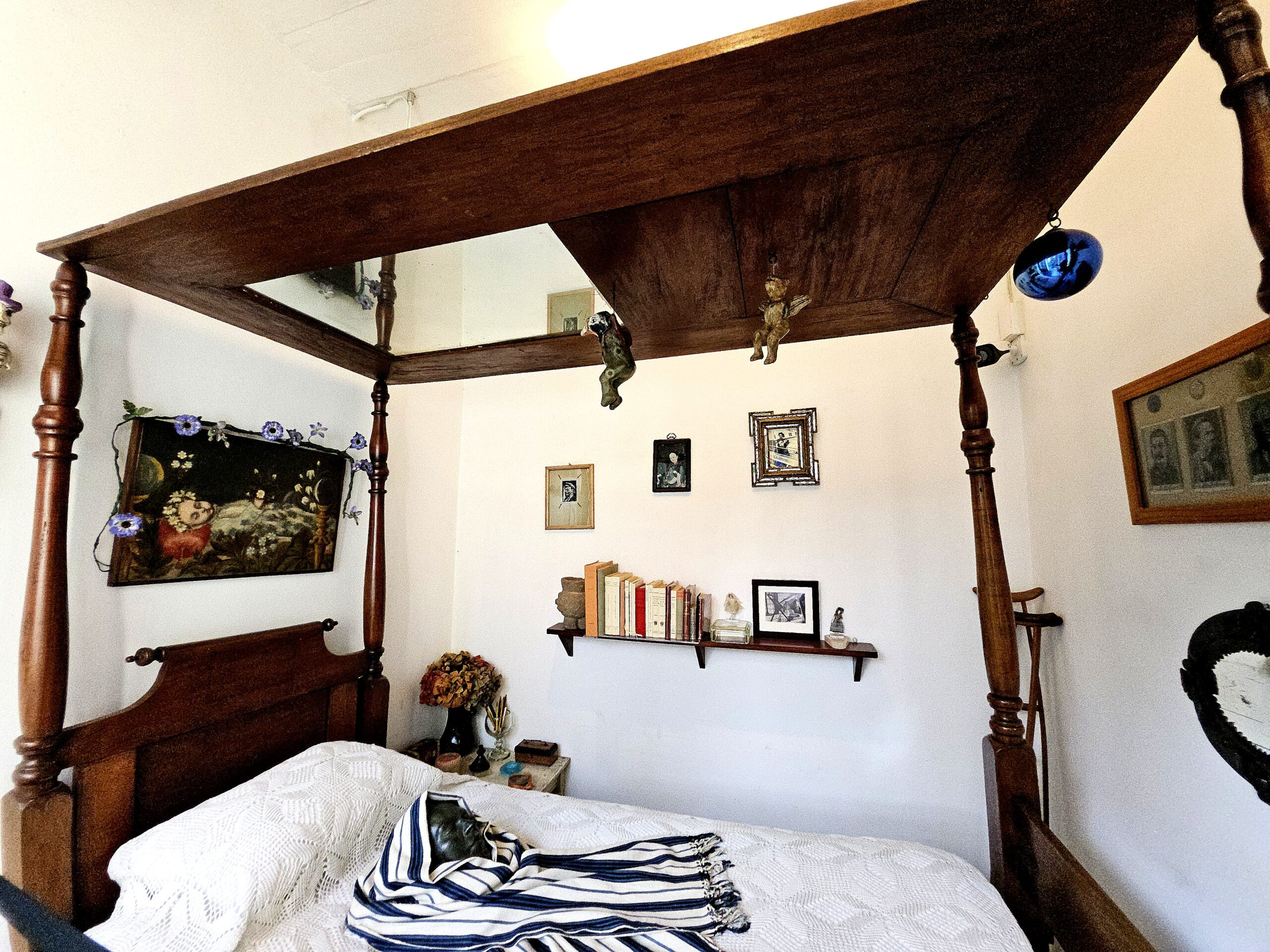 The Frida Kahlo Museum is perhaps the most popular one in Mexico City. Kahlo was born and raised in this vivid-blue building, and lived with her husband, painter Diego Rivera, until her death in 1954. Booking online in advance is very important, as only small groups of people are allowed in at a time and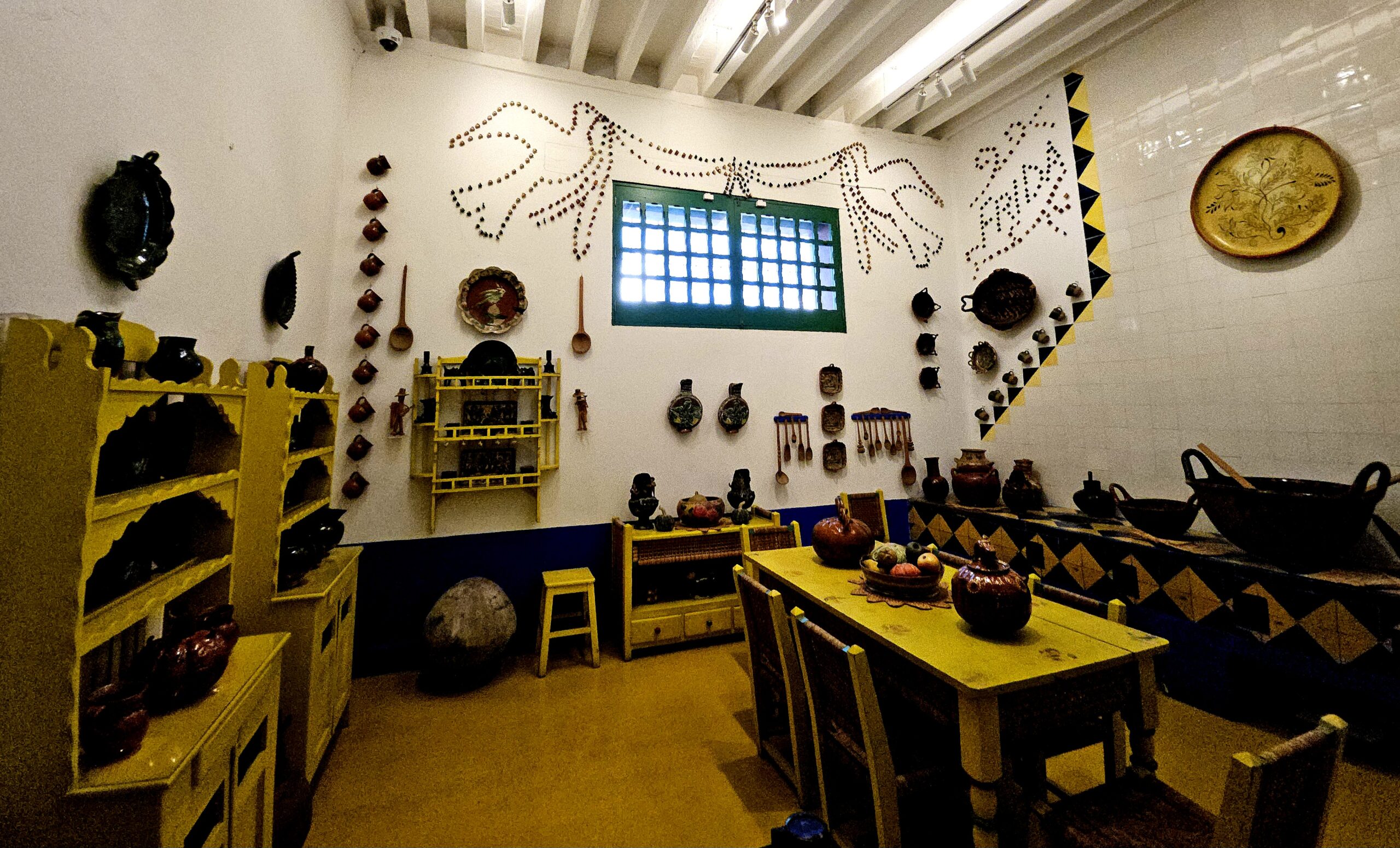
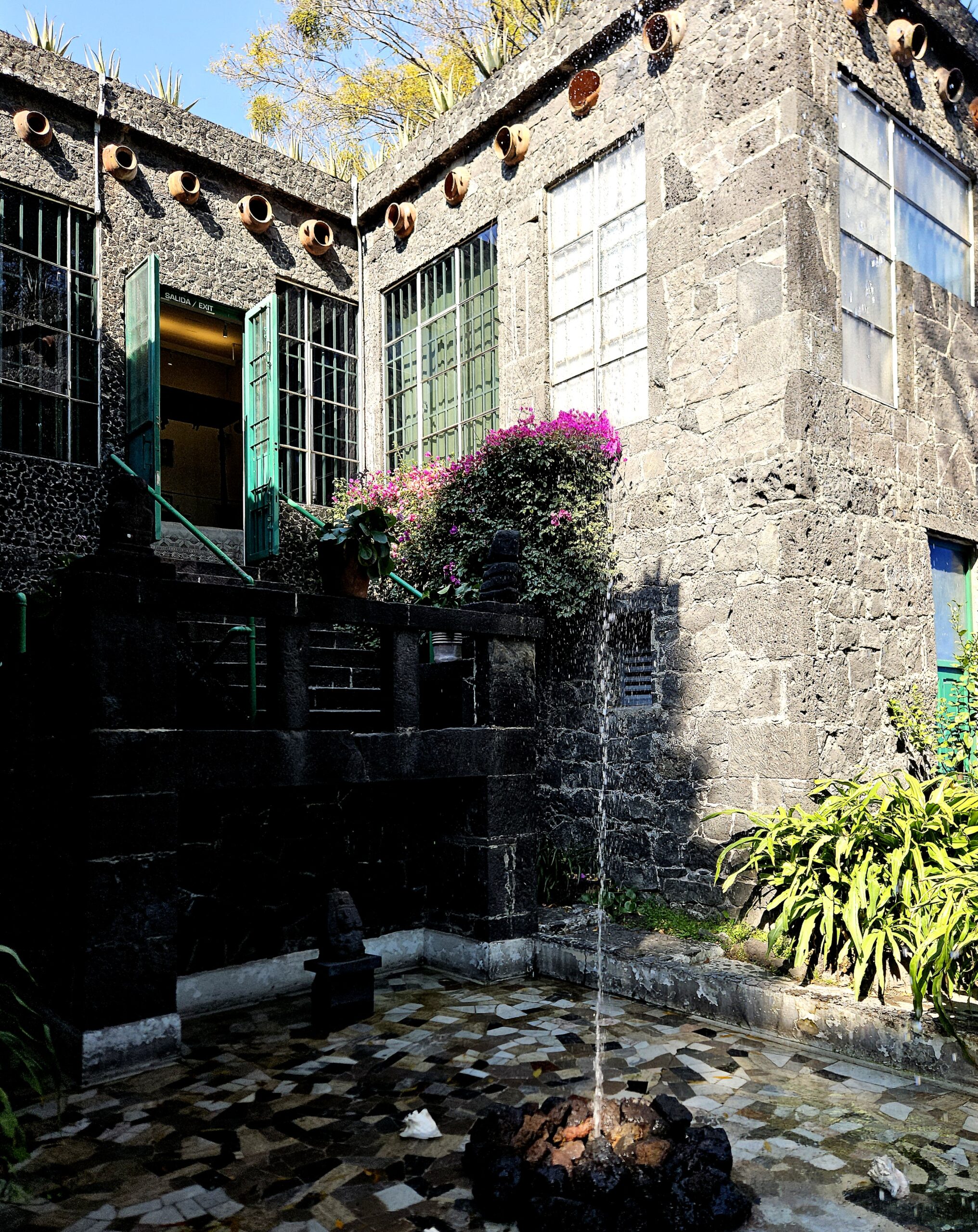 entrance for each day is limited. We were extremely lucky to book the first group in the morning. As everyone in our group headed into the house, the exterior was clear to take the best photos. As people came out of the house, the interior was then empty for a relaxed stroll through. The museum is located in Coyoacan and can be combined with a trip to visit the neighborhood of Coyoacan and Xochimilco.
Xochimilco
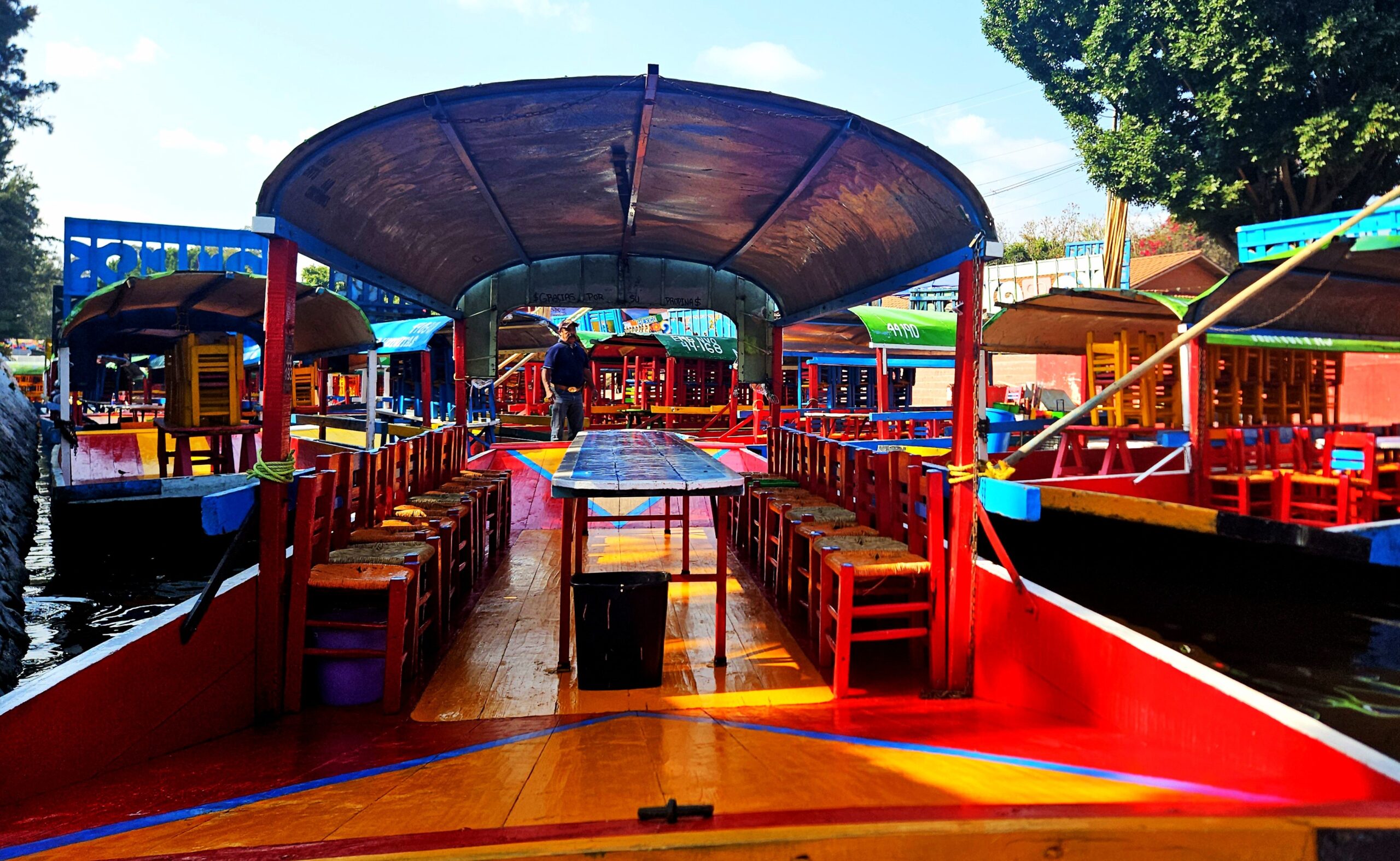
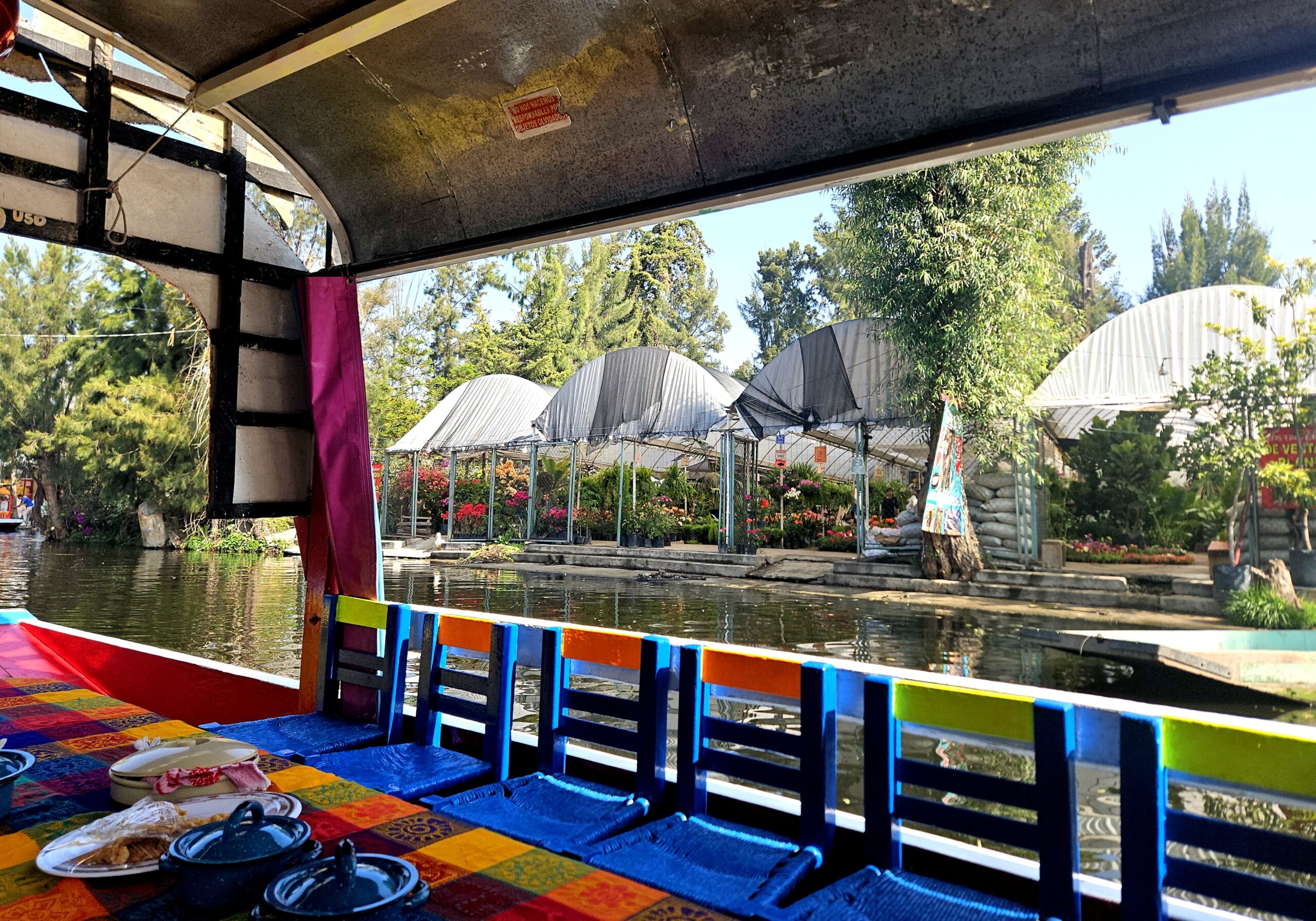
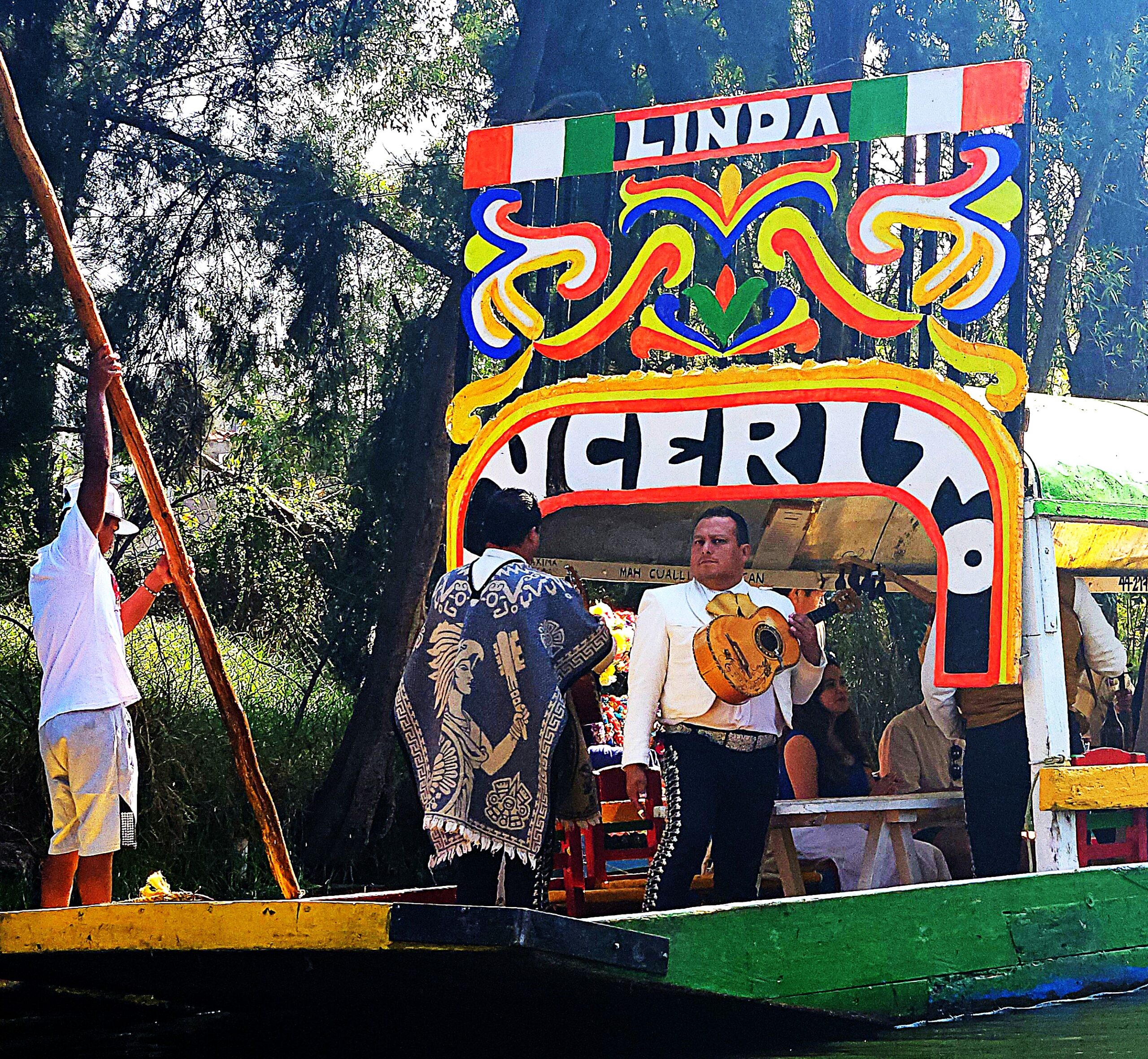 This complex of canals and chinampas (artificial islands) is a go-to place for parties and celebrations. Brightly colored trajineras (flat-bottomed boats) glide down along what was originally built as both a passage network and an agricultural system. Trips vary in length from an hour to six hours as the boatsman transports you along. Smaller crafts will come alongside your boat to sell drinks,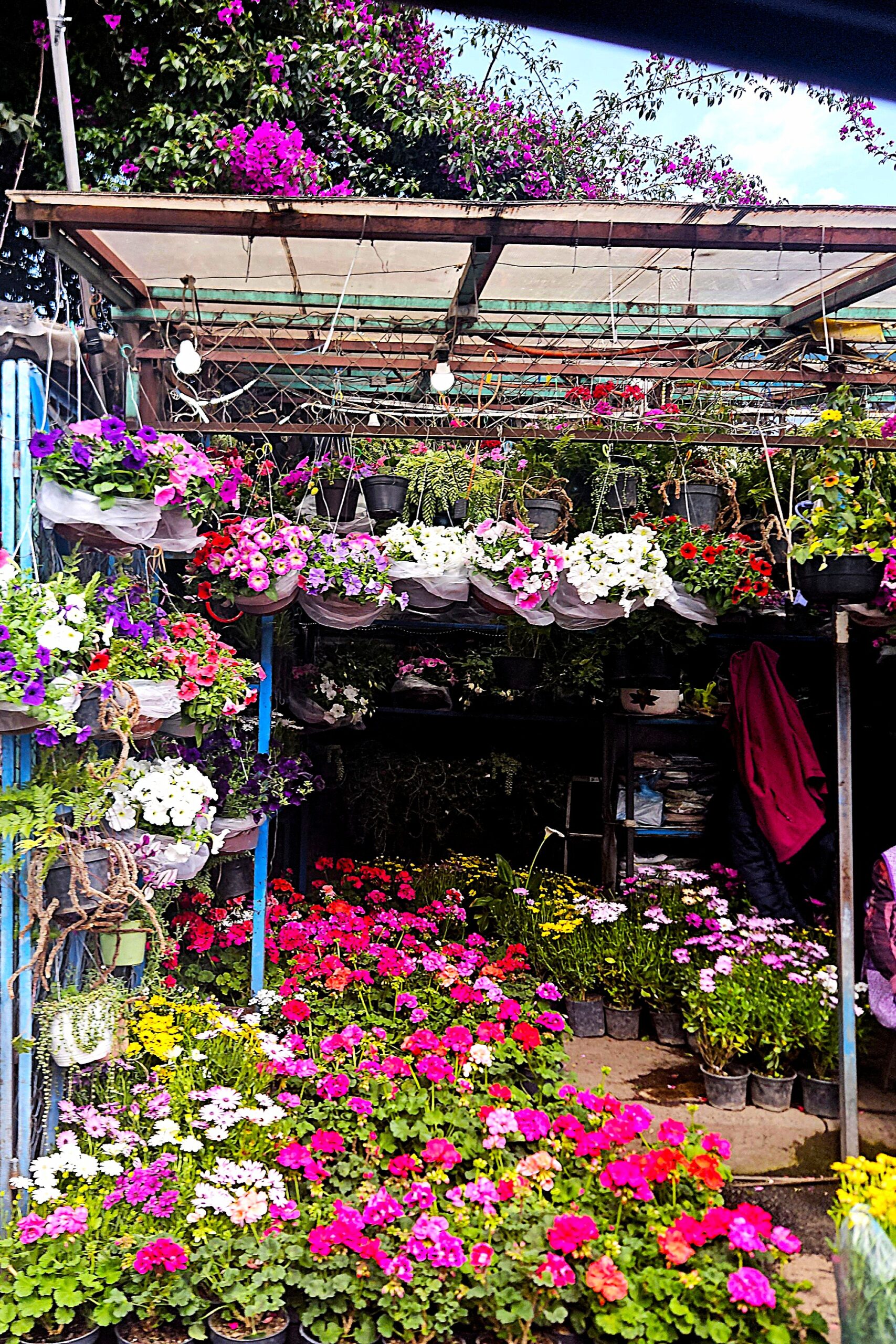
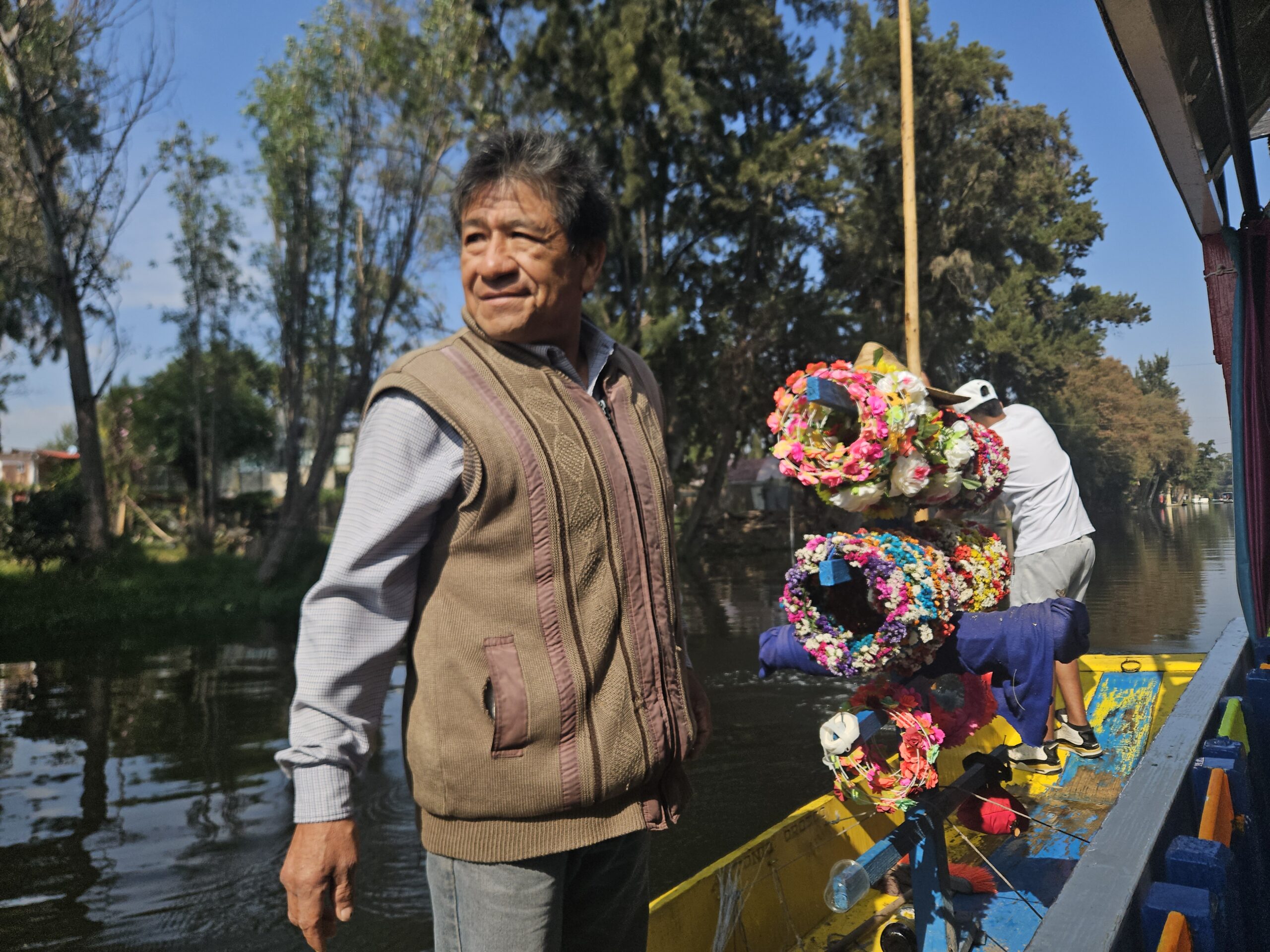 food and souvenirs. Floating Mariachi bands will serenade you for a fee. We booked a tour through Viator in which the boat and driver were included as well as a modest lunch. It was a beautiful way to spend a morning. There are botanical stands with plants and flowers surrounding the whole area. We booked during the week. If you want a more livelier scene book for the weekend. This district became a World Heritage Site in 1987.
Museo Casa Estudio Diego Rivera y Frida Kahlo
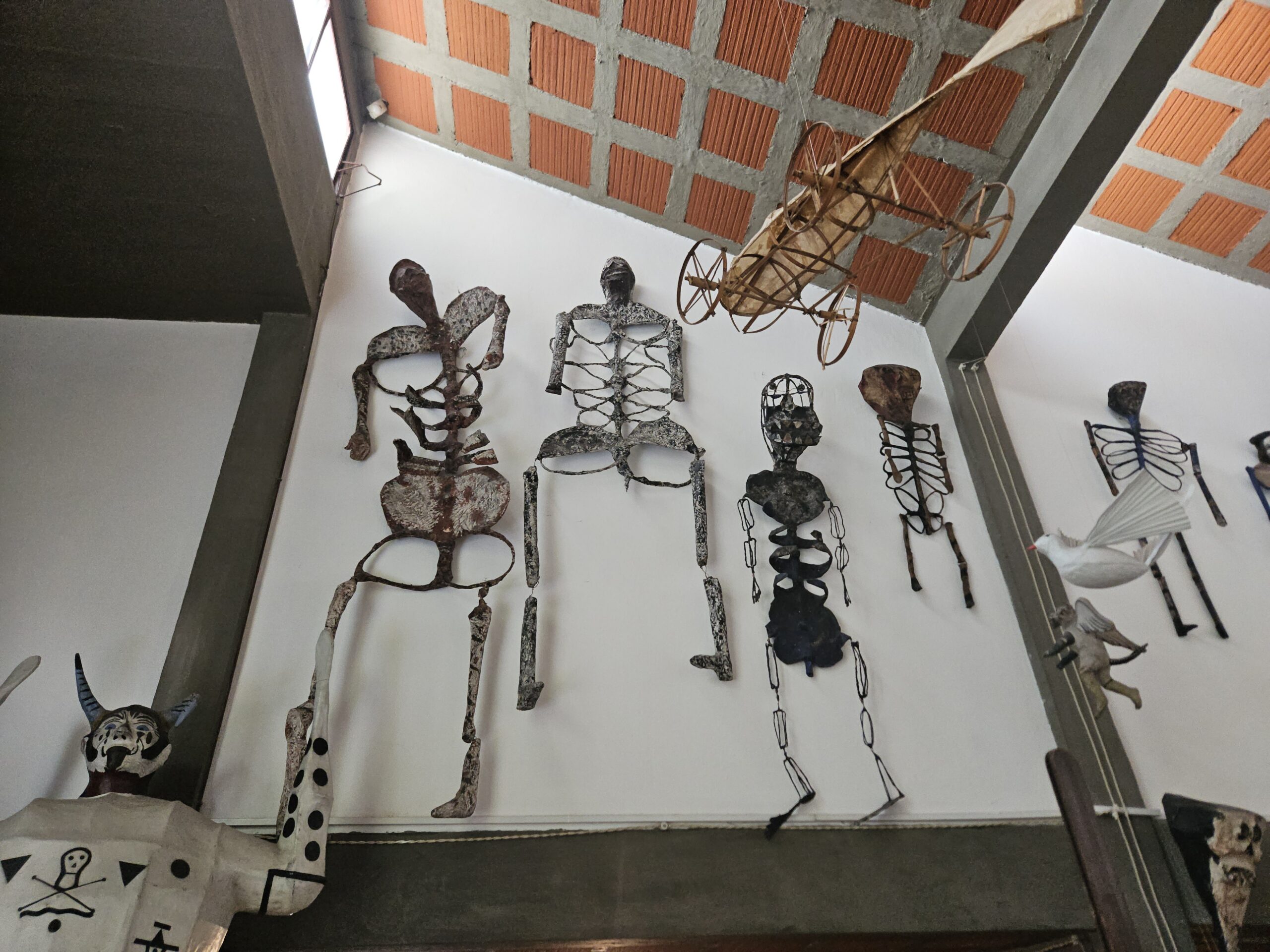
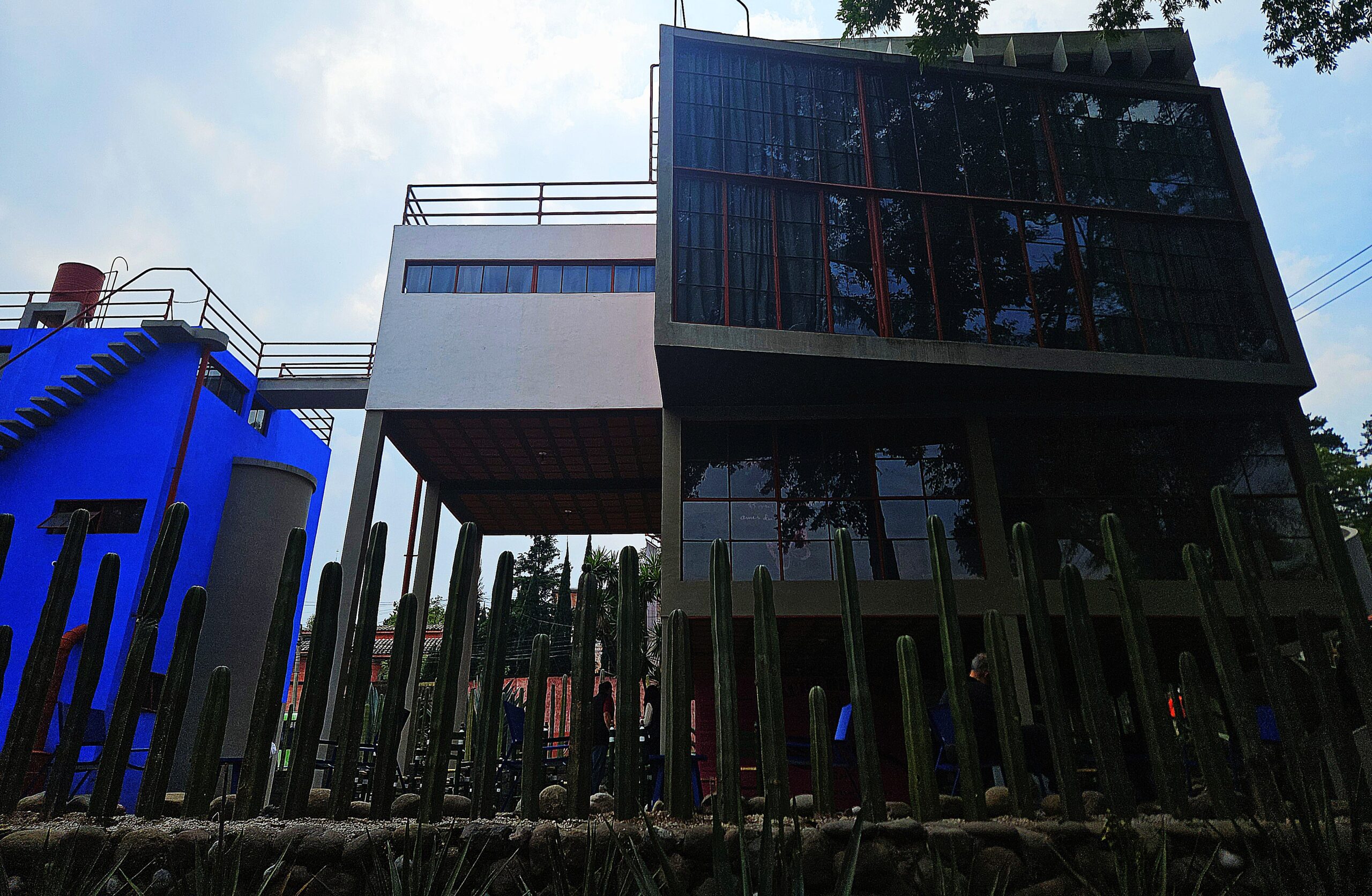
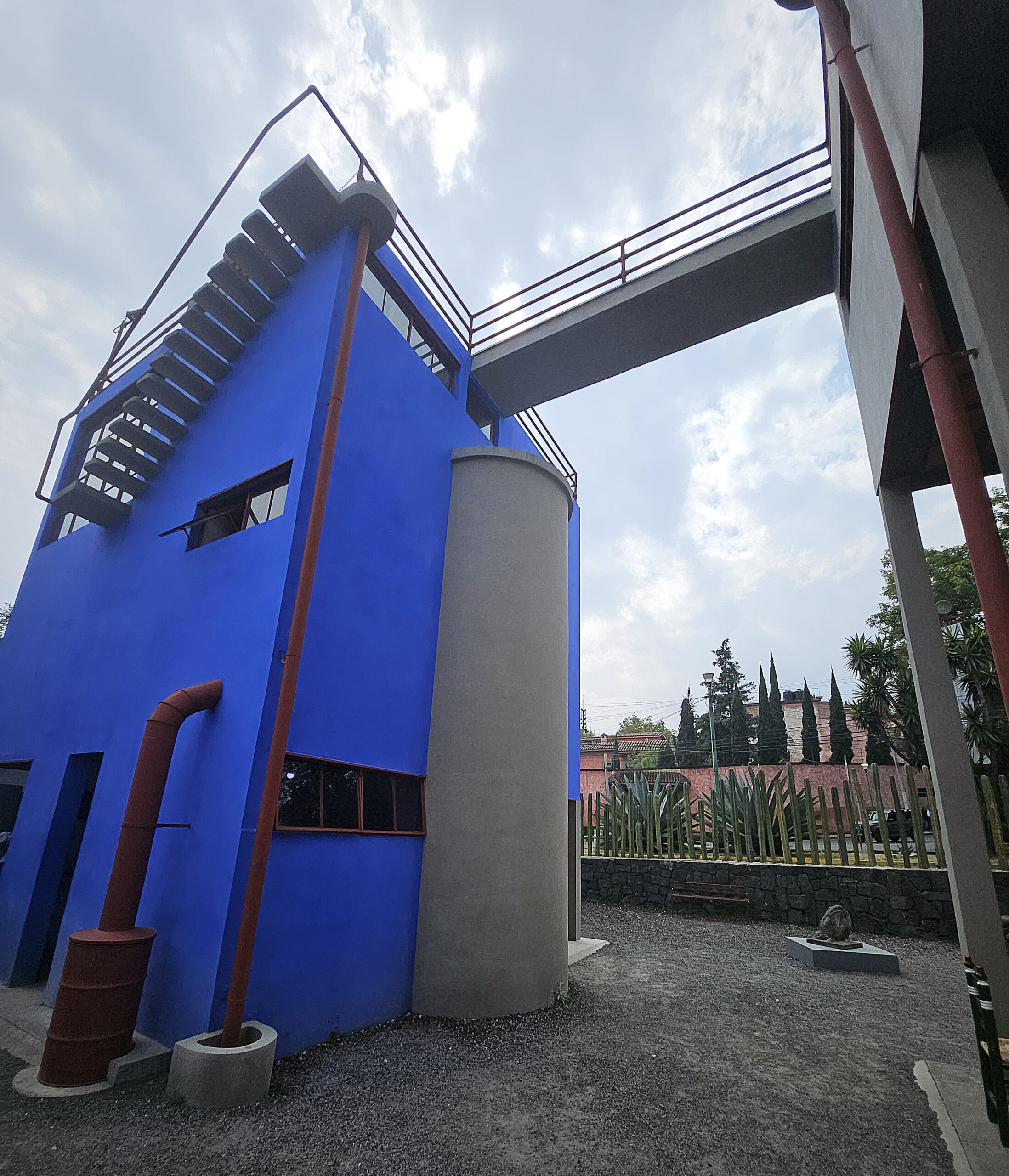
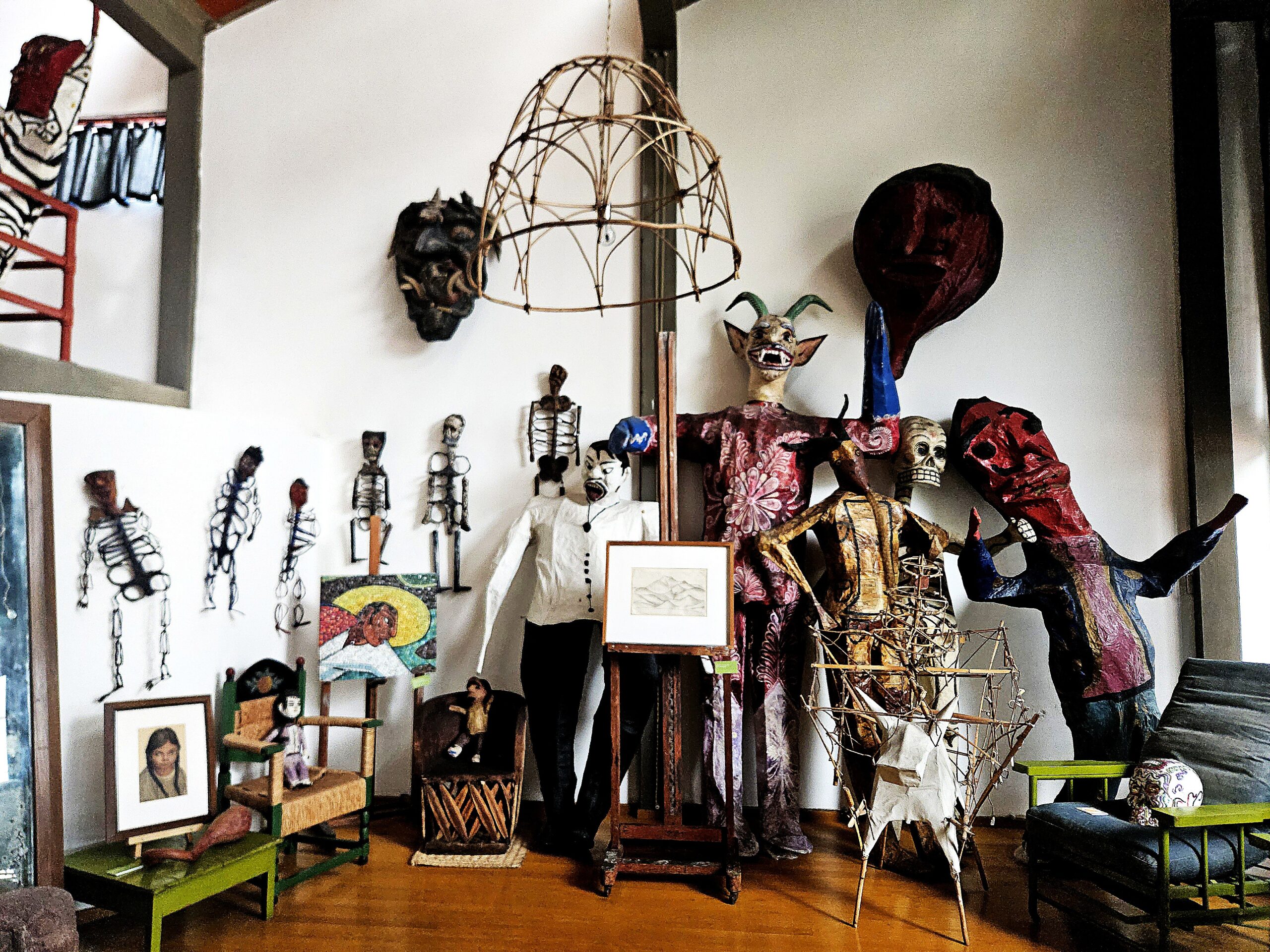 In addition to housing the works of two great artists, the museum offers a unique look into 1930s Mexican Modernist architecture. It is surrounded by a cactus fence, and its rooftop boasts great views of the San Angel neighborhood.
Anahuacalli Museum
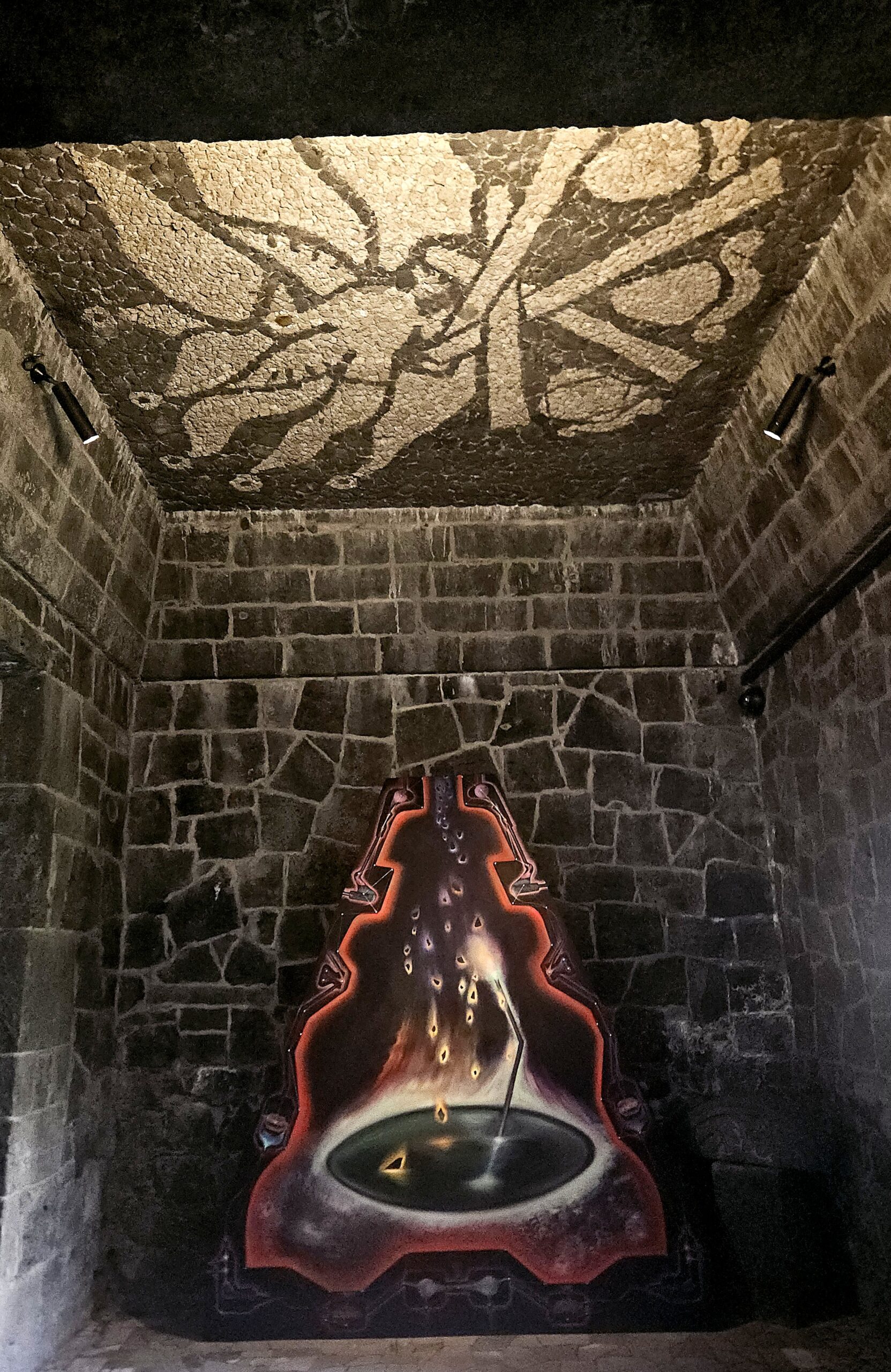
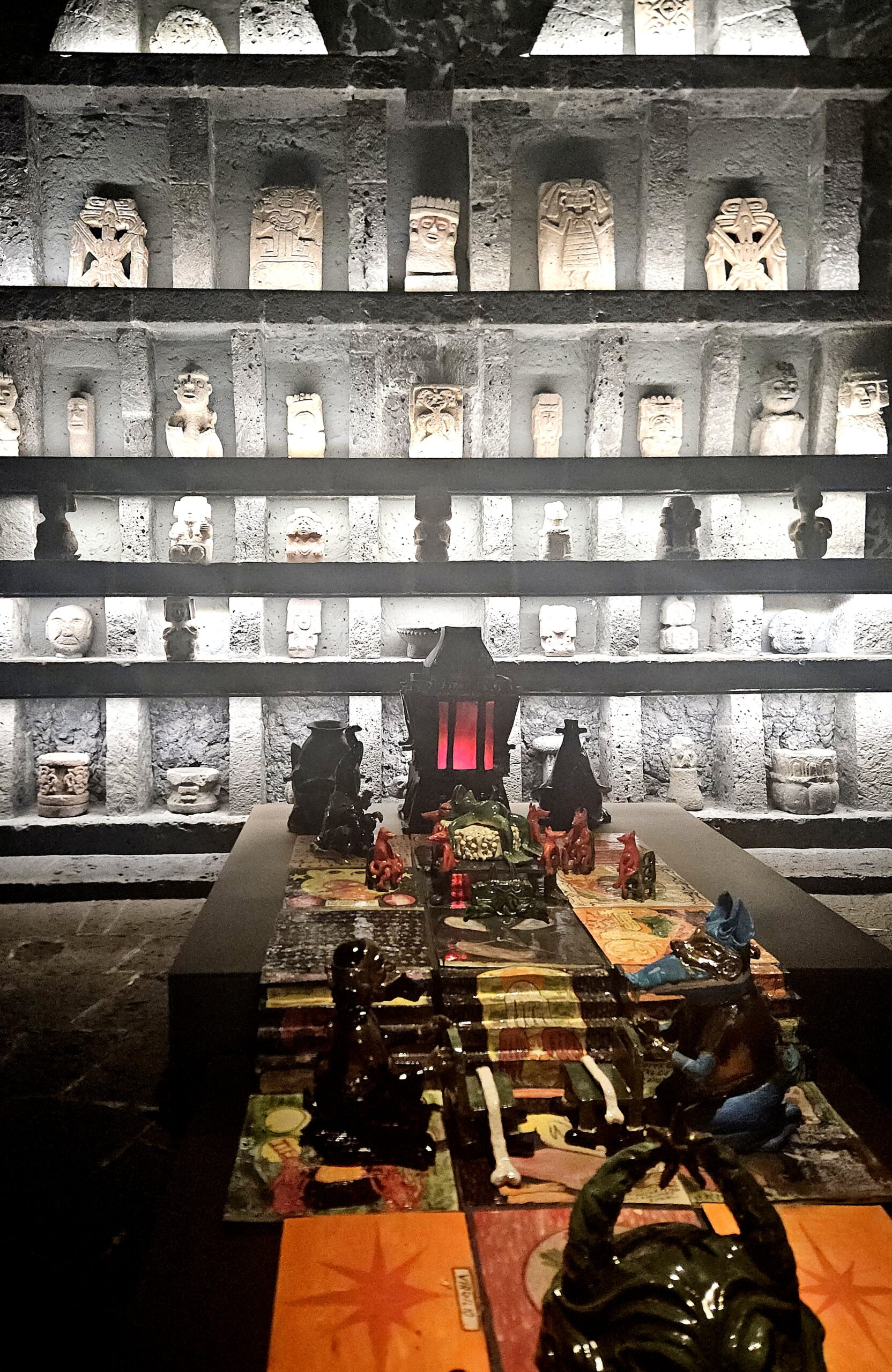 Inspired by Teotihuacan, Diego Rivera designed it as a setting of his pre-hispanic works. It is a fascinating building and setting. The area was once a ranch where Frida Kahlo and he raised vegetables and planned a future museum.
Palacio de Bellas Artes
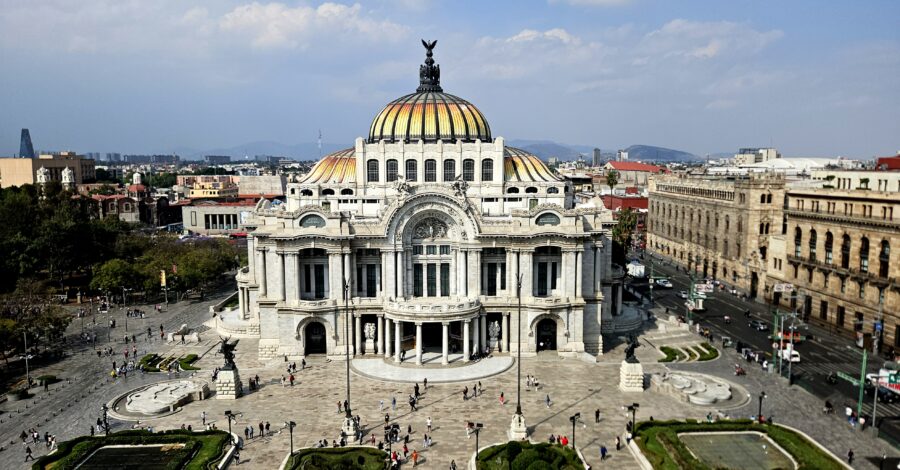
One of the main attractions in Mexico City is the dazzling Palacio de Bellas Artes, a building that fuses Art Nouveau and Art Deco to create one of the city’s most familiar landmarks. The palace hosts a stunning lobby that can be entered without charge, as well as a couple of spaces that conduct classical music, opera, and ballet performances. There is a collection of murals in the museum portion of the building. The highlight is Diego Riviera’s El Hombre Controlador del Universo (Man, Controller of the Universe), an extensive, political work that was transplanted here after being removed from the USA for its communist themes.
Palacio de Correos de Mexico (Postal Palace)
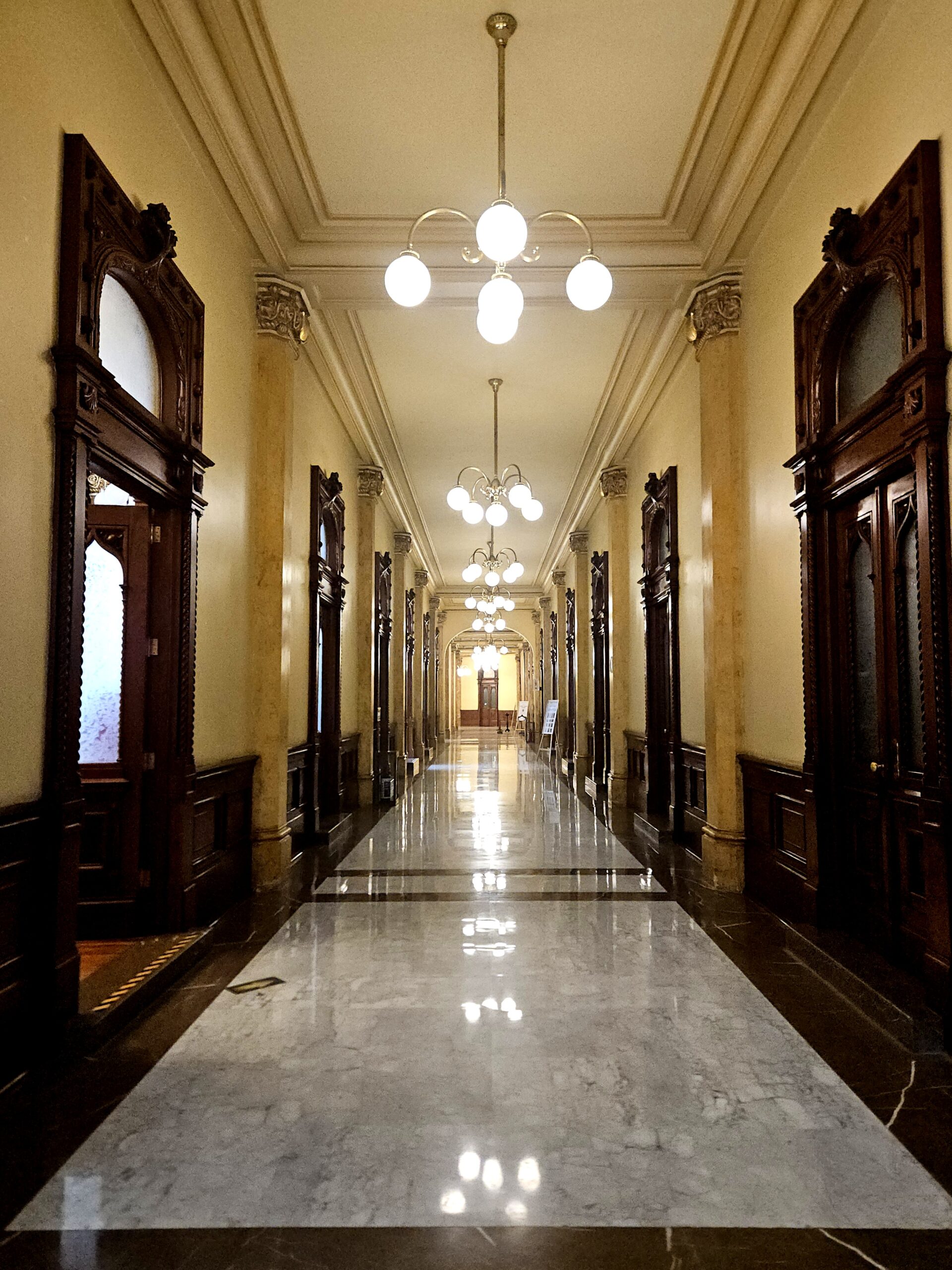
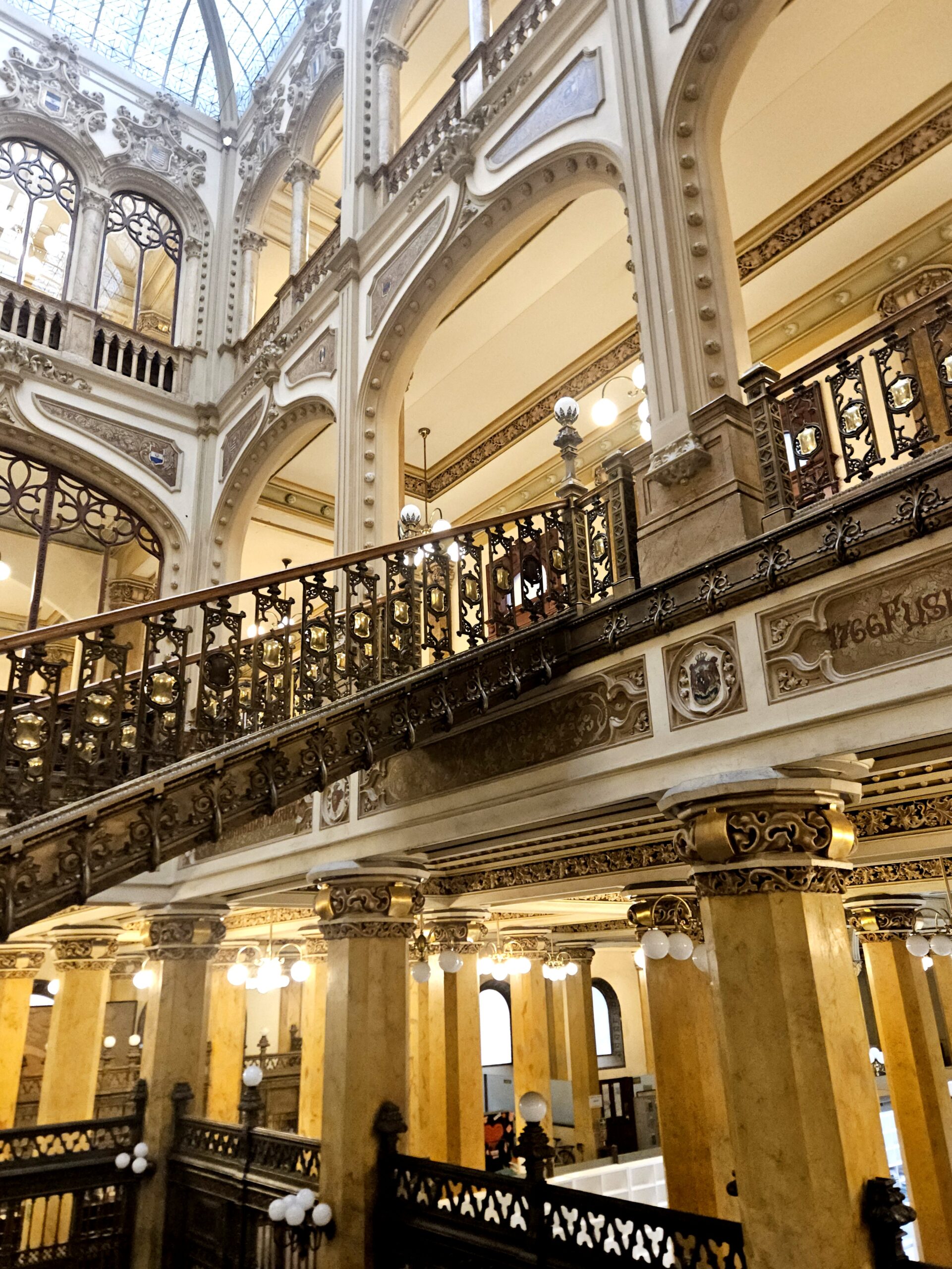 The city’s central post office was built in 1907 and is still in operation. Located near the Palacio de Bellas Artes, the gilded and marble palace is a fusion of Neo Venetian Gothic and Art Nouveau design. For the philatelist, the post office houses a small postal museum. Well worth a look too if you enjoy architecture.
Finca Don Porfirio
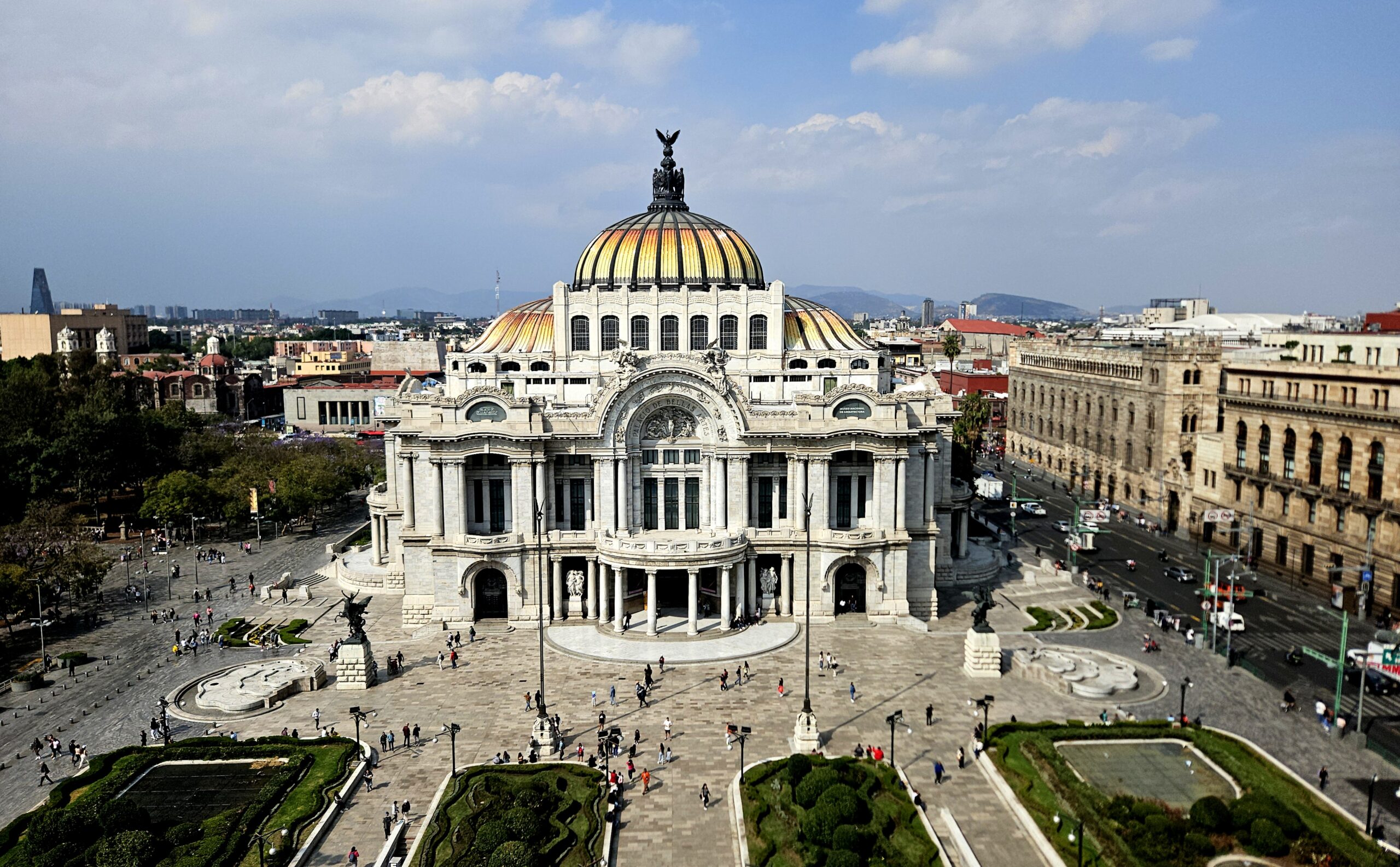
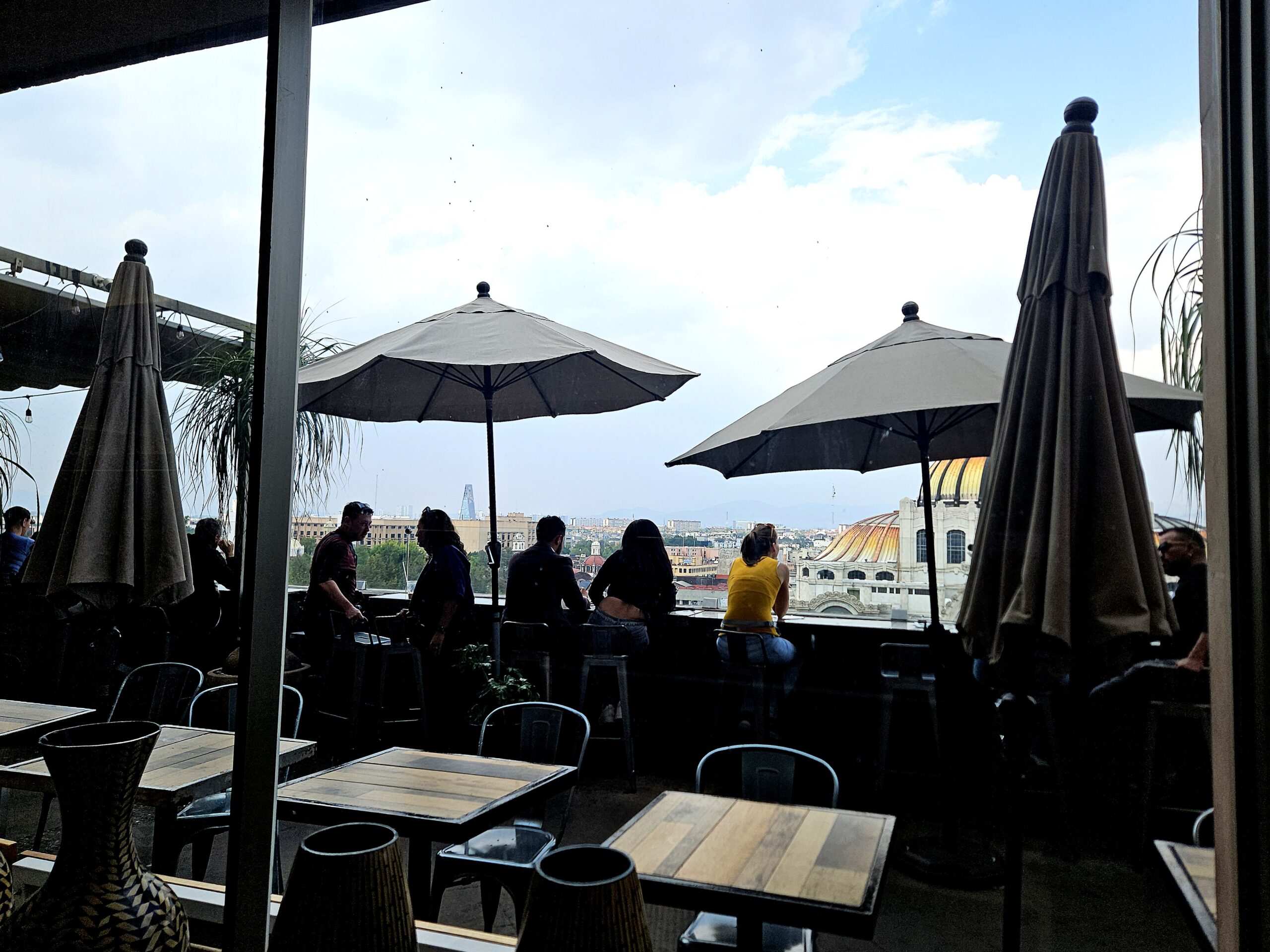 This restaurant, located on the 8th floor of the Sears building, is a great place for coffee, pastries or dessert. What makes it so special is the view of the Bellas Artes Palace. It is definitely all about the view.
Teotihuacan Pyramids
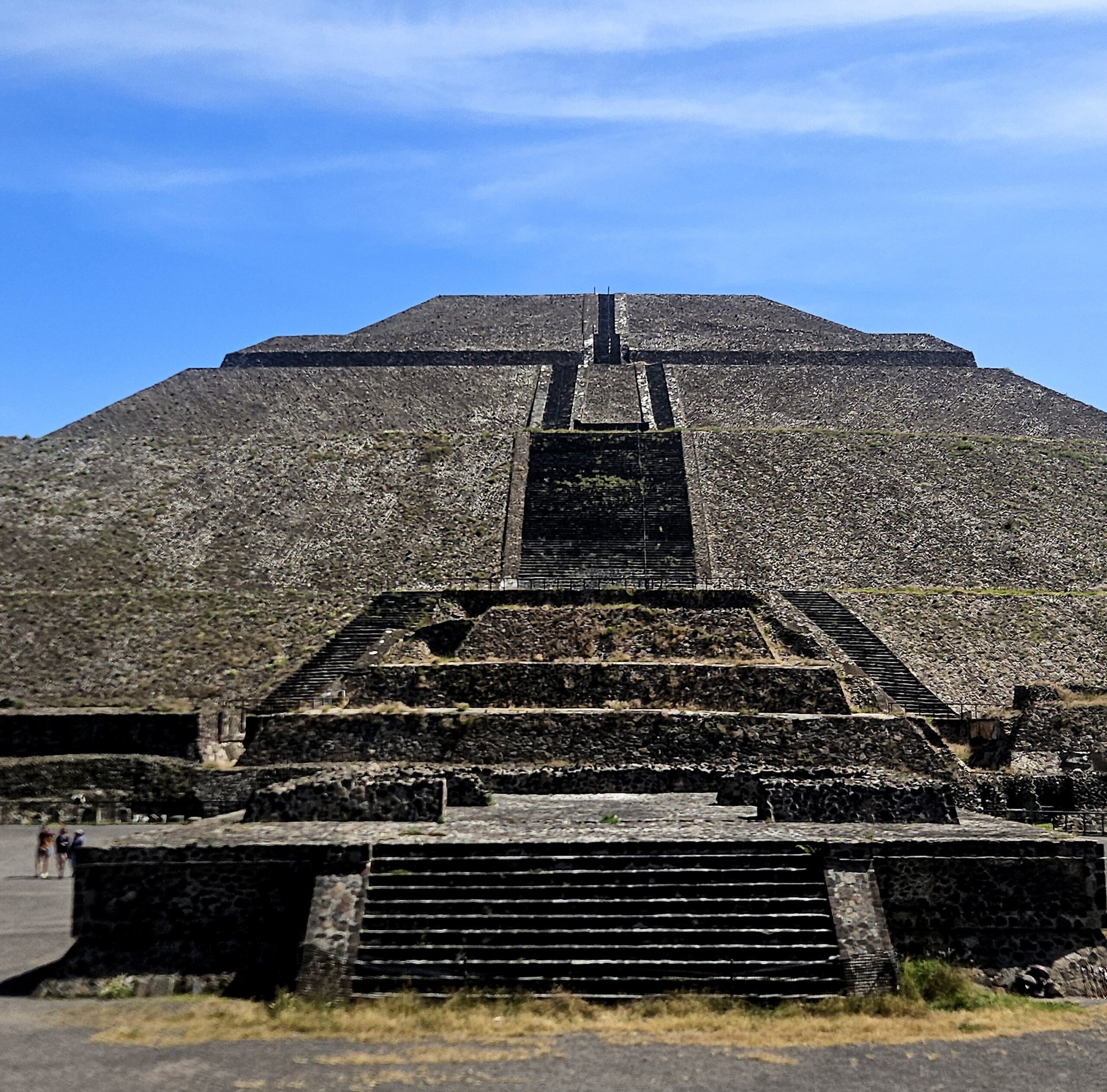
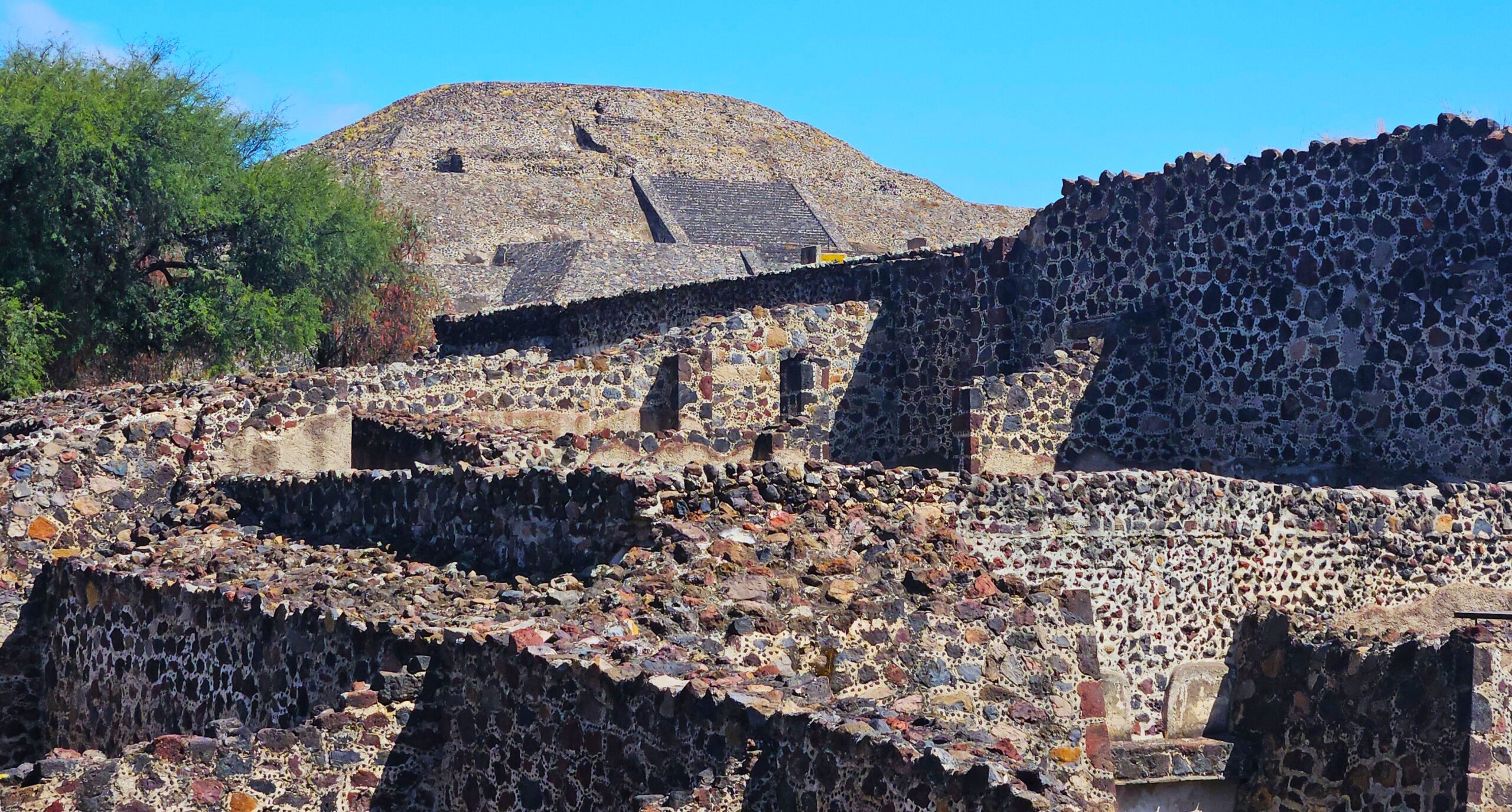
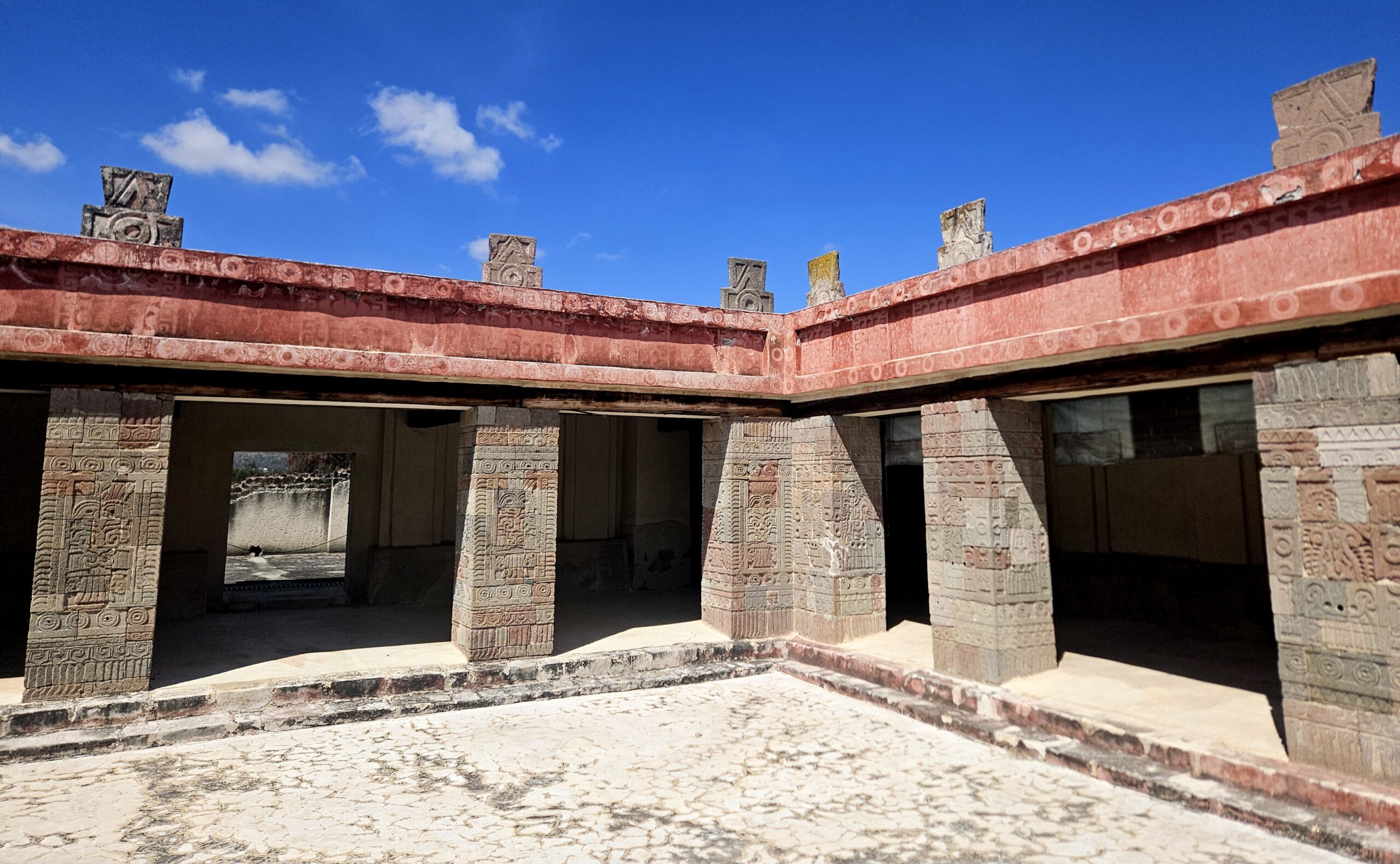 About 30 miles northeast of Mexico City lies one of the most important archaeological sites in the Americas. The structures include the Pyramid of the Sun and the Pyramid of the Moon,
 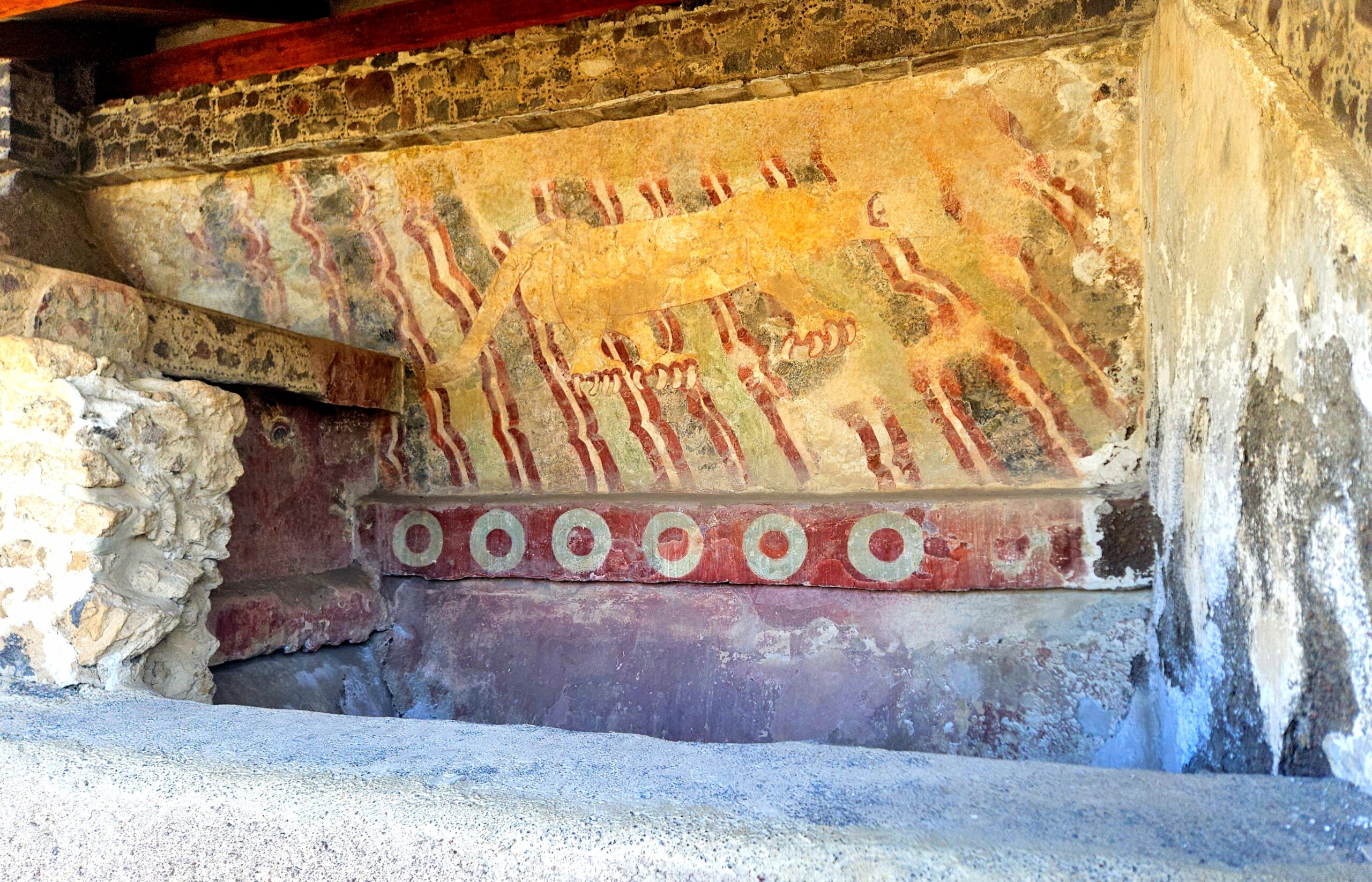 which are known for their imposing architecture and historical importance to the Mesoamerican civilization. Exactly who built the structures is in doubt. They predate the Aztecs and were in ruins when the Aztecs arrived. The site features colorful murals and the residential housing of the day. The Avenue of the Dead is lined with more pyramids and platforms.
Cablebús
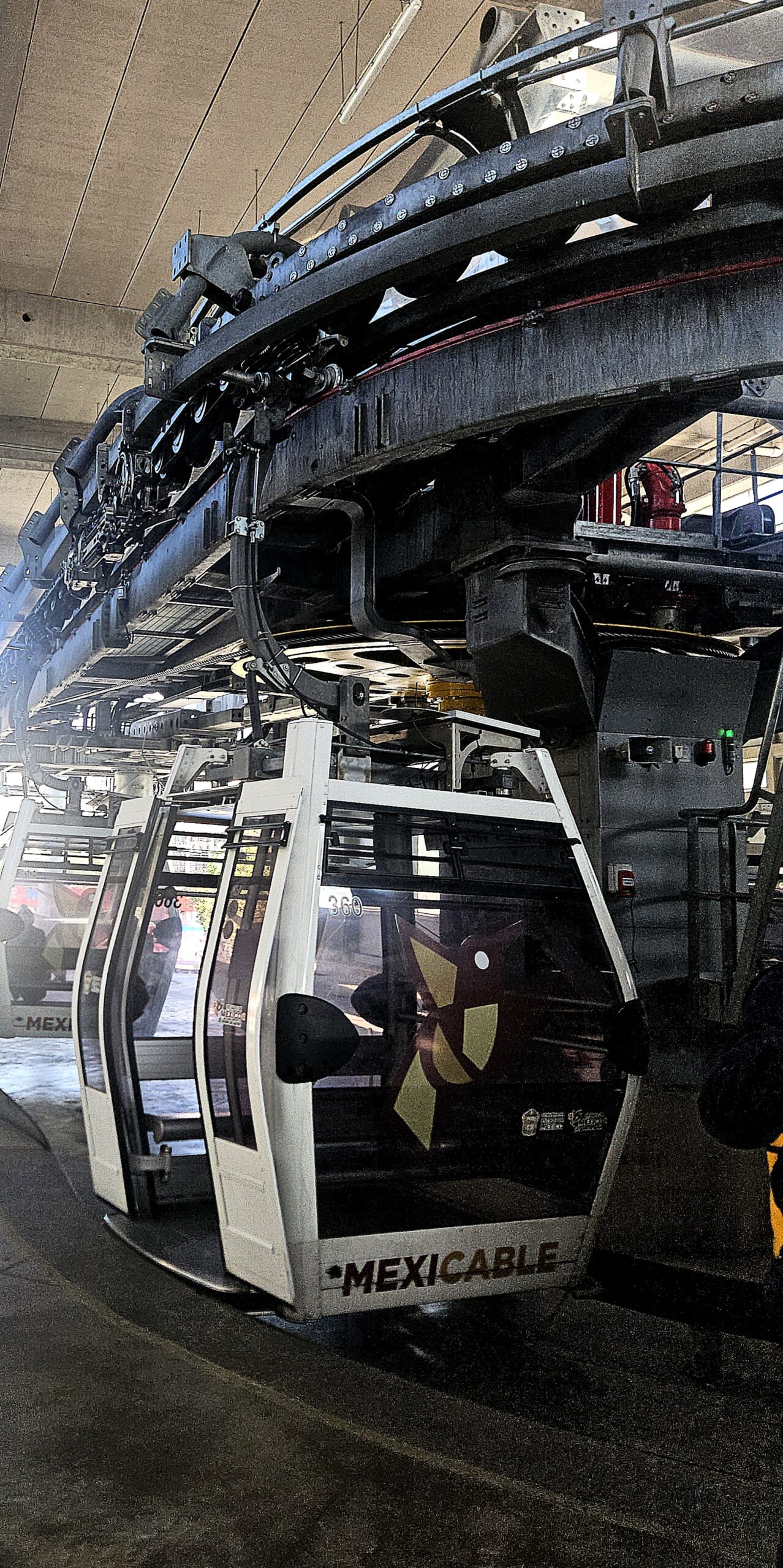
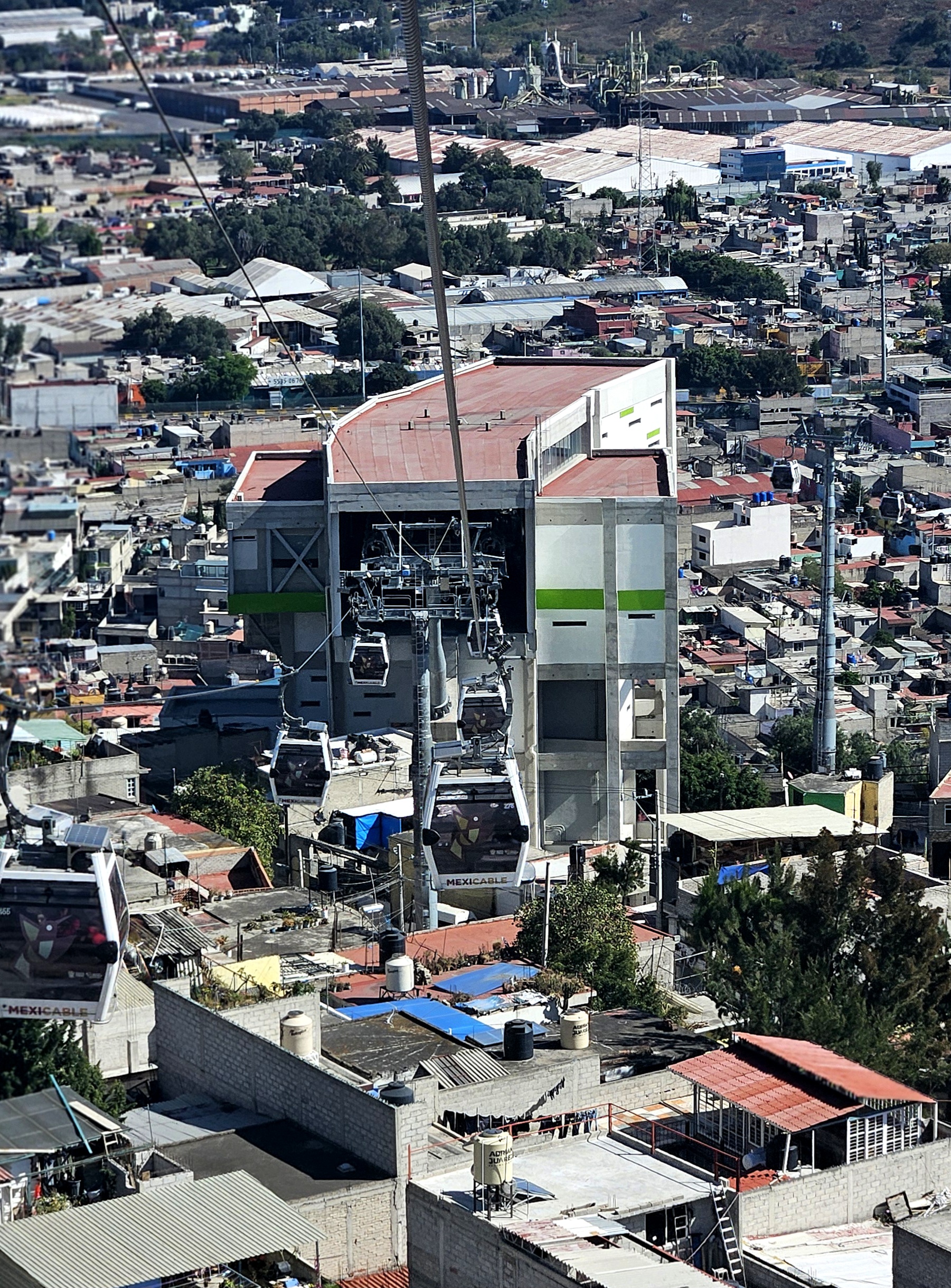 We visited the pyramids on a private Viator tour. On the way, at our request, our guide stopped for us to ride on the aerial gondolas that transverse parts of the city from on high. We had incredible view of rooftops with murals from above. Our guide had never been on cable car and enjoyed it as much as we did—one of the many highlights of the day!
Basilica of Santa María de Guadalupe
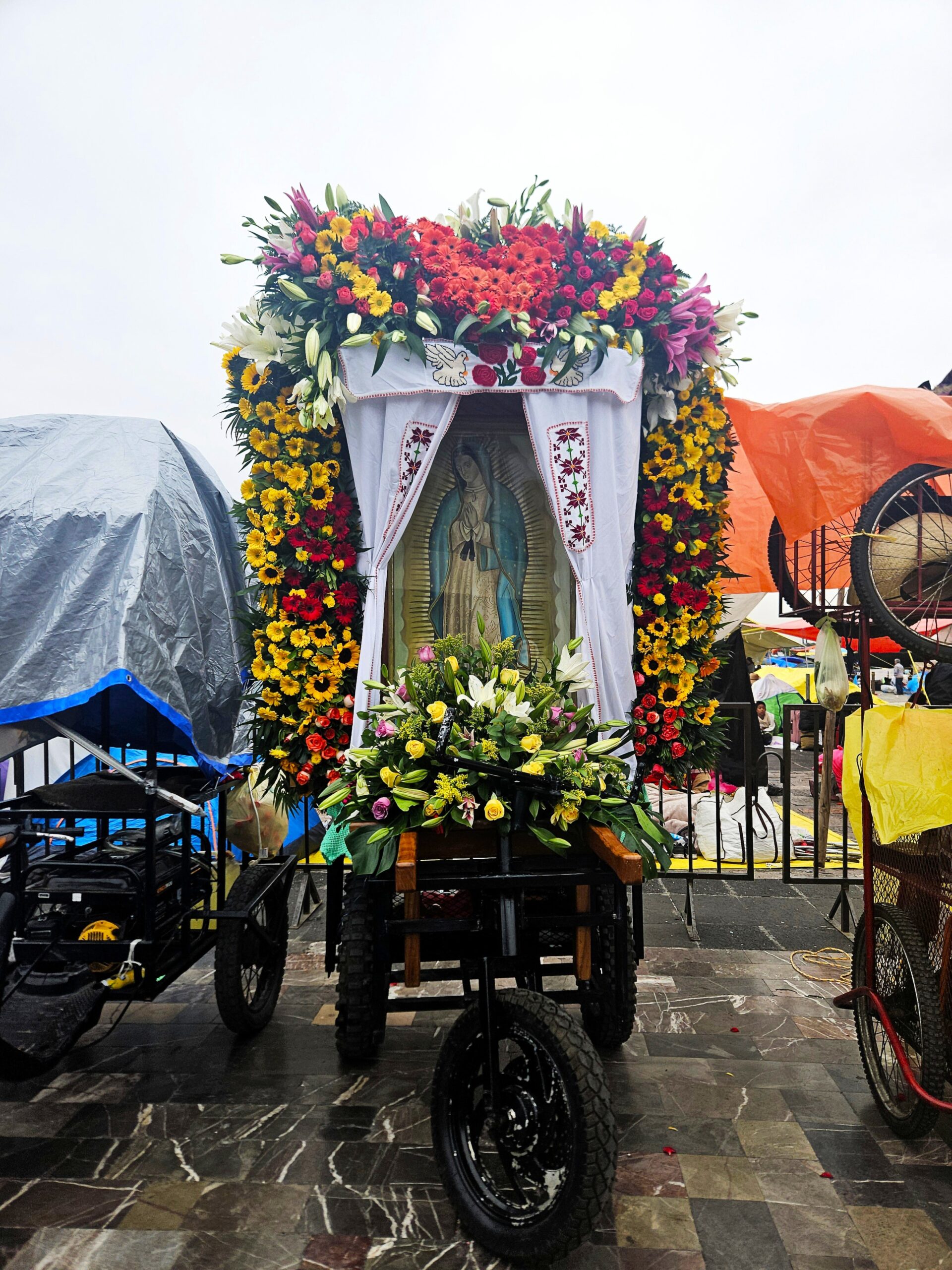
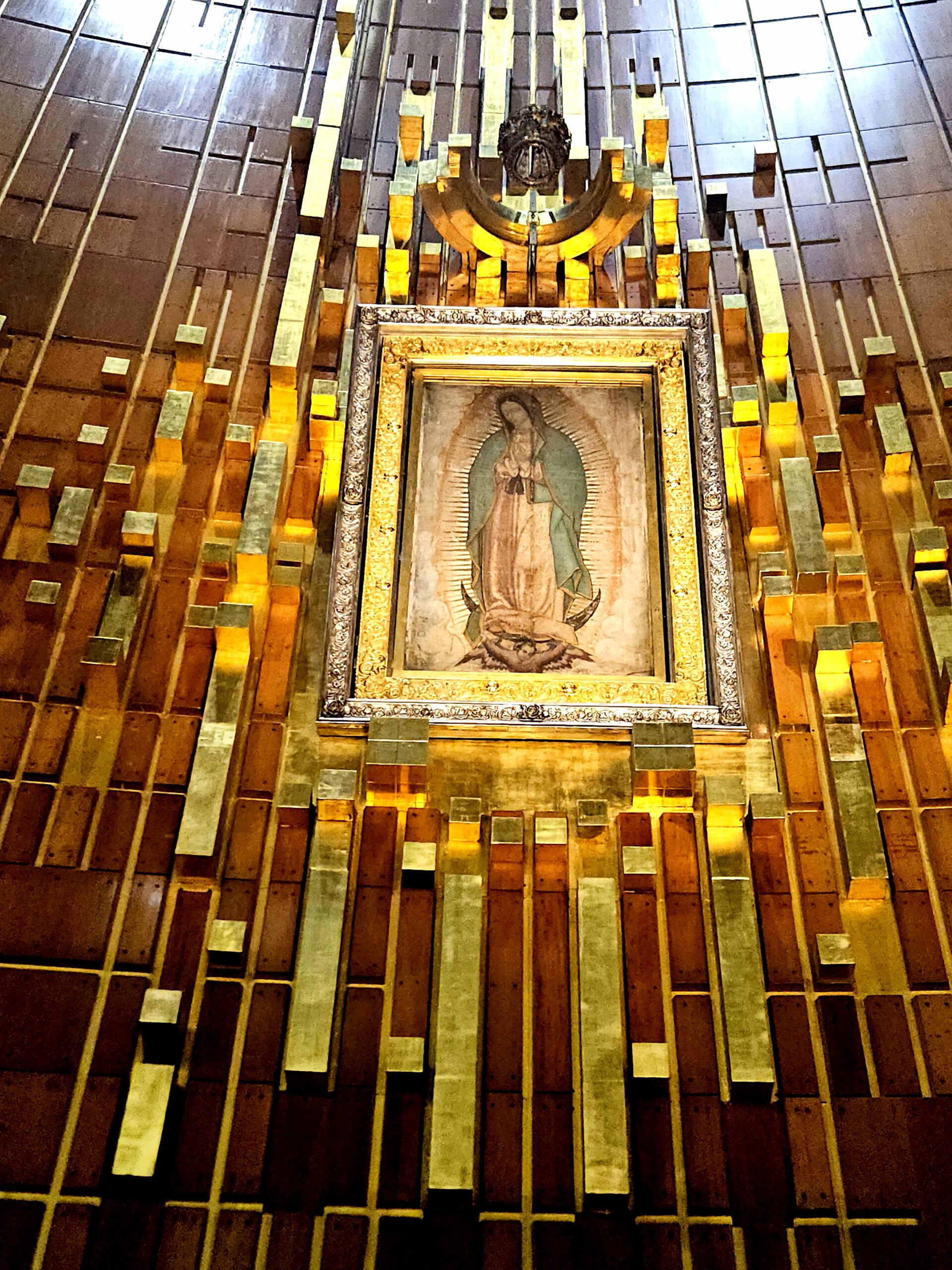 The Virgin Mary is thought by many to have appeared on this site in 1531, and left her image imprinted—on the cloak of a peasant, Juan Diego Cuauhtlatoatzin. The cloak is now the centerpiece of the huge basilica, the world’s most visited shrine dedicated to Mary. Pilgrimages occur all year and draw the faithful from around the world. They reach their peak on December 12 for the Feast of Guadalupe.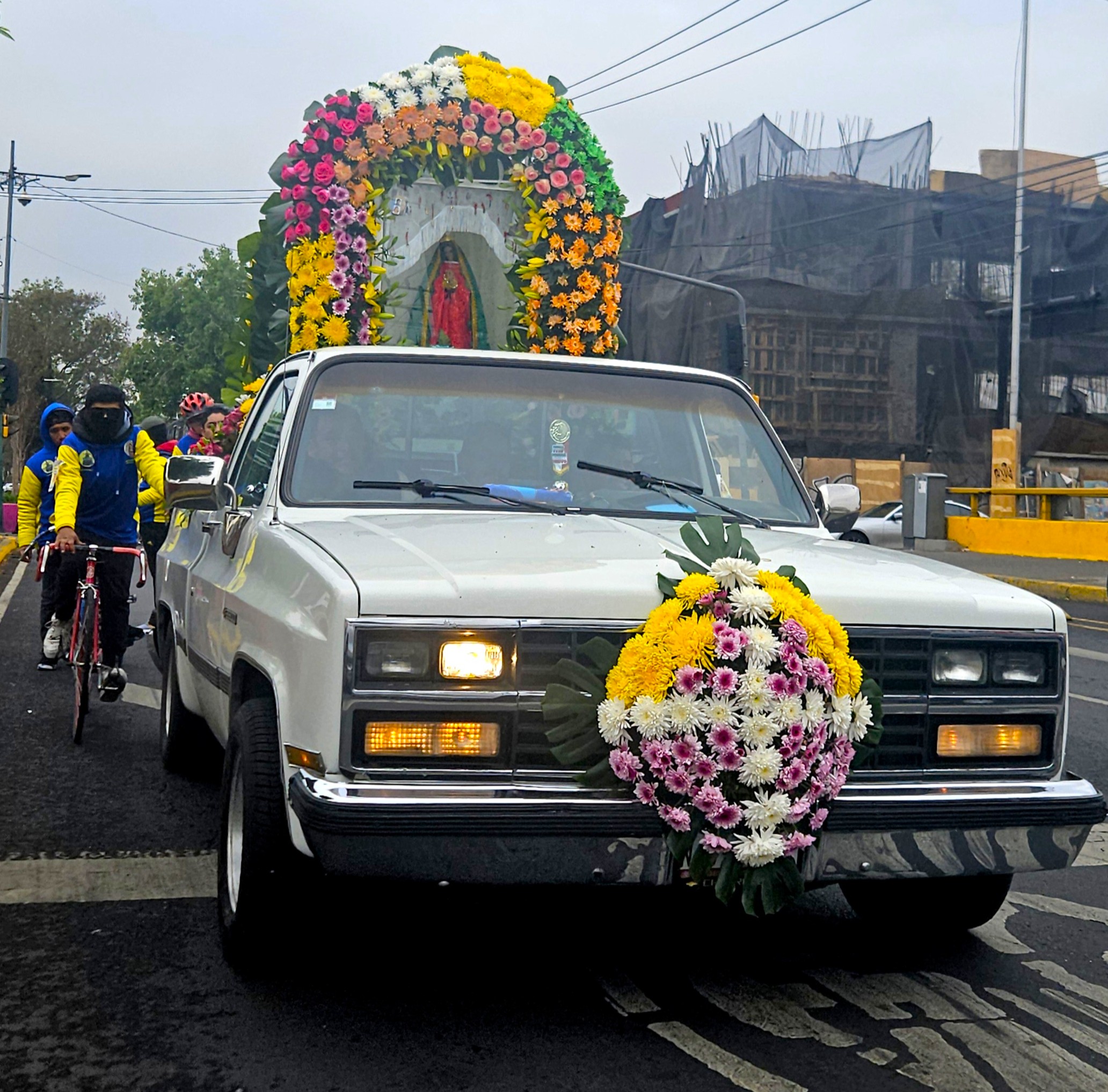
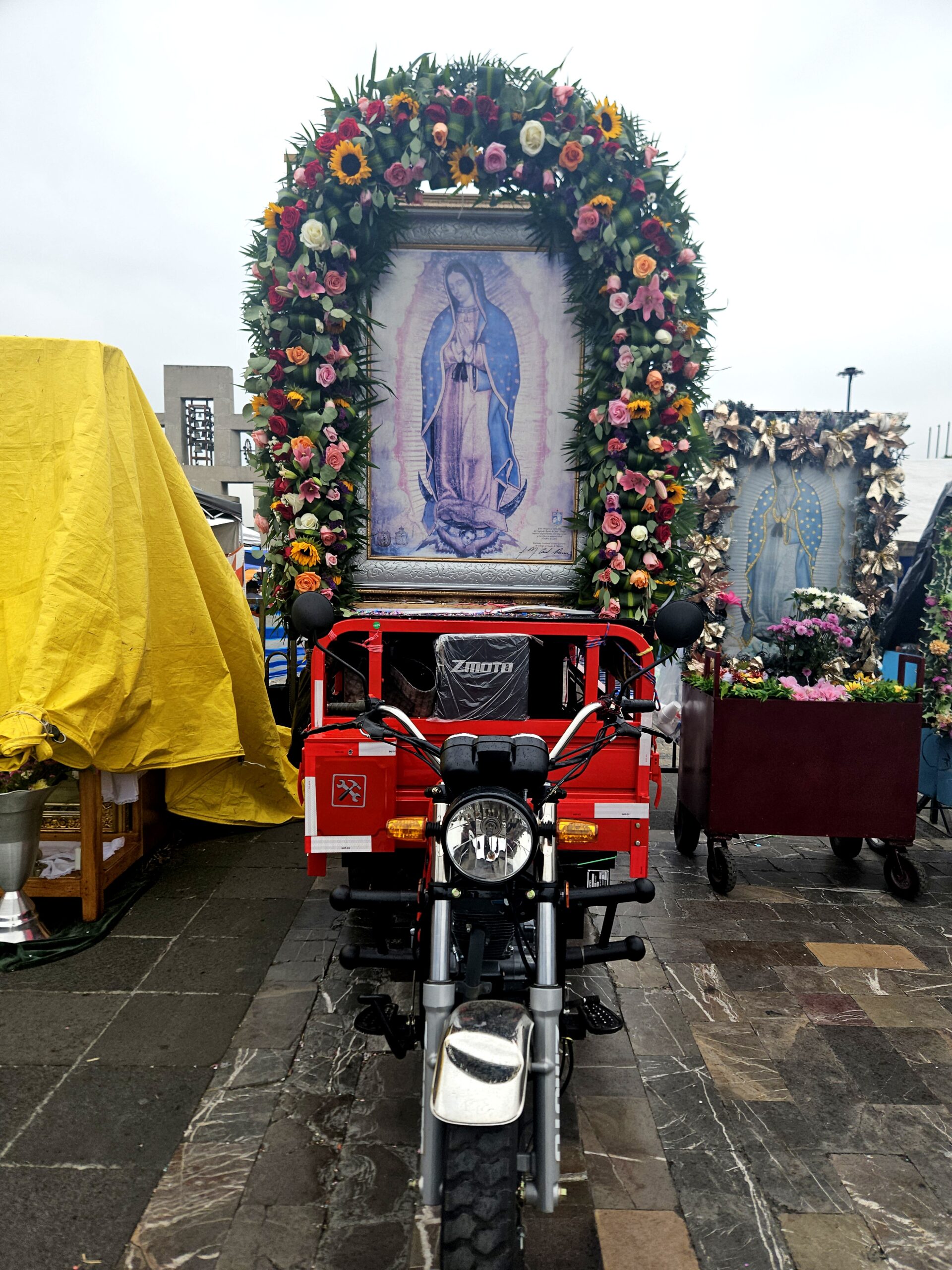 We have visited here twice, and each time we saw hundreds of pilgrims on the road to the basilica. They often arrive on motorbikes or trucks carrying Mary of Guadalupe’s image and camp on the basilica grounds in tents painted with her likeness. The energy and devotion of the pilgrims here is amazing! You pass by the image on a moving walkway and are able to get a good view of it. There is a large and interesting souvenir shopping complex beneath the church.
Mexico City is full of life, history and contradictions. It is a blend of historic and modern attractions. We have stayed there four times in the last two years because there is something about this animated, chaotic city that casts a spell which continues to call you back to see even more.