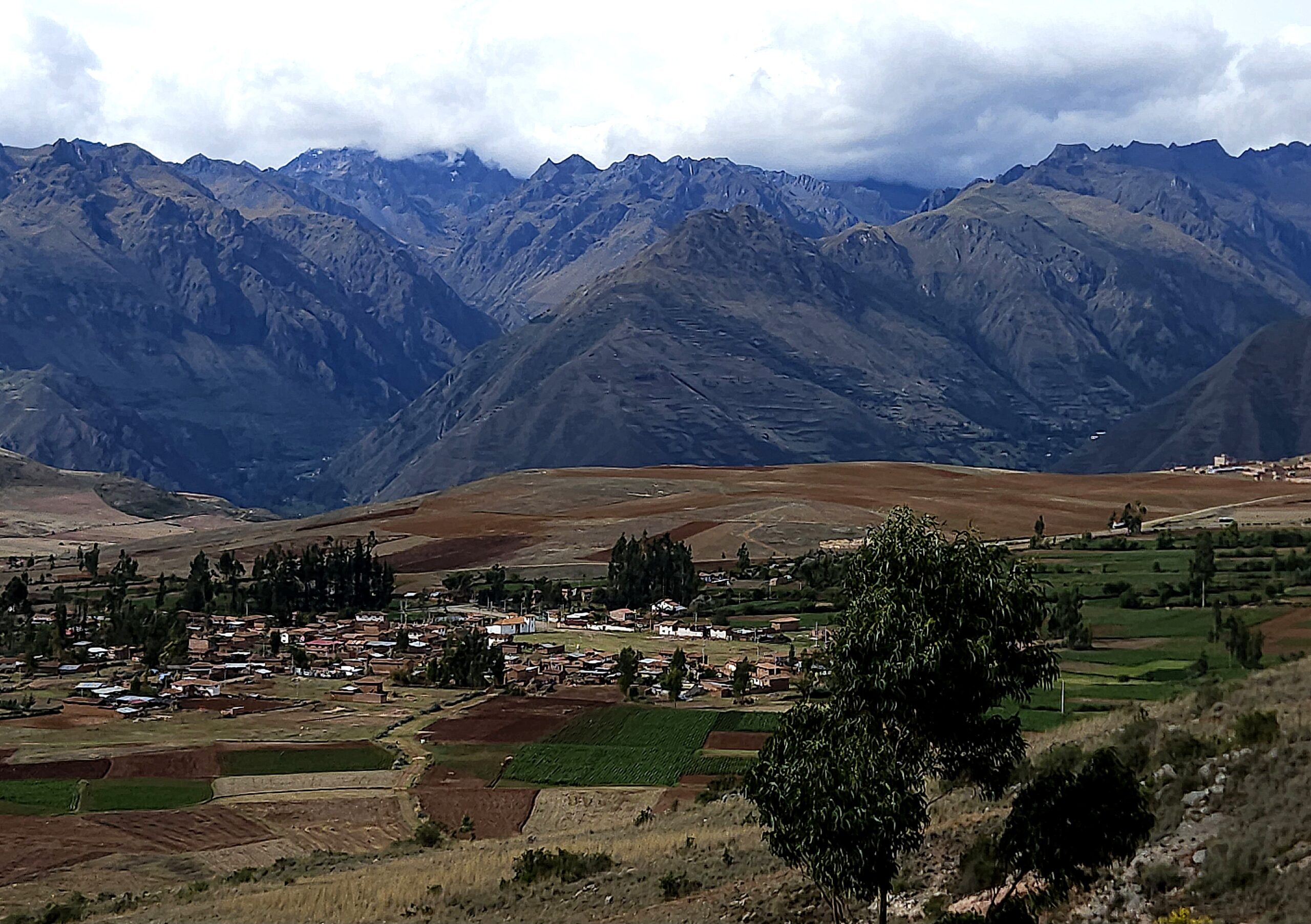
 The Sacred Valley is a halfway between two of the most popular tourist destinations in South America—Cusco and Machu Picchu. It is the best area to relax and enjoy both popular destinations. Cusco’s elevation is over 11,000 feet (3350 meters), which can be challenging for anyone not accustomed to such altitudes. Most of the villages in the area are a lot lower. Some of the most fascinating small villages are surrounded by lush green valleys with the Andean mountains as a backdrop. In and around these villages are Incan ruins.
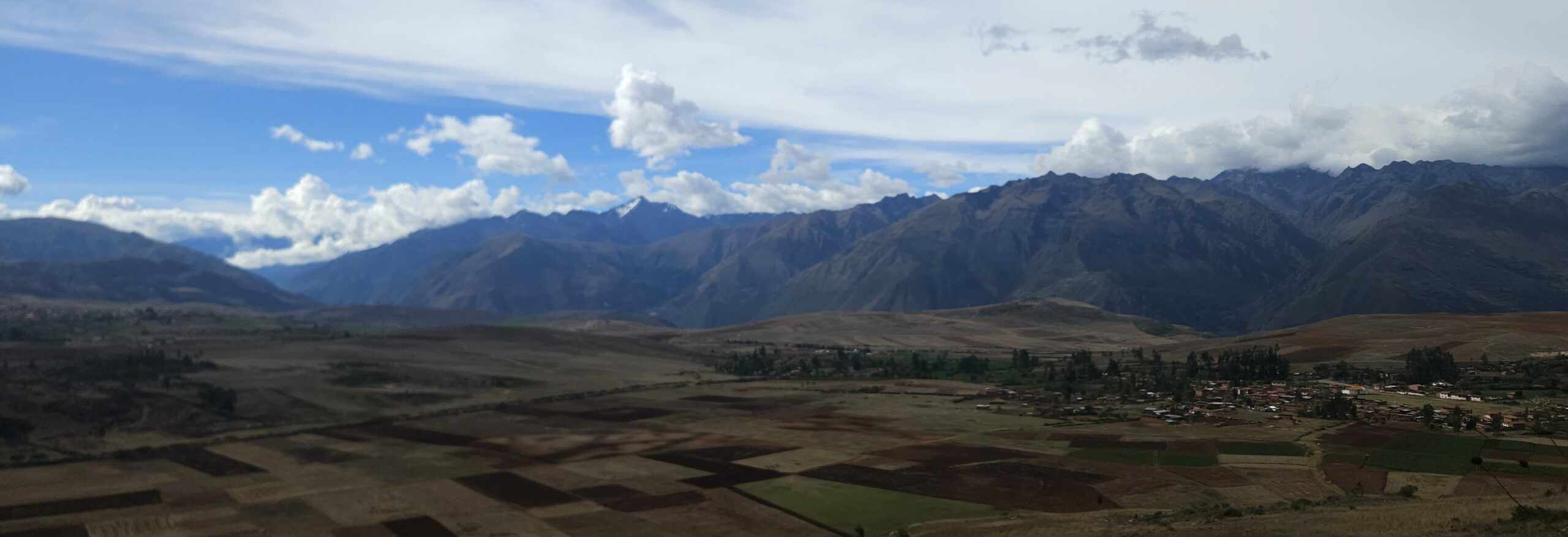
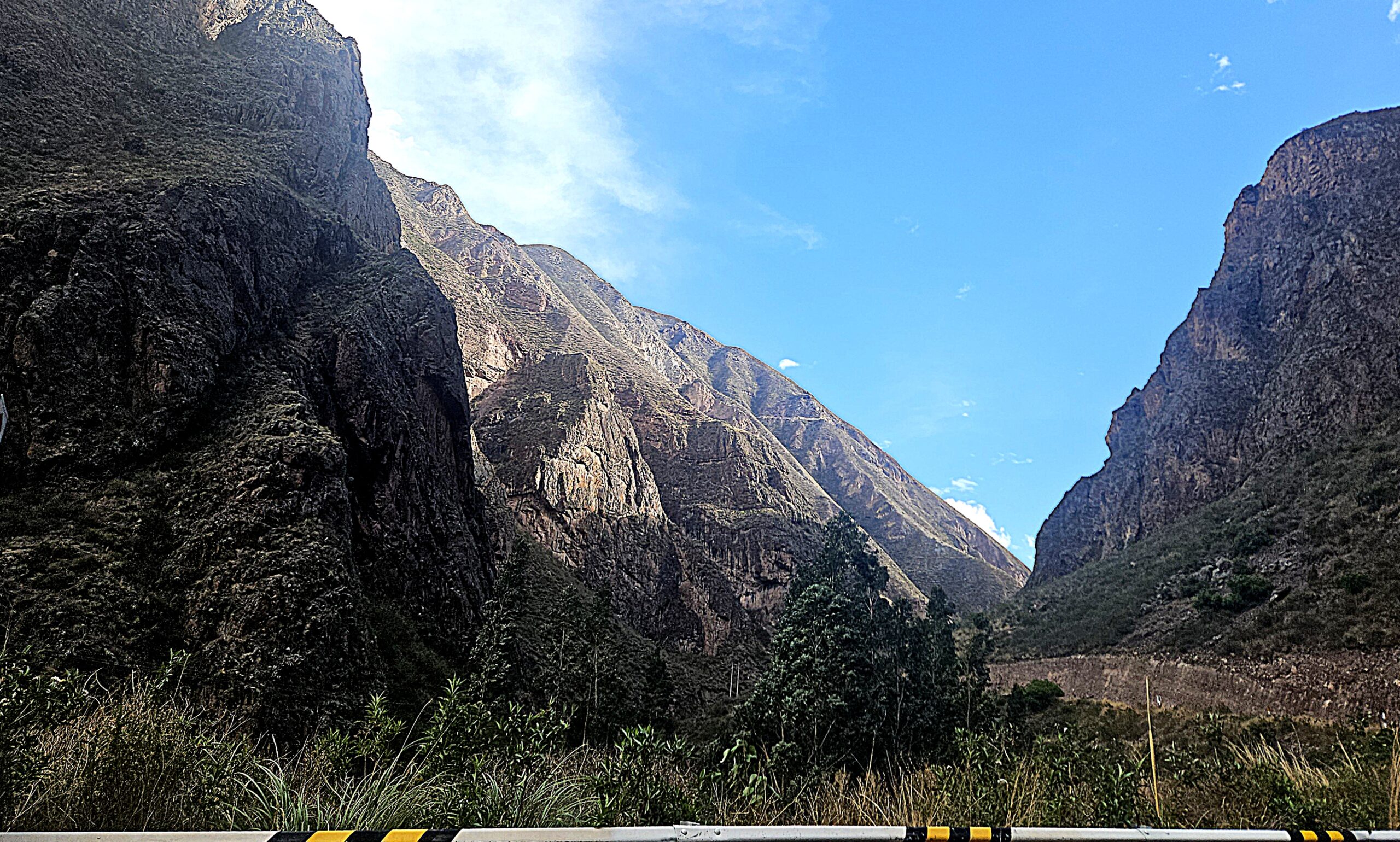
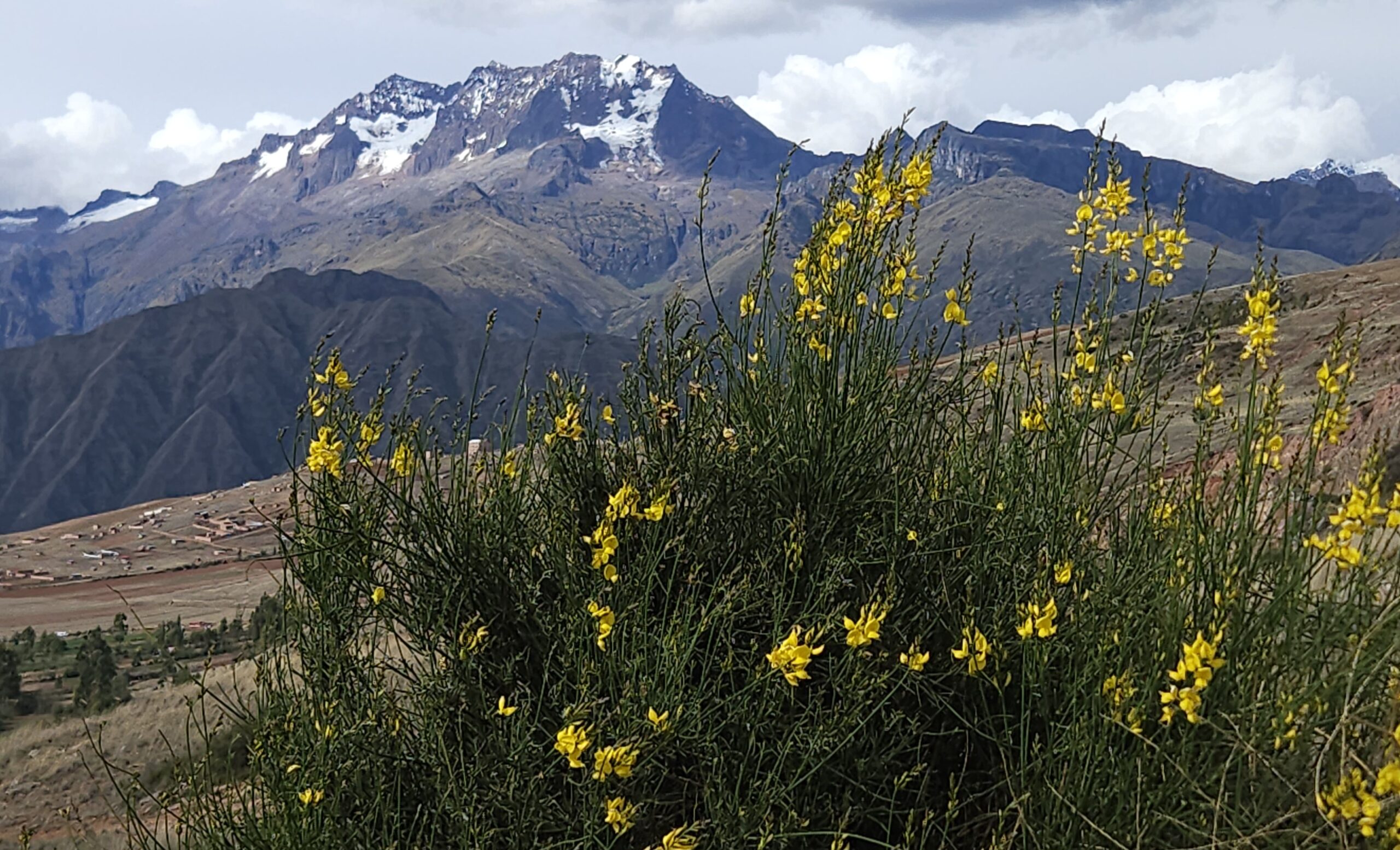
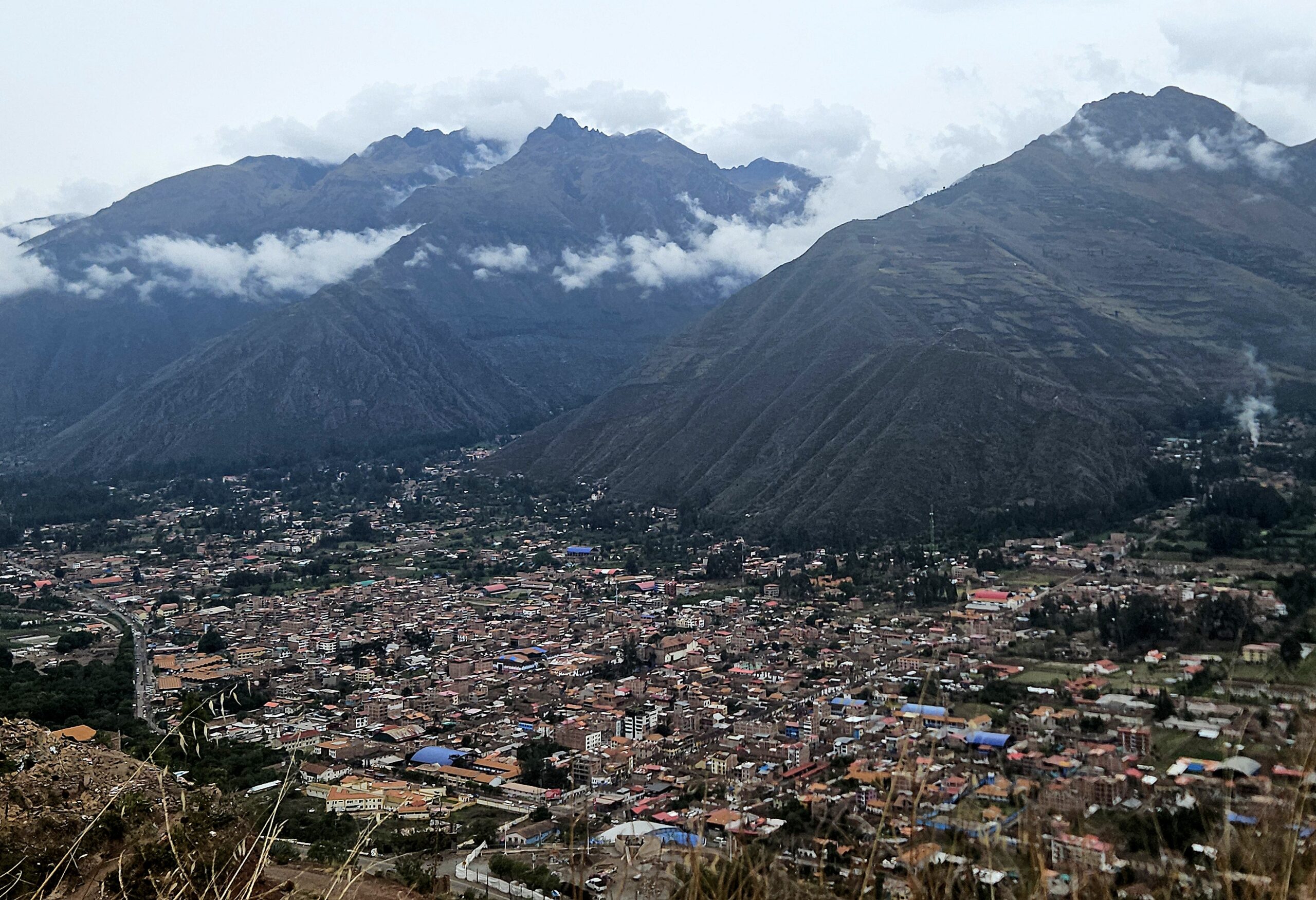 The Sacred Valley lies between the towns of Pisac and Ollantaytambo, northwest of Cusco. The Urubamba River meanders through the valley. Elevations vary from 9,000 ft (2,750 m) on the valley floor to more than 16,000 ft (4,900 m) at the top of the Andes peaks. Sacred Valley’s altitude is lower than that of Cusco’s, making it a great place to adapt to the altitude. Some of the more interesting villages are Ollantaytambo, Urubamba, Pisac, and Chinchero. Each with unique personalities; many with Incan ruins. Chincero is the central village for textiles in the area.
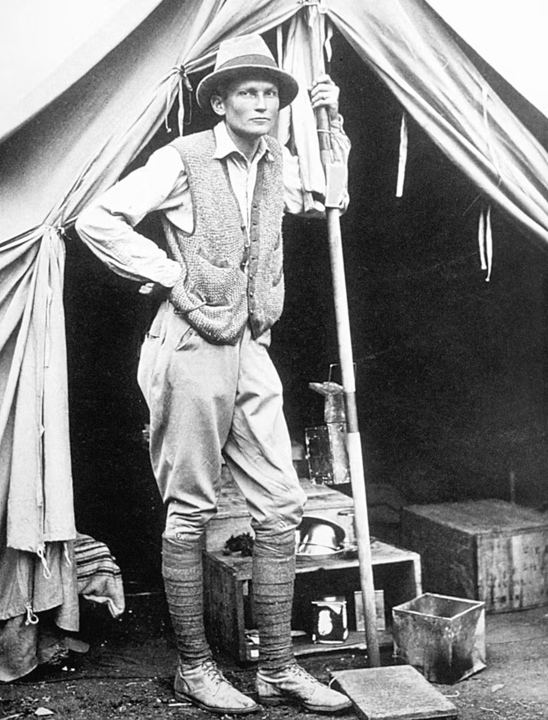
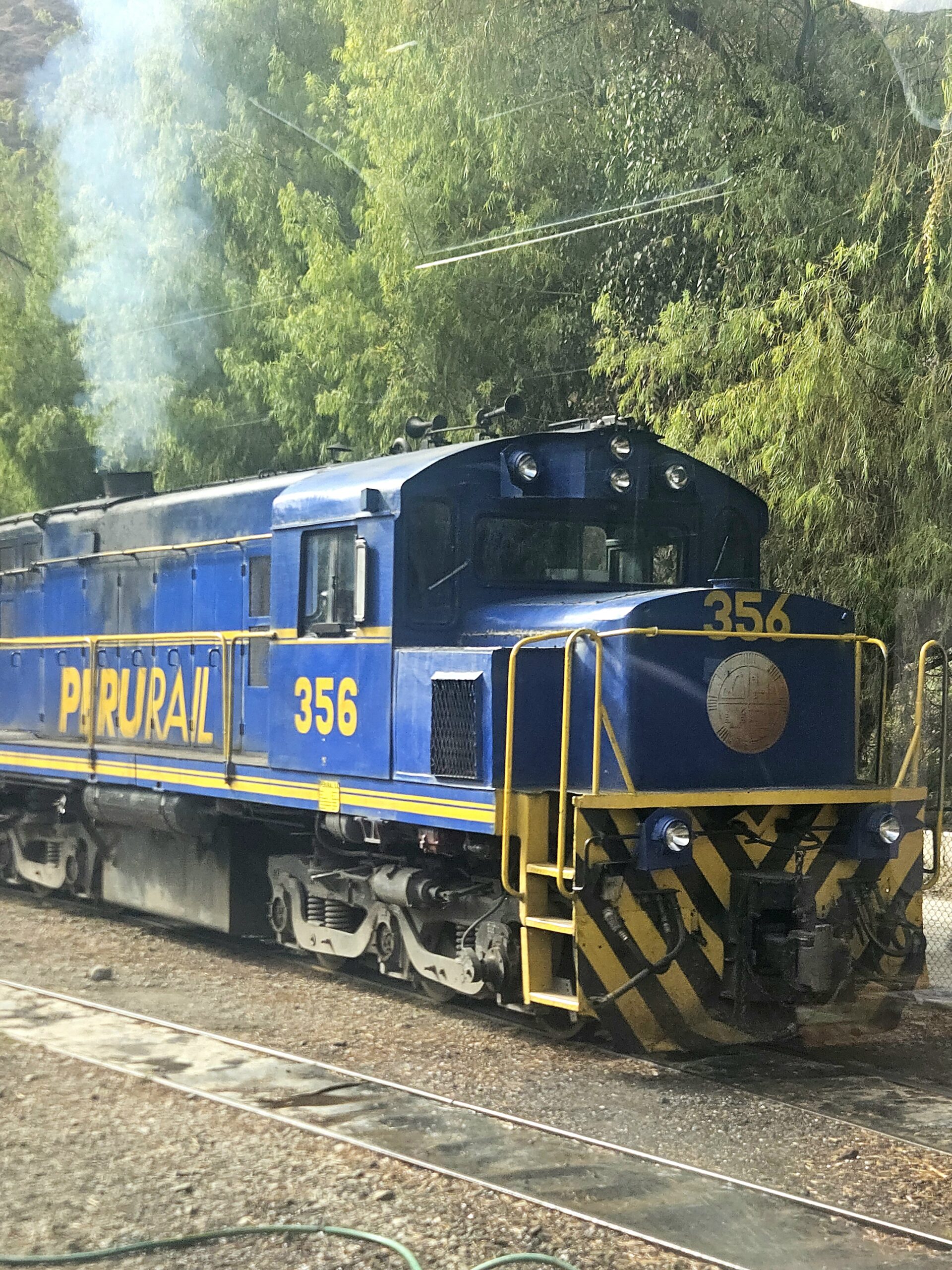 The history of the Sacred Valley fuses closely with the Incan capital city of Cusco and Machu Picchu. The Incan Empire began its rise in the 13th century, reached its peak in the 15th century, and fell to Spanish conquistadors in the 16th. The Incans stretched across Peru and into Bolivia, Ecuador, Chile, Argentina and Colombia. Cusco was the seat of power, where the king resided. The neighboring fields of the Sacred Valley fed the civilization, producing large assortments of grains, fruits and vegetables. During this period Incan stonemasons constructed spiritual temples and settlements in the valley. Today, you can visit archaeological sites in Pisac, Ollantaytambo and Chinchero. Very early in the 20th century Yale historian and professor Hiram Bingham reached the ruins of Machu Picchu. National Geographic recorded Bingham’s expedition and focused the world’s attention on this lost city covered by jungle. In 1999 PeruRail began offering tourists train service to Machu Picchu. Today, tourism in the Sacred Valley is stretching what the infrastructure can handle. UNESCO, local movements and projects are at work to help preserve the ancient Quechua traditions.
Here some of the most unique villages in the Sacred Valley followed by Machu Picchu and Cusco:
Chinchero
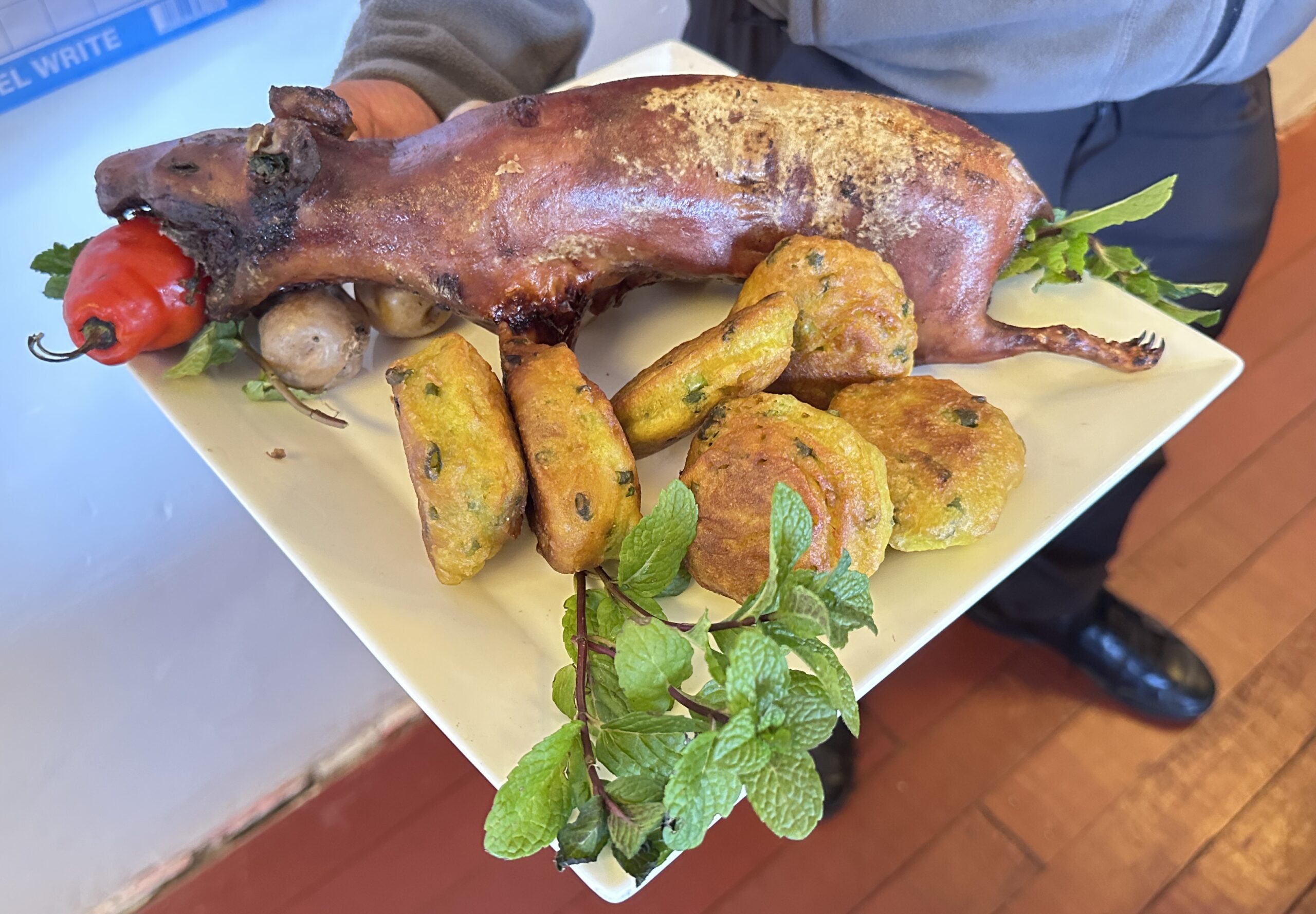
Photo by John Shay
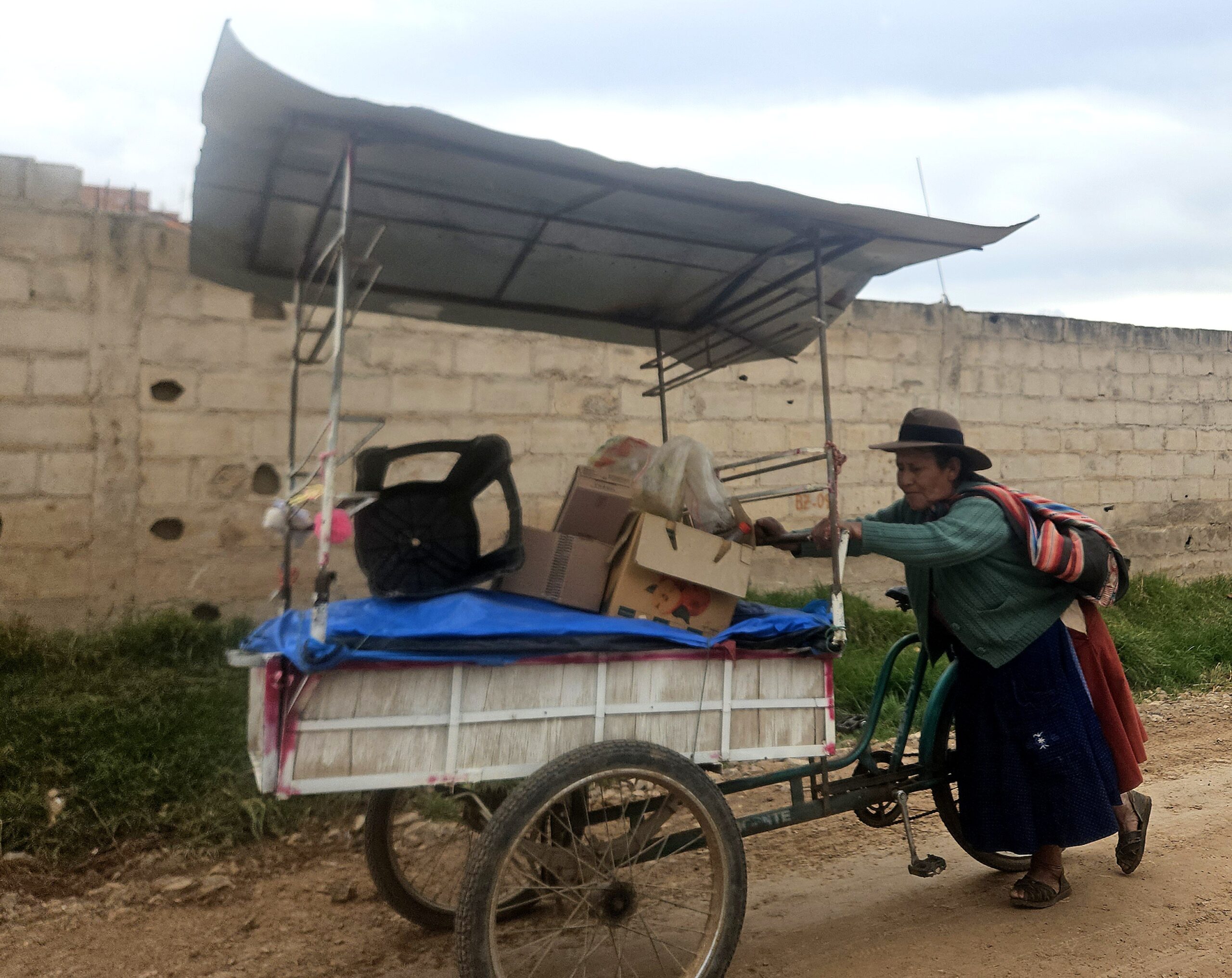
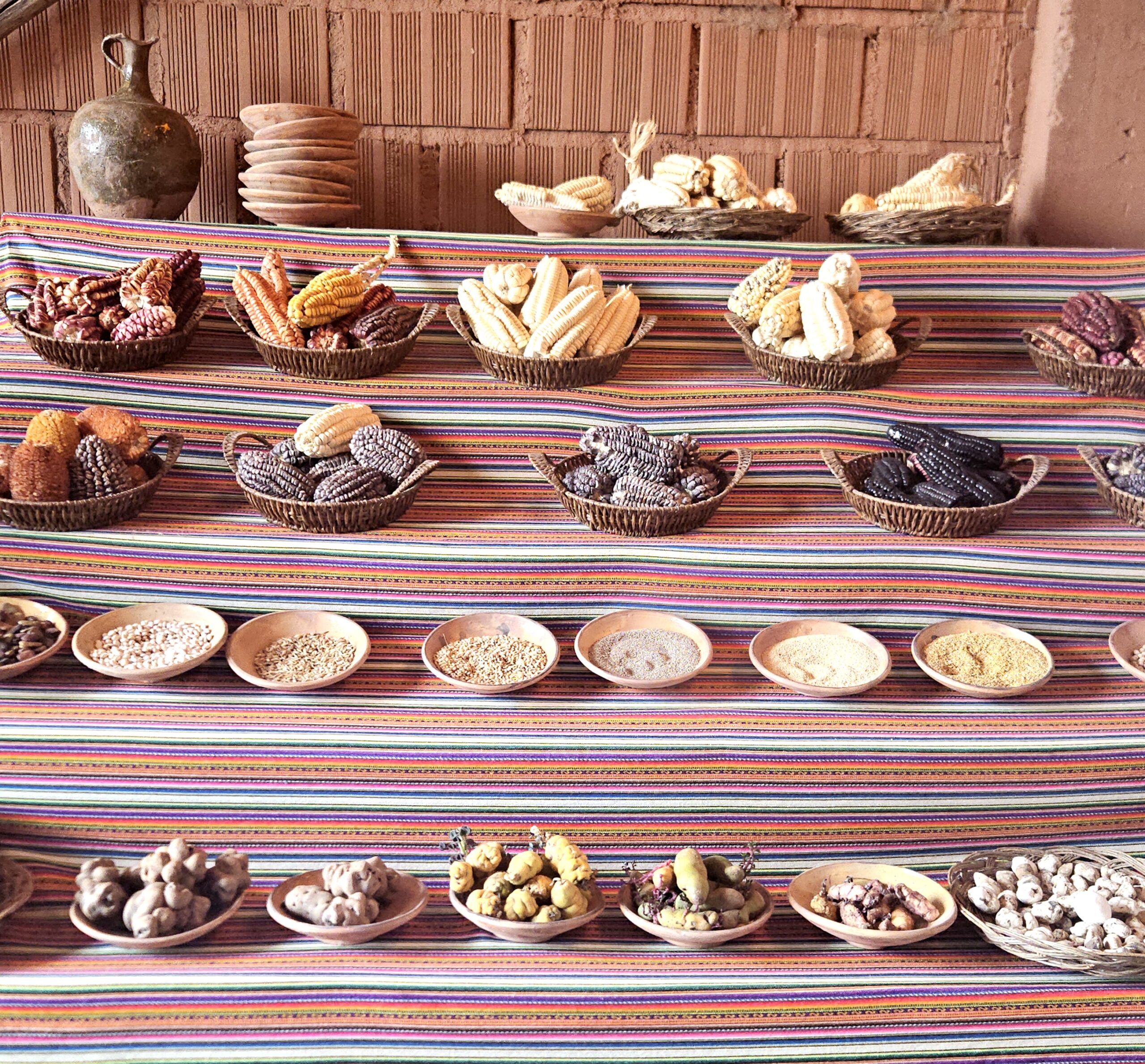
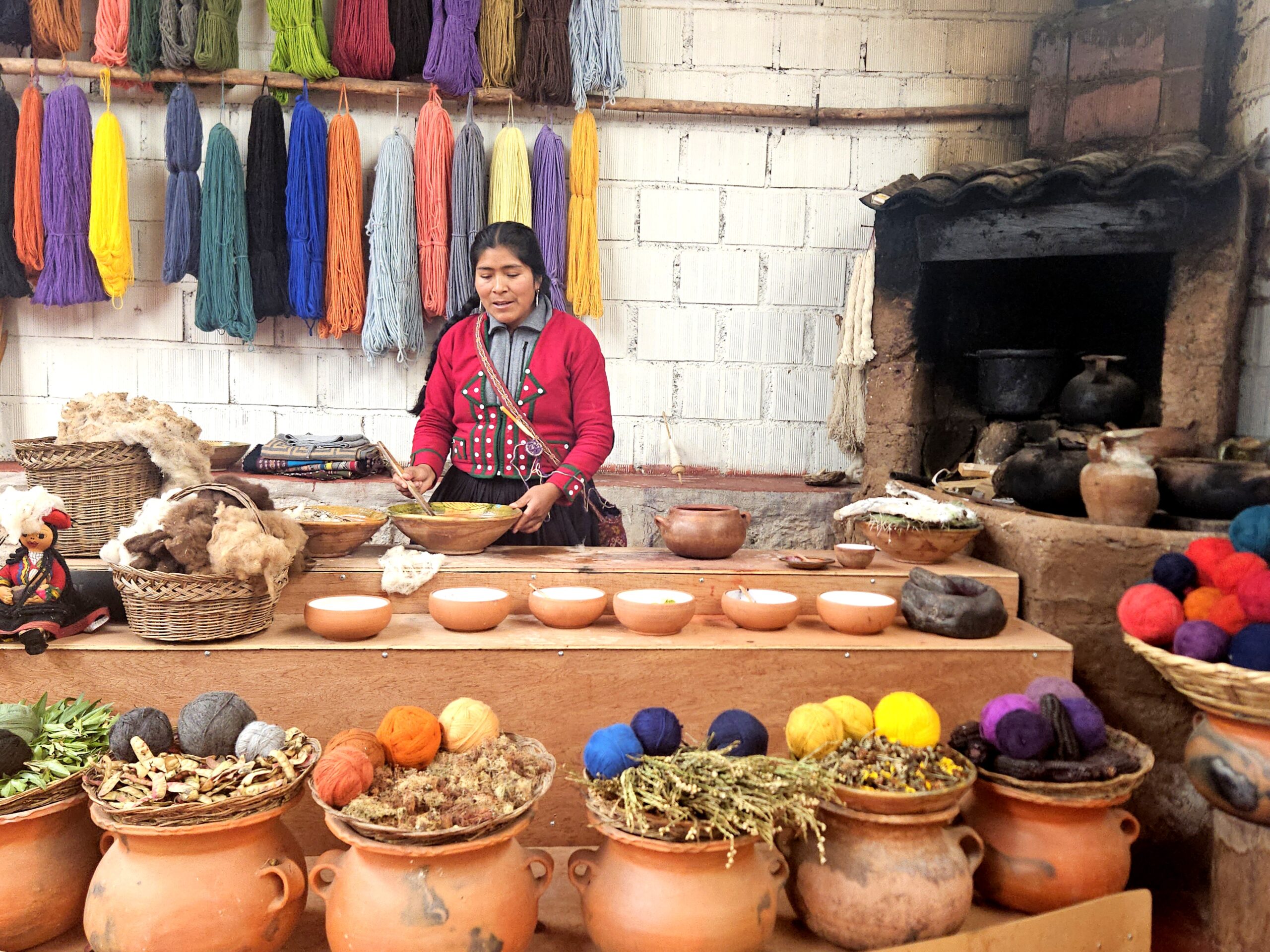
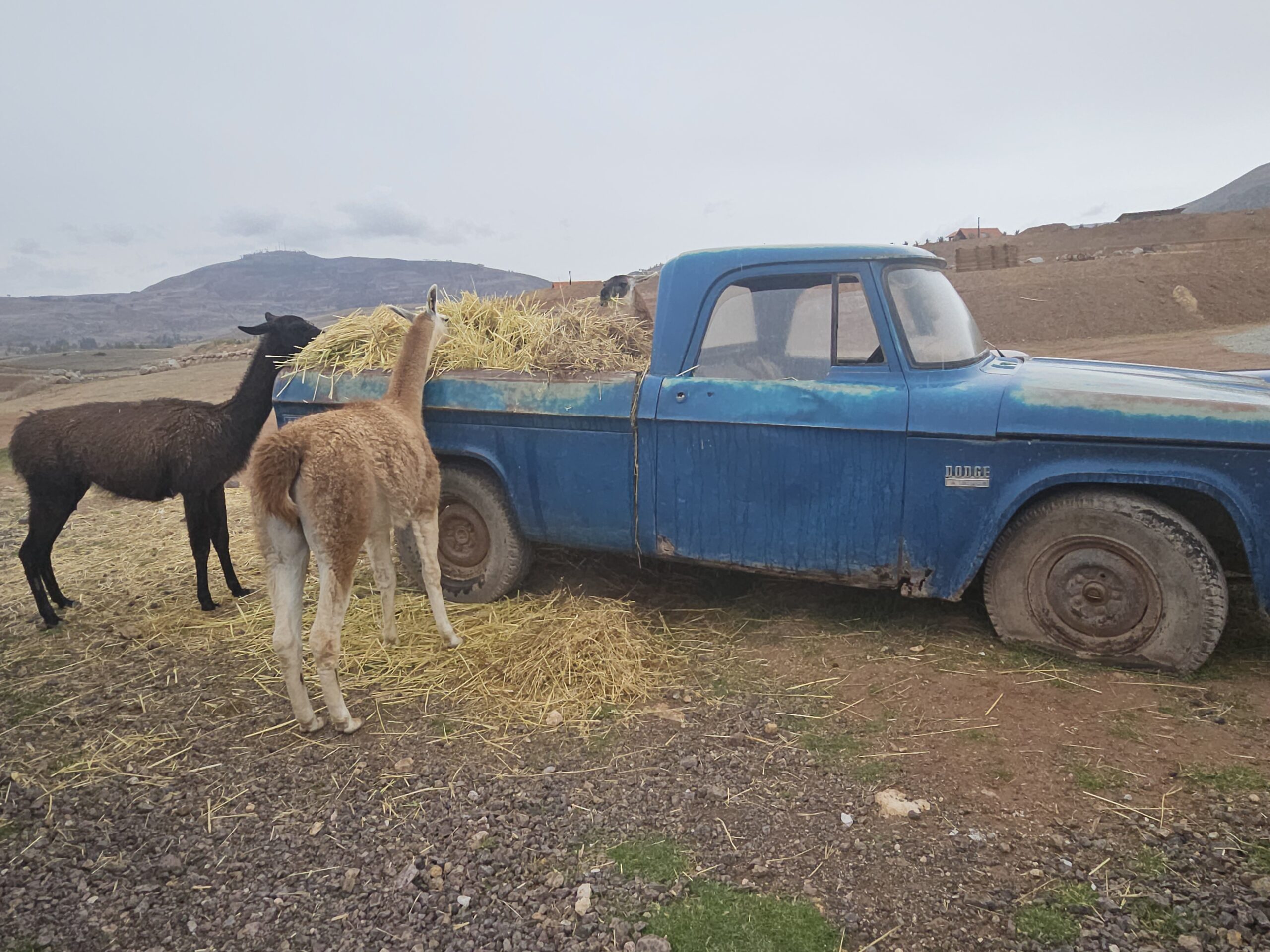
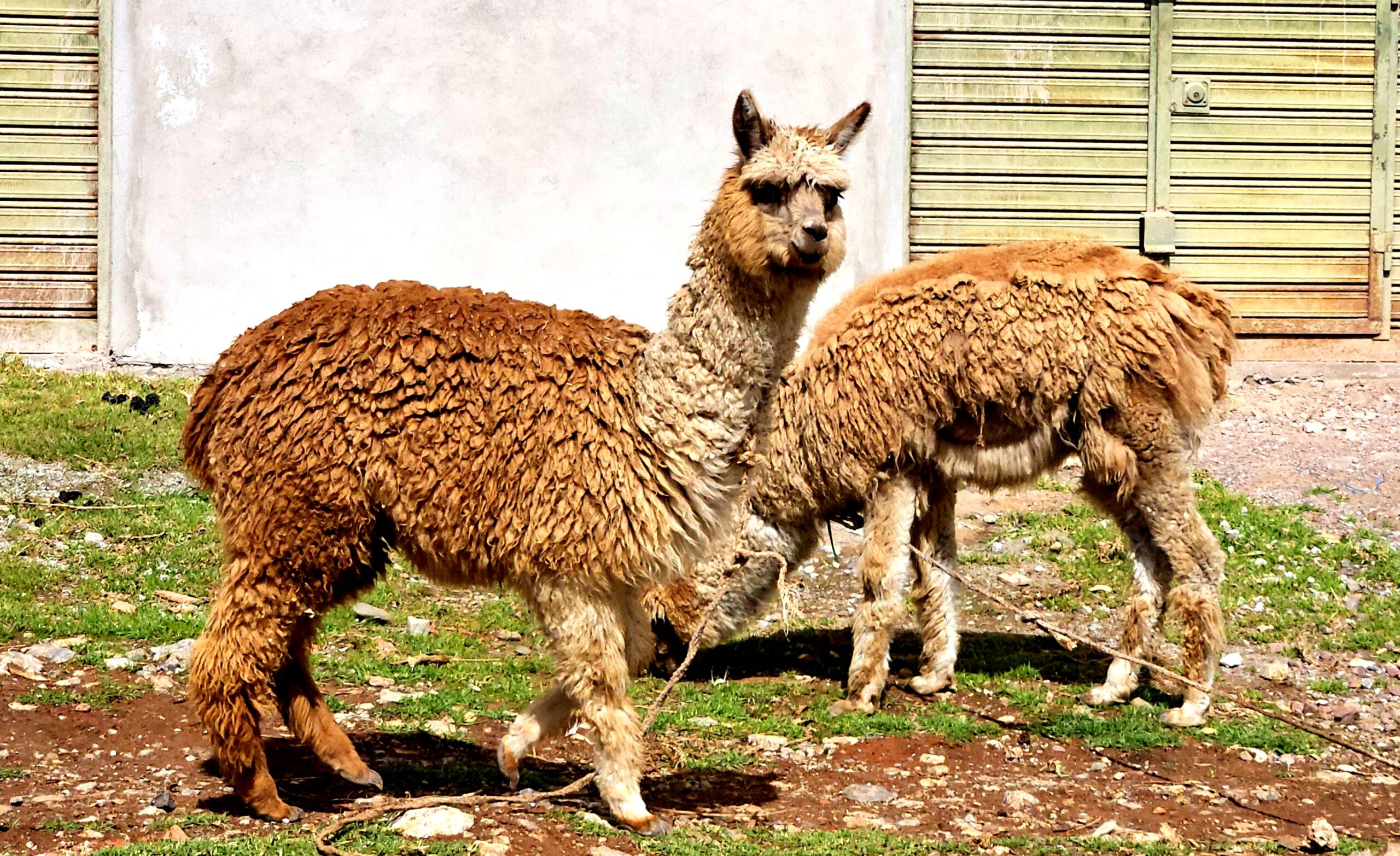 Chinchero is typically rather relaxed, but Sundays—market days—are quite lively, with dealers offering local crafts and farm products. We stopped at a dealer of shawls and textile products, and were treated to a demonstration of applying natural dyes to Alpacan wool. Alpacas were available for petting. So was a pen of cute guinea pigs, destined, alas, for someone’s dinner table—a delicacy in Peru. Also, you cannot miss the traditional dress of ladies in braids and in hats walking through the streets here. Andean weaving is featured throughout the Sacred Valley—nowhere more so than in Chinchero.
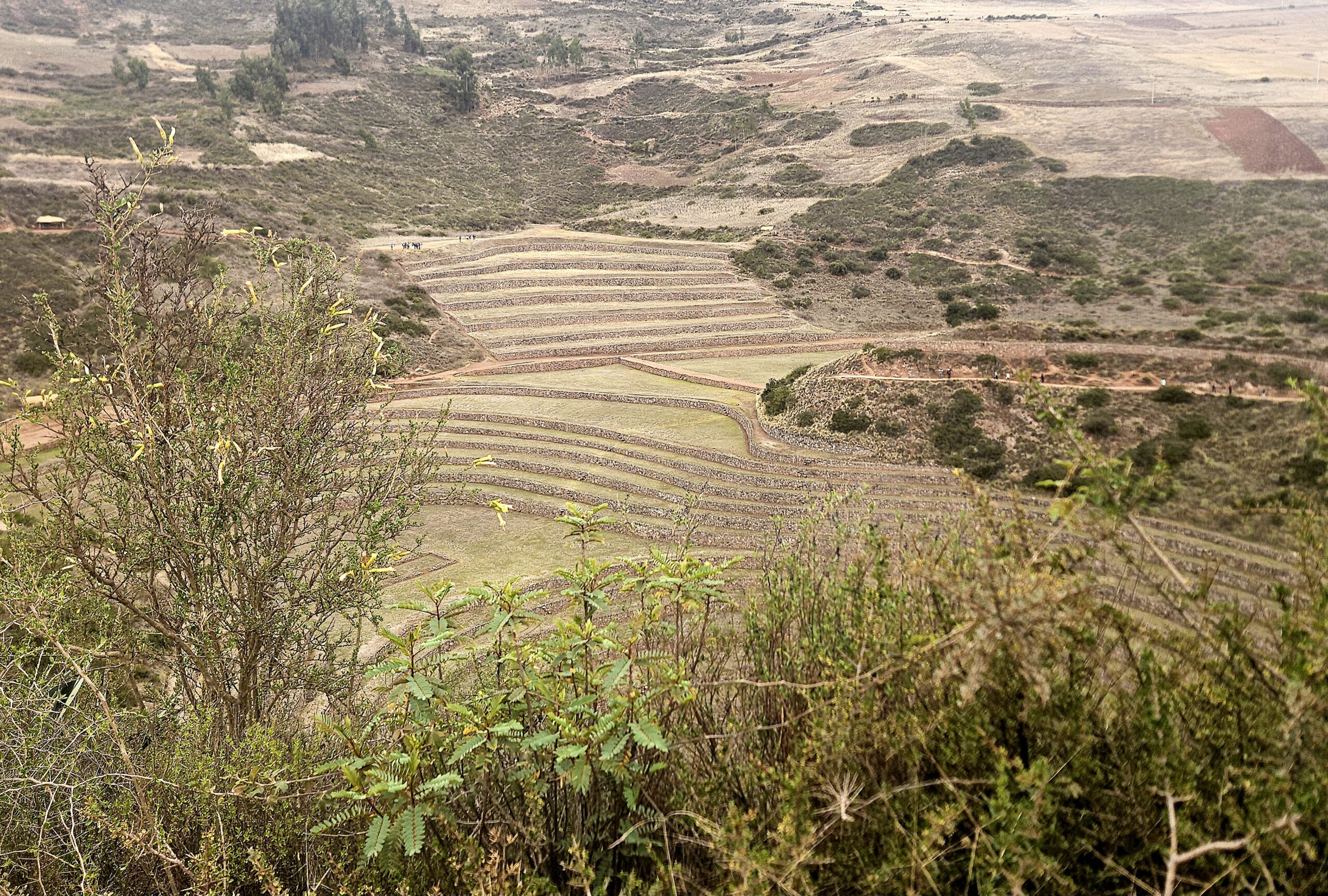
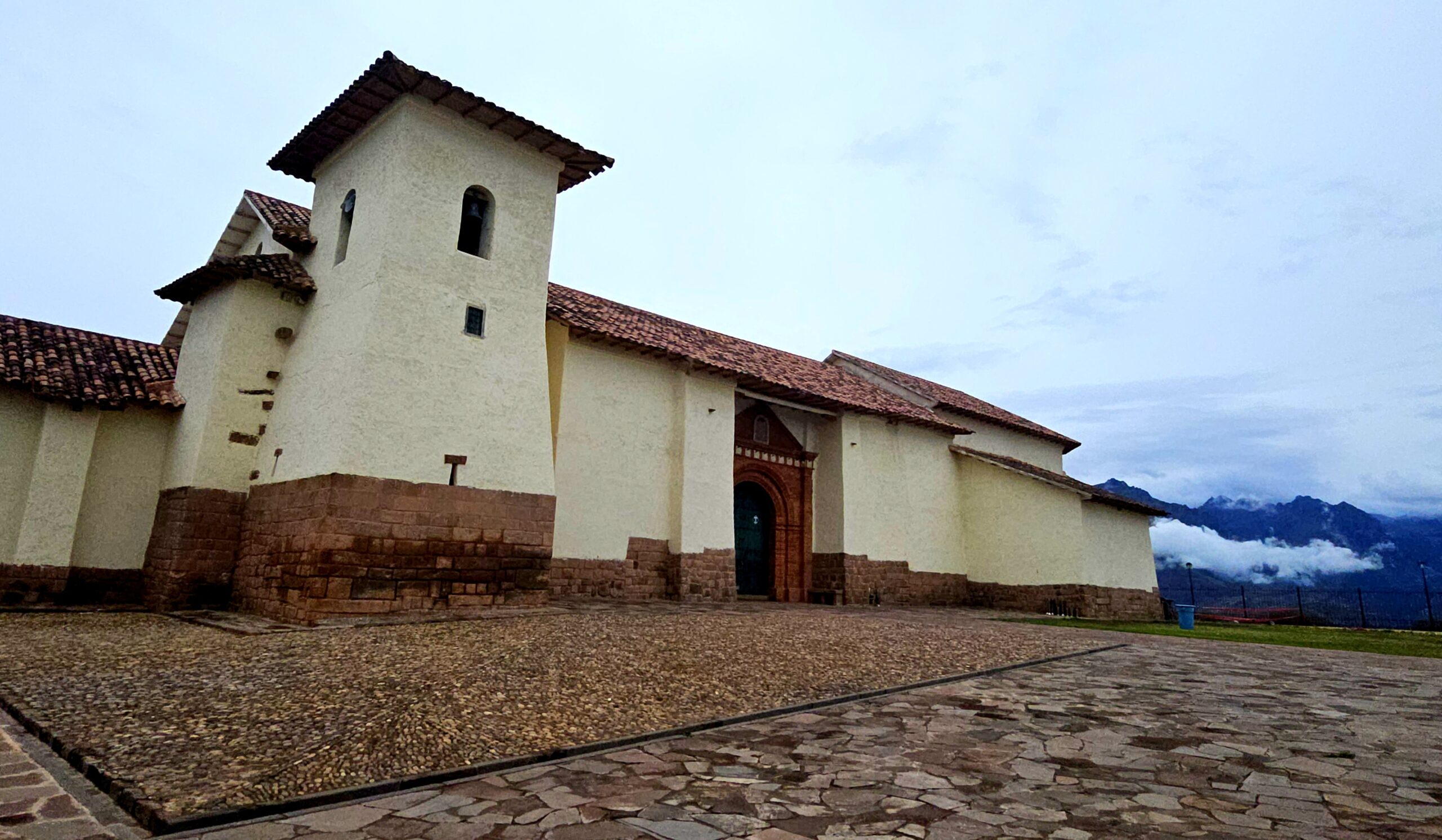
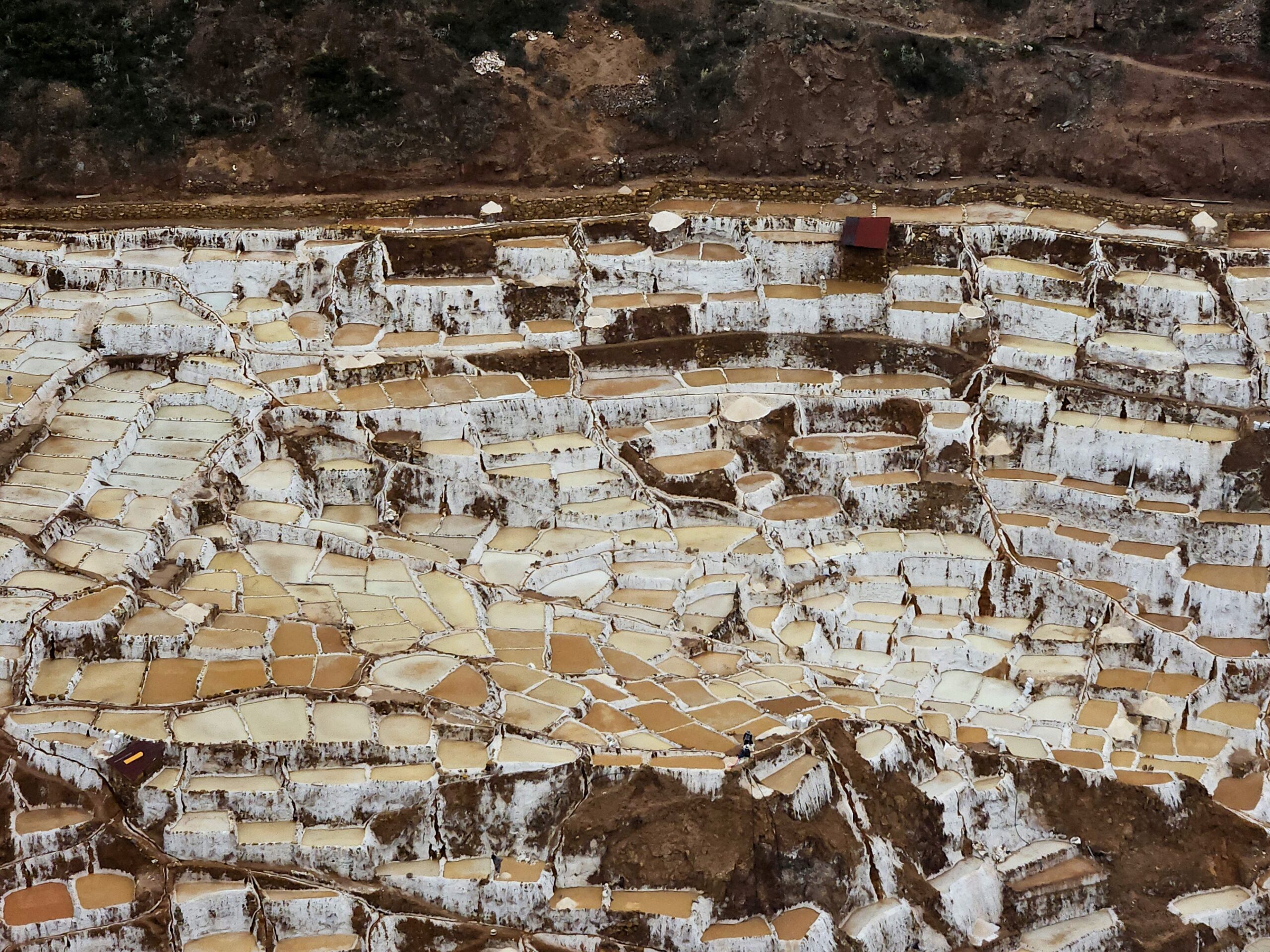 Between Ollantaytabo and Chinchero are Moray and Maras. Moray is known for its unique concentric agriculture terraces which were designed to create different microclimates.It was developed to experiment with crops to see how they would perform in different altitudes and temperatures. It was very much an ancient botanic workshop. Maras is a salt mine known for its pre-Incan salt pans which are terraced. They create a striking view against the hillside. The town of Maras is very charming too with a town square and beautiful church. Both sites are within a quick driving distance of one another.
Pisac
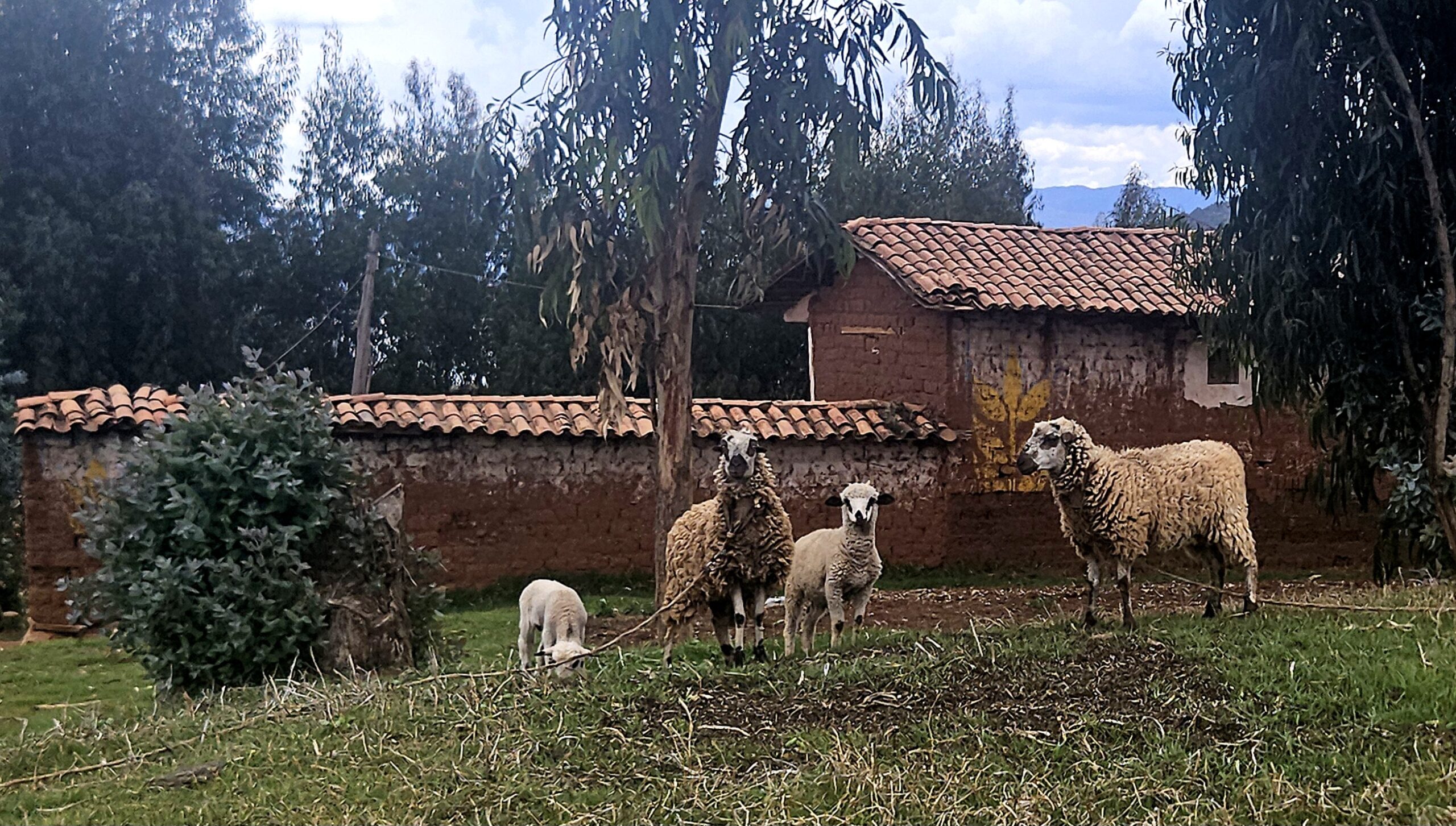 Pisac is primarily known for its ruins and its market. The road from Cusco to Pisac is full of green fields with pigs, sheep and cows grazing in the fields.
 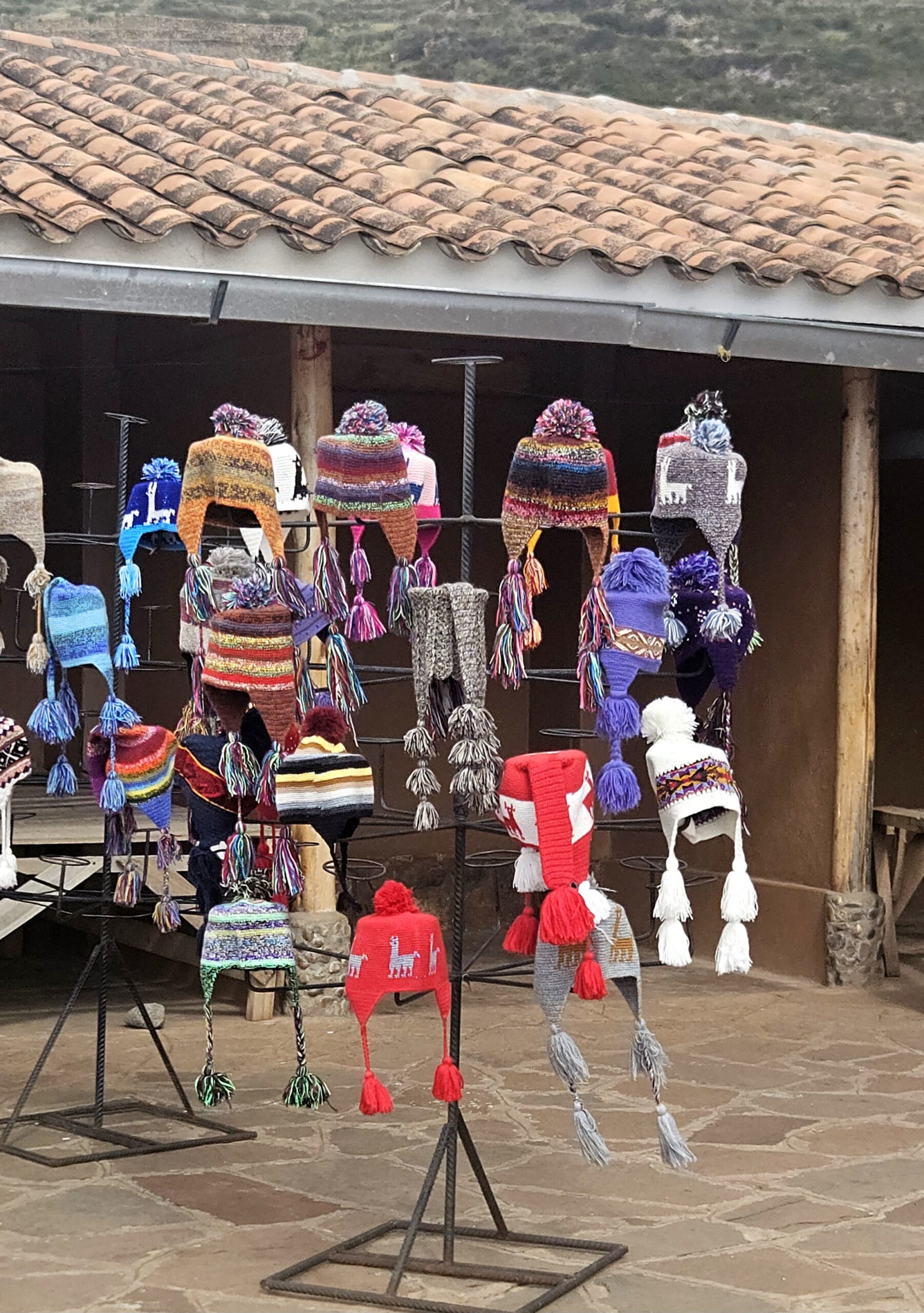 The road meanders through the mountains and plunges downward into the Sacred Valley. Popular days in Pisac are Sundays and Thursdays. In the town’s main plaza, residents of the area sell Andean crafts and farm grown fruits and vegetables. Handmade textiles with natural dyes abound here. Local tourist-oriented vendors display colorful scarves, shawls and hats made of alpaca wool, a specialty in Peru. The Incan archaeological site resting high above town is well worth the visit. The ruins built around 1450 feature agricultural terraces and a temple complex.
Ollantaytambo
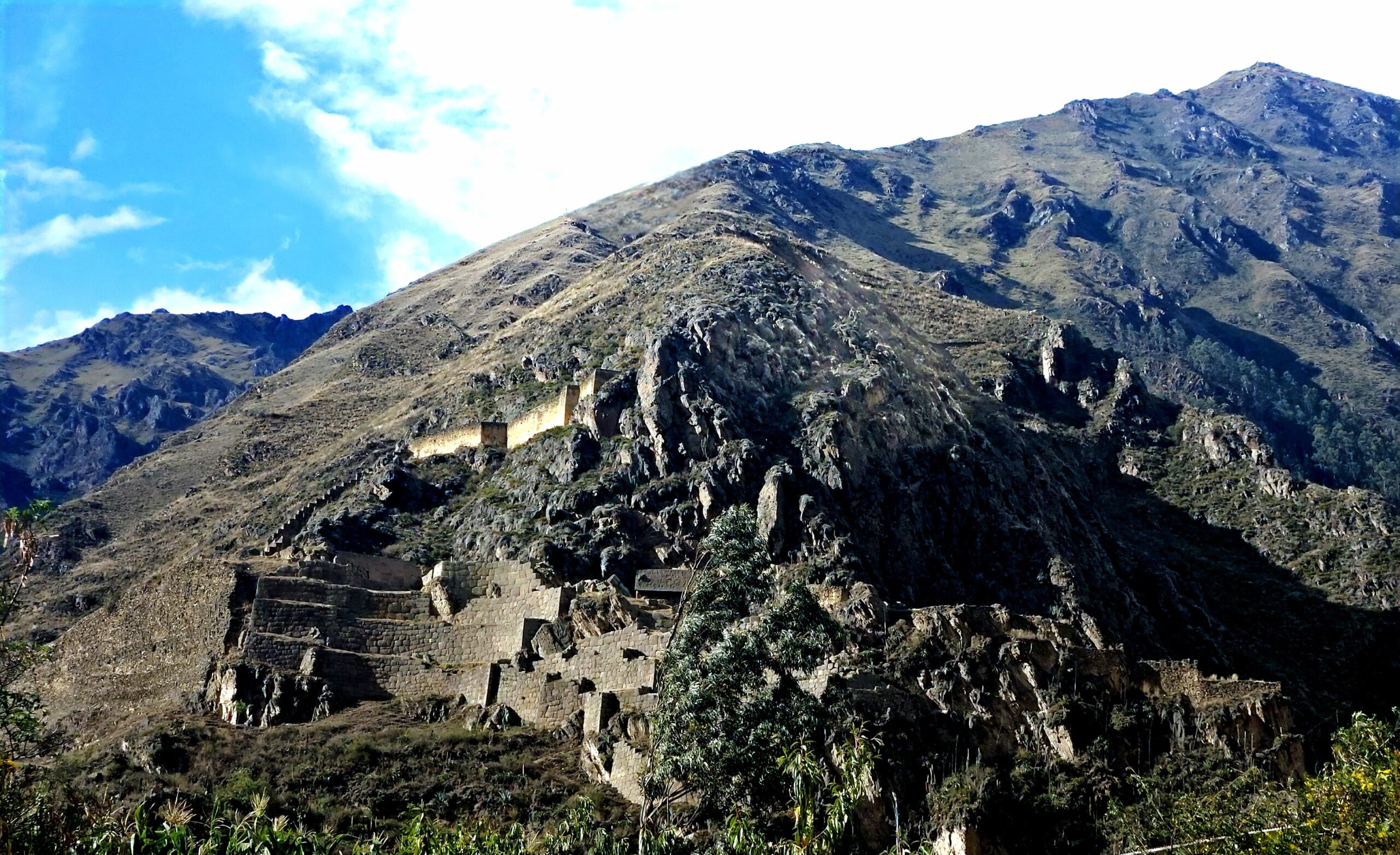
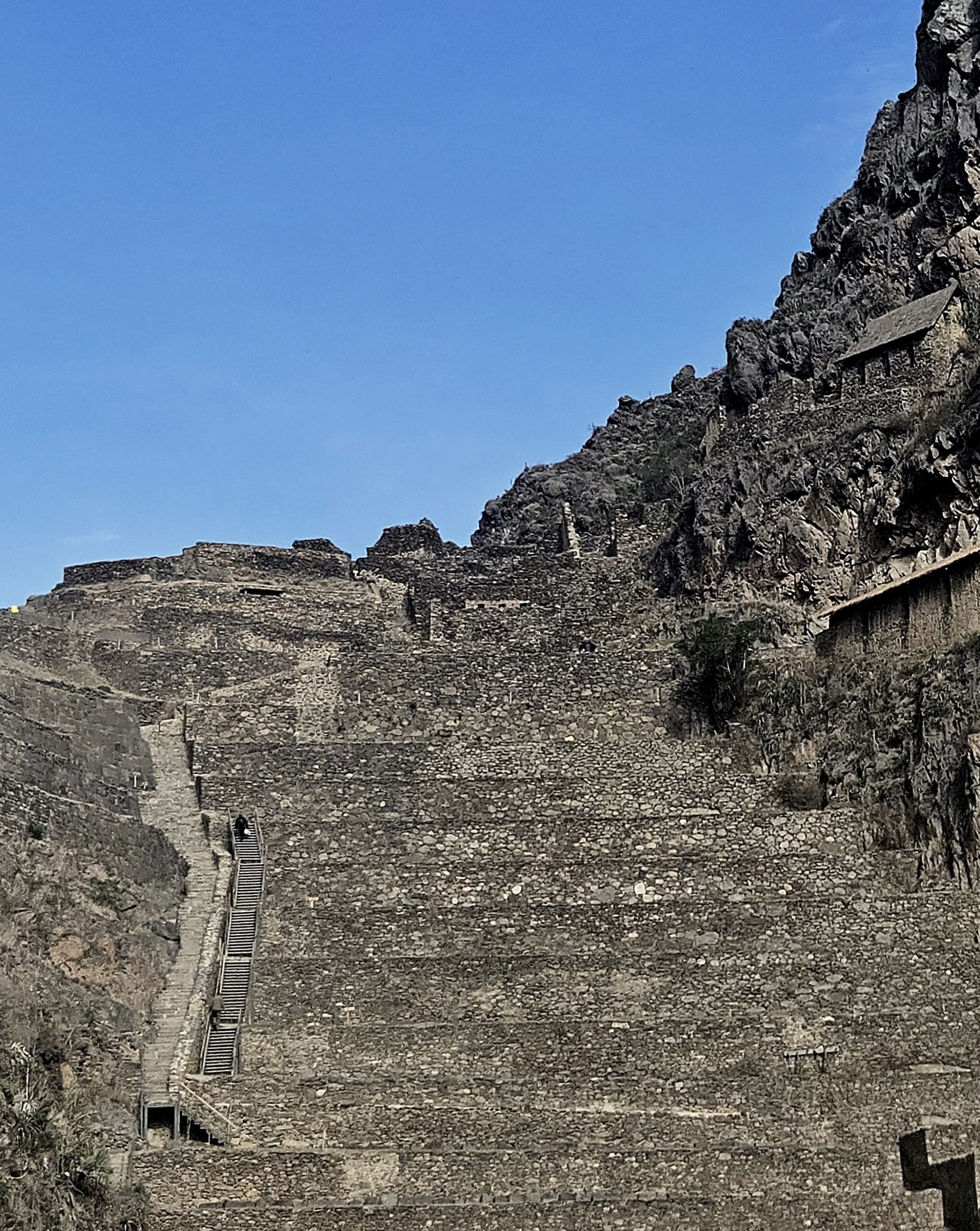
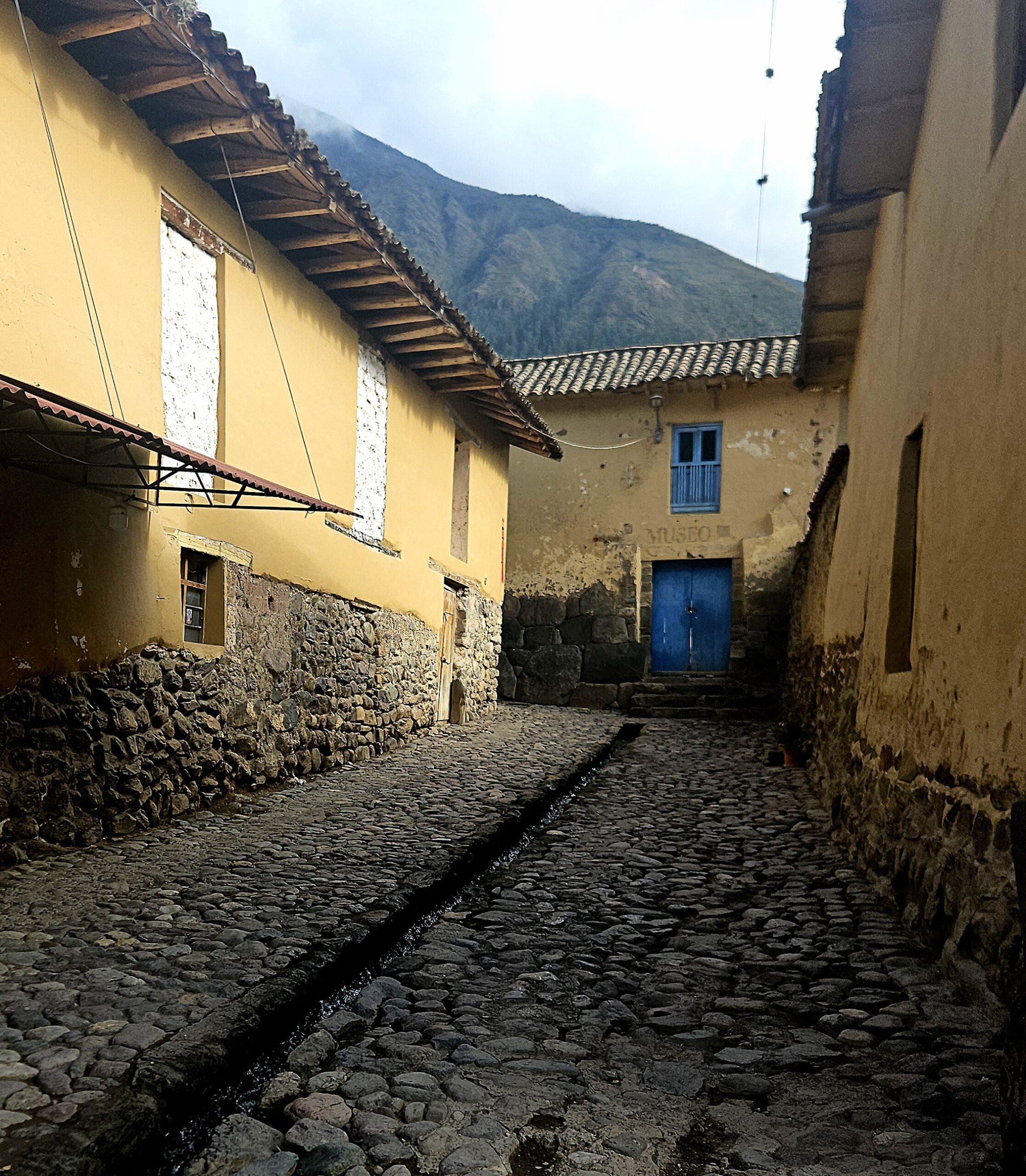 A historic, bustling town whose archeological site is built upon the rise of a narrow mountainside. Steep stone steps ascend to the well-preserved Incan fortress, a UNESCO World Heritage Site. The panoramic views at the top are well worth the steep climb.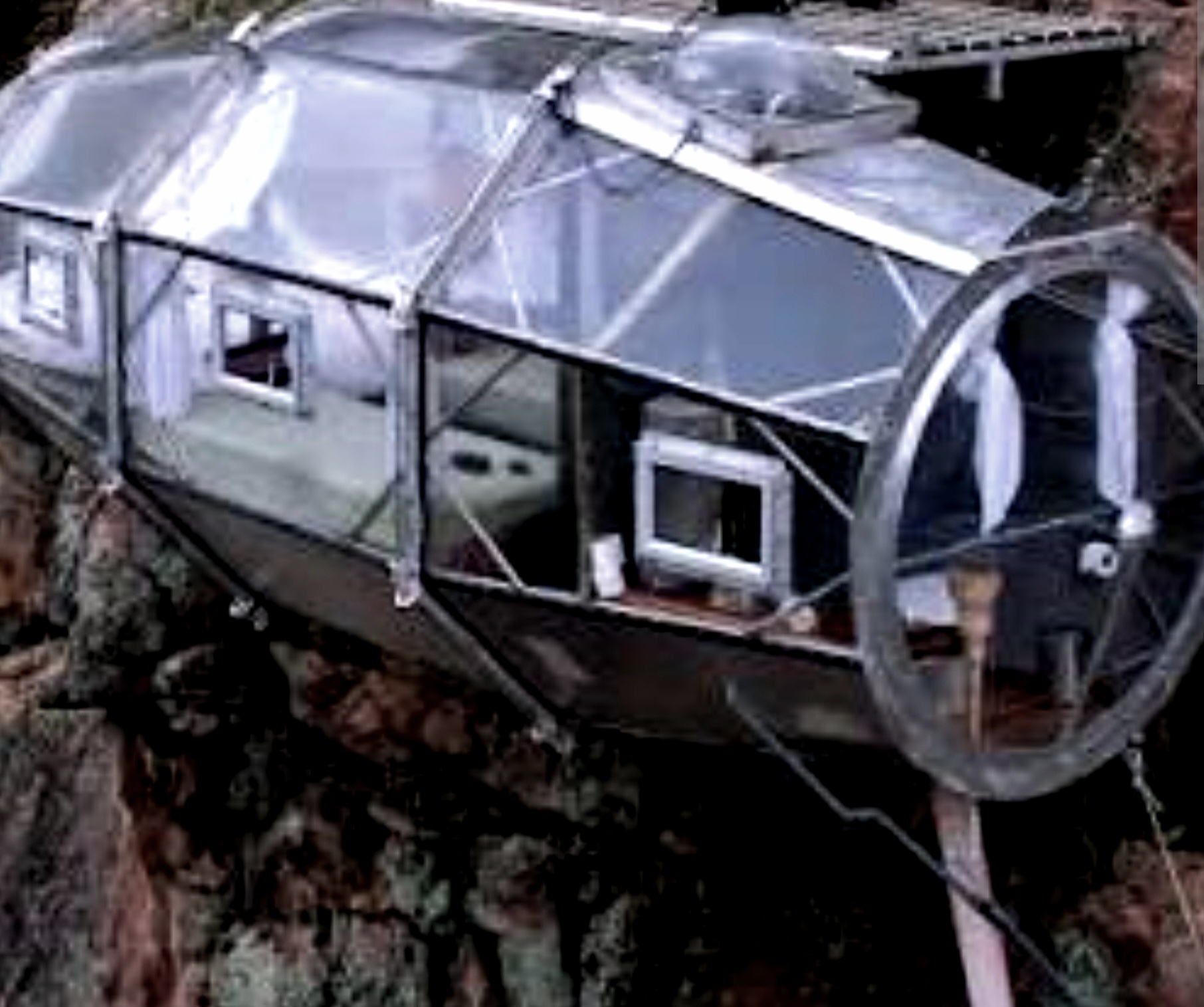
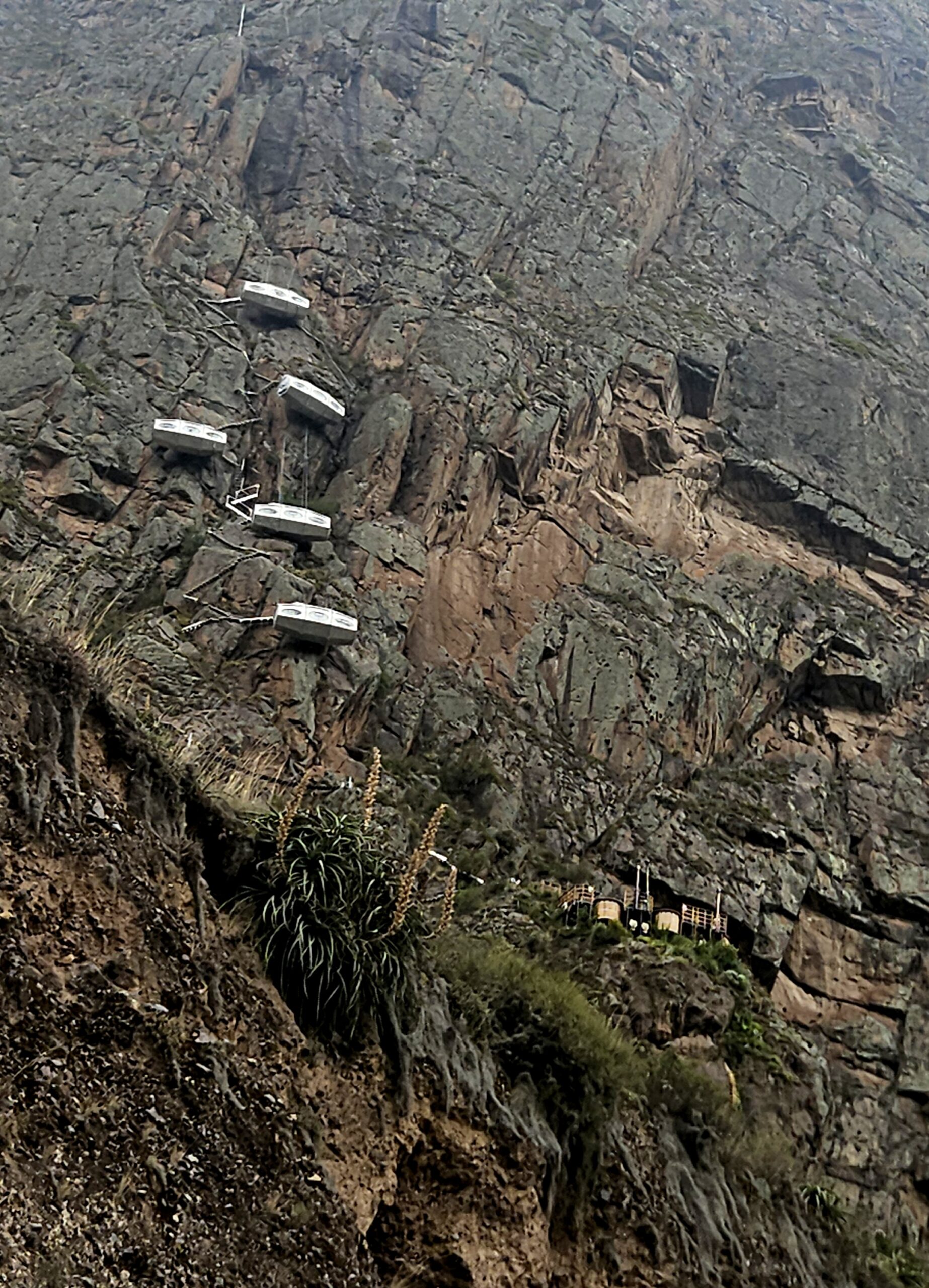 The town is full of great shopping and restaurants. The train station in Ollantaytambo is where travelers catch the train to Machu Picchu. With no direct road to the famous citadel in the Andes, Ollantaytambo is the launching point. En route to the old historic part of town you will pass the Skylodge a hotel which is a series of pods clinging to a cliff face. These transparent luxury capsules have the most remarkable views of the Sacred Valley as well astonishing starry night skies. You can hike up to the pod and take a zipline down to the valley floor. Not the best place to stay if you are nervous about high places!
Urubamba
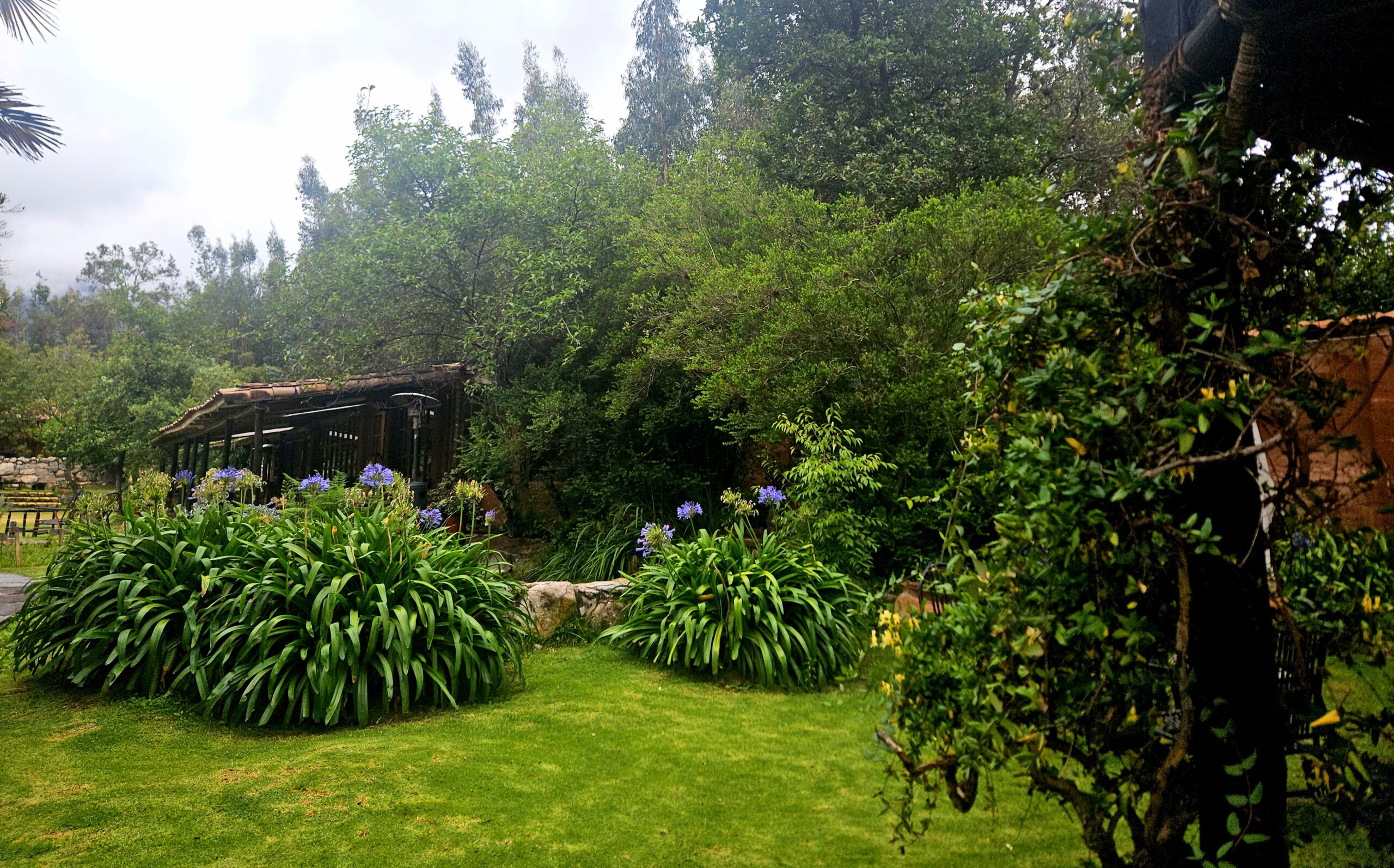
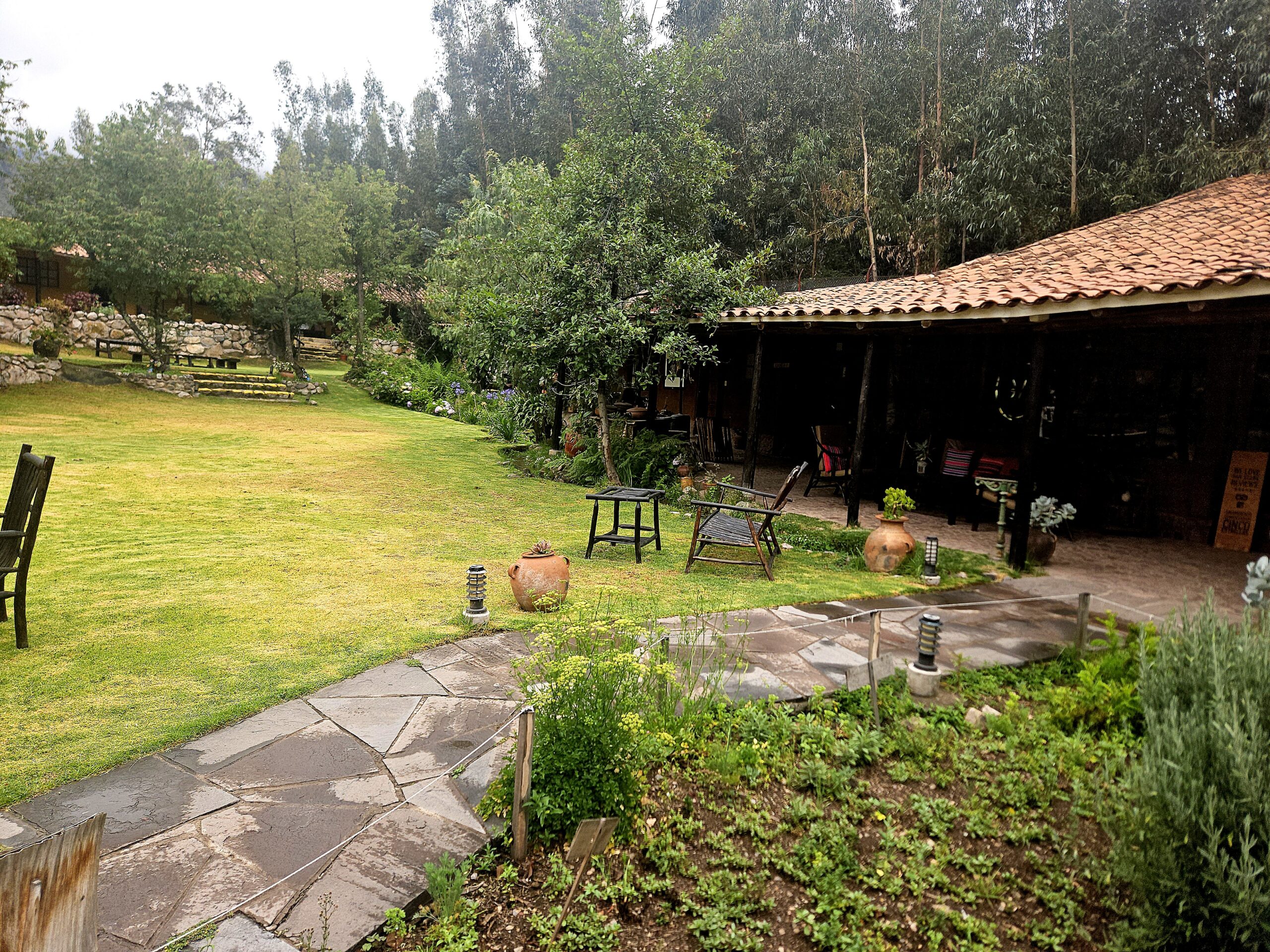 Urubamba does not have ruins but does have a river flowing through beautiful hillsides, and boutique and luxurious resort hotels located along or near the famous Urubamba River. The Urubamba valley is the perfect place to enjoy the beauty of the Sacred Valley at a slower pace and get acclimated to the altitude. Here you can enjoy small, private hotels on garden properties with spa amenities, and landscapes from your hotel room window. It is also a 20-minute drive from Ollaytaytambo, where you catch the train to Machu Picchu. We stayed in the Andean Wings Valley Hotel, in their casita. Loved the extra space the gardens.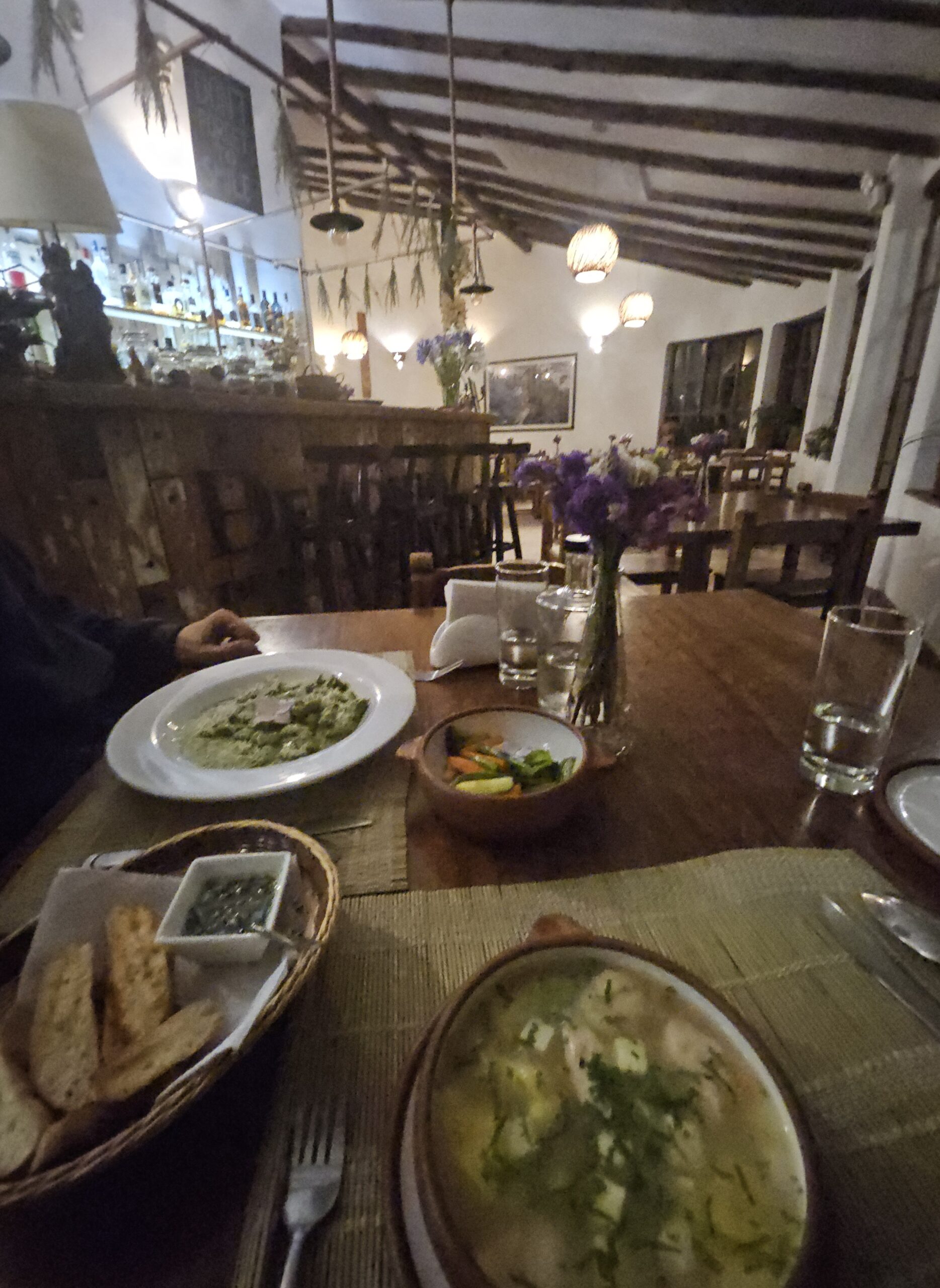
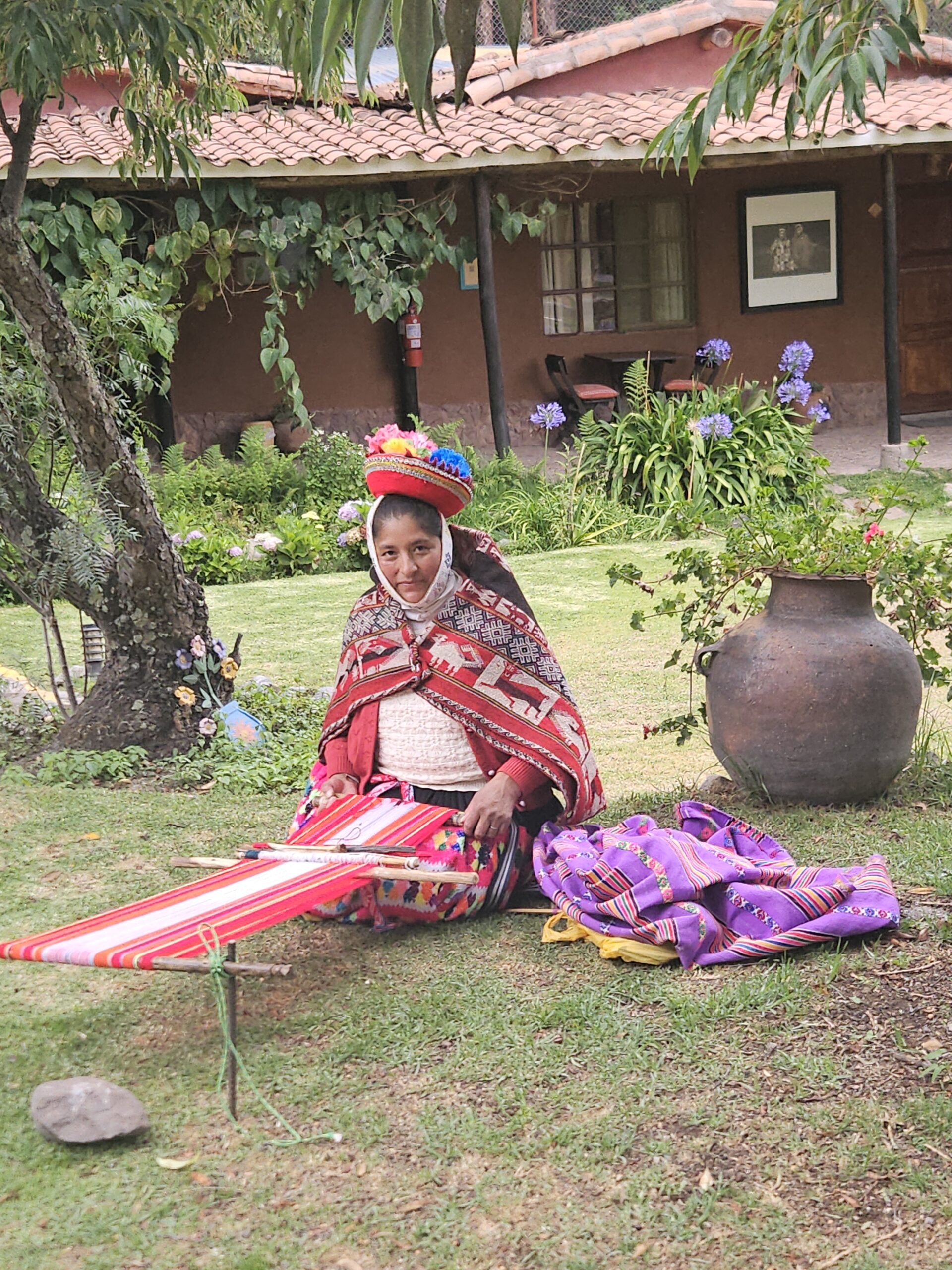
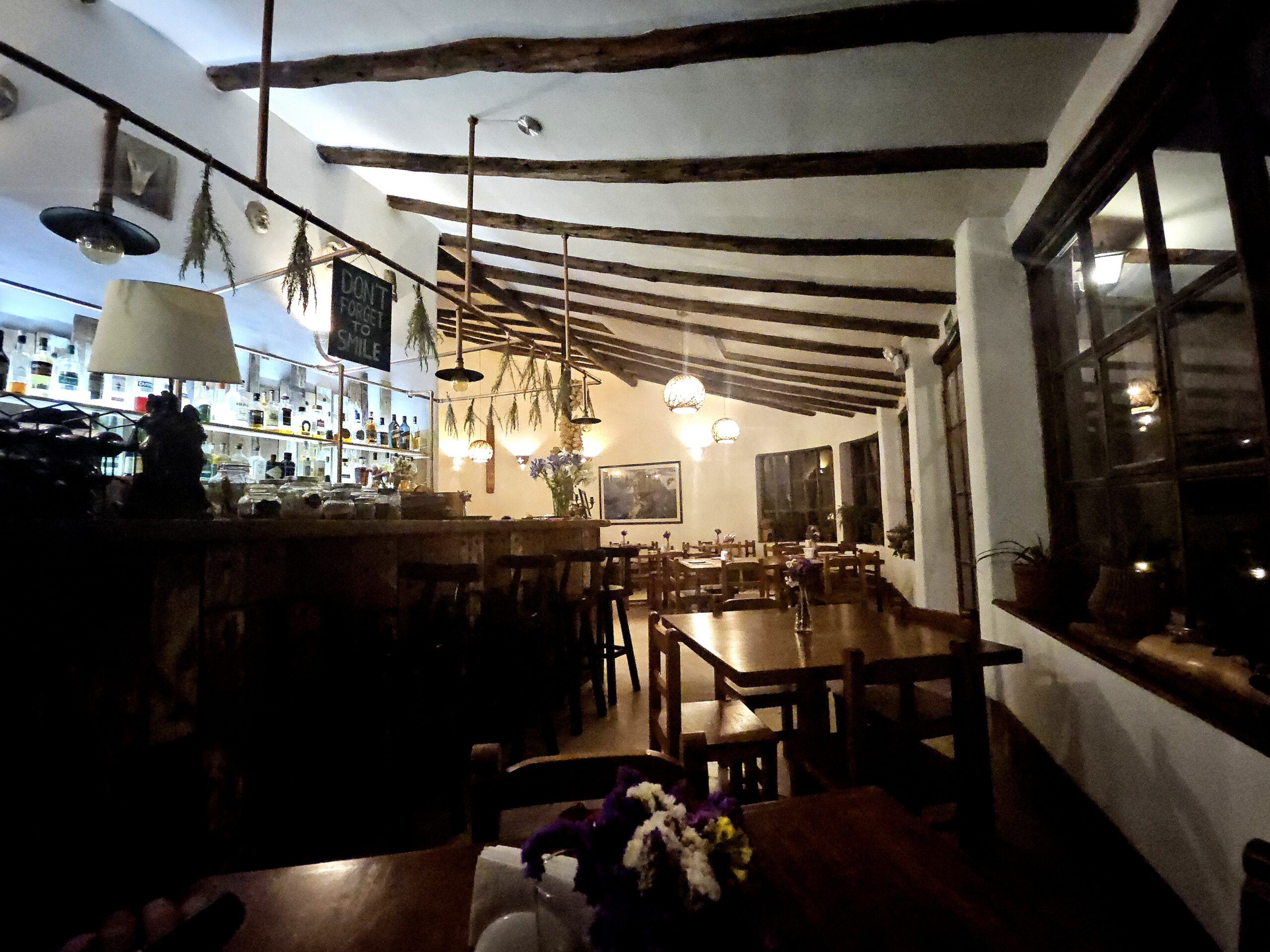 They also had several free cultural events while we stayed here. The restaurant and their kind staff were very helpful. It was one of our favorite places to stay during our whole South American trip.
Cusco
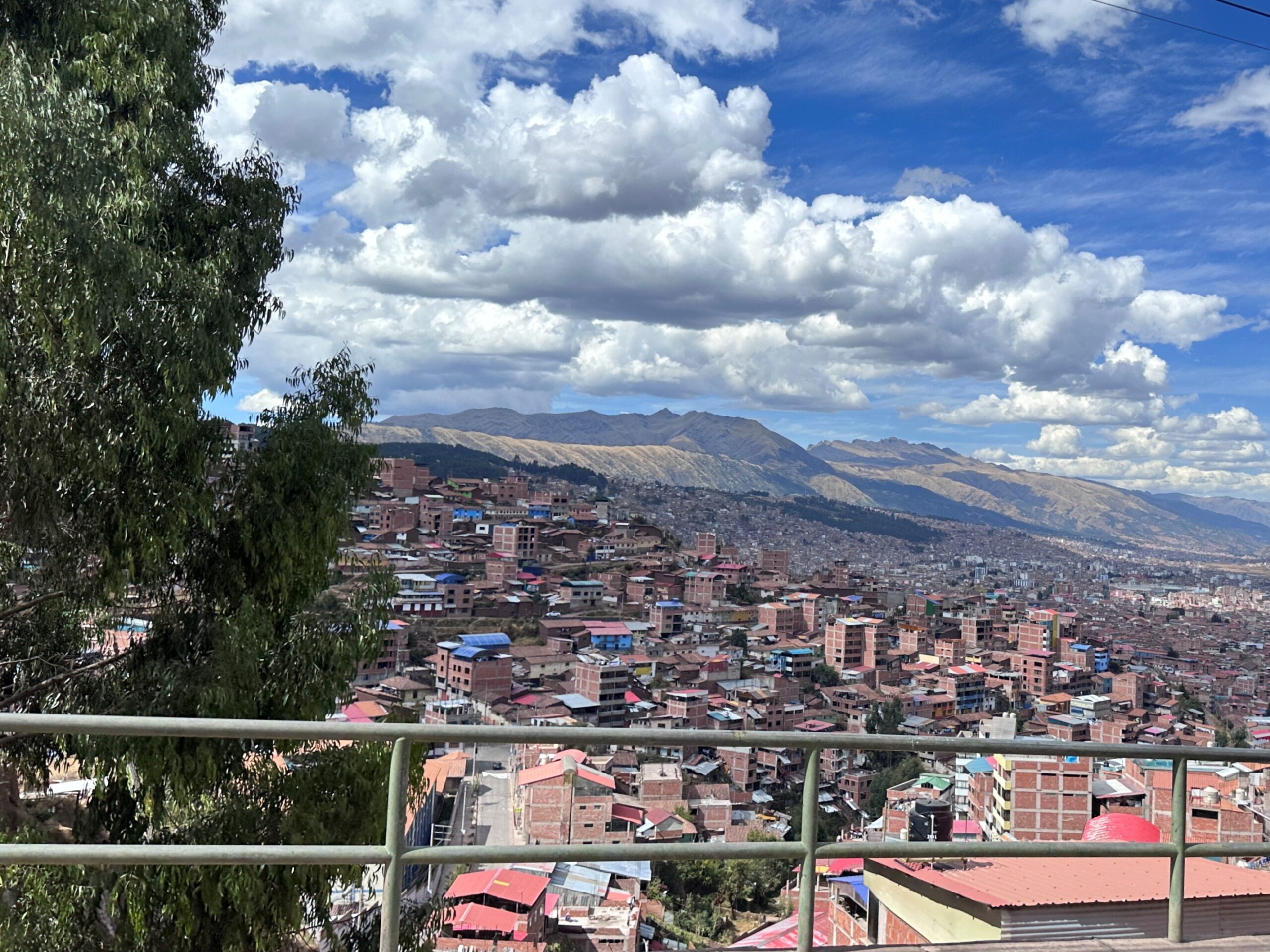
Photo by John Shay
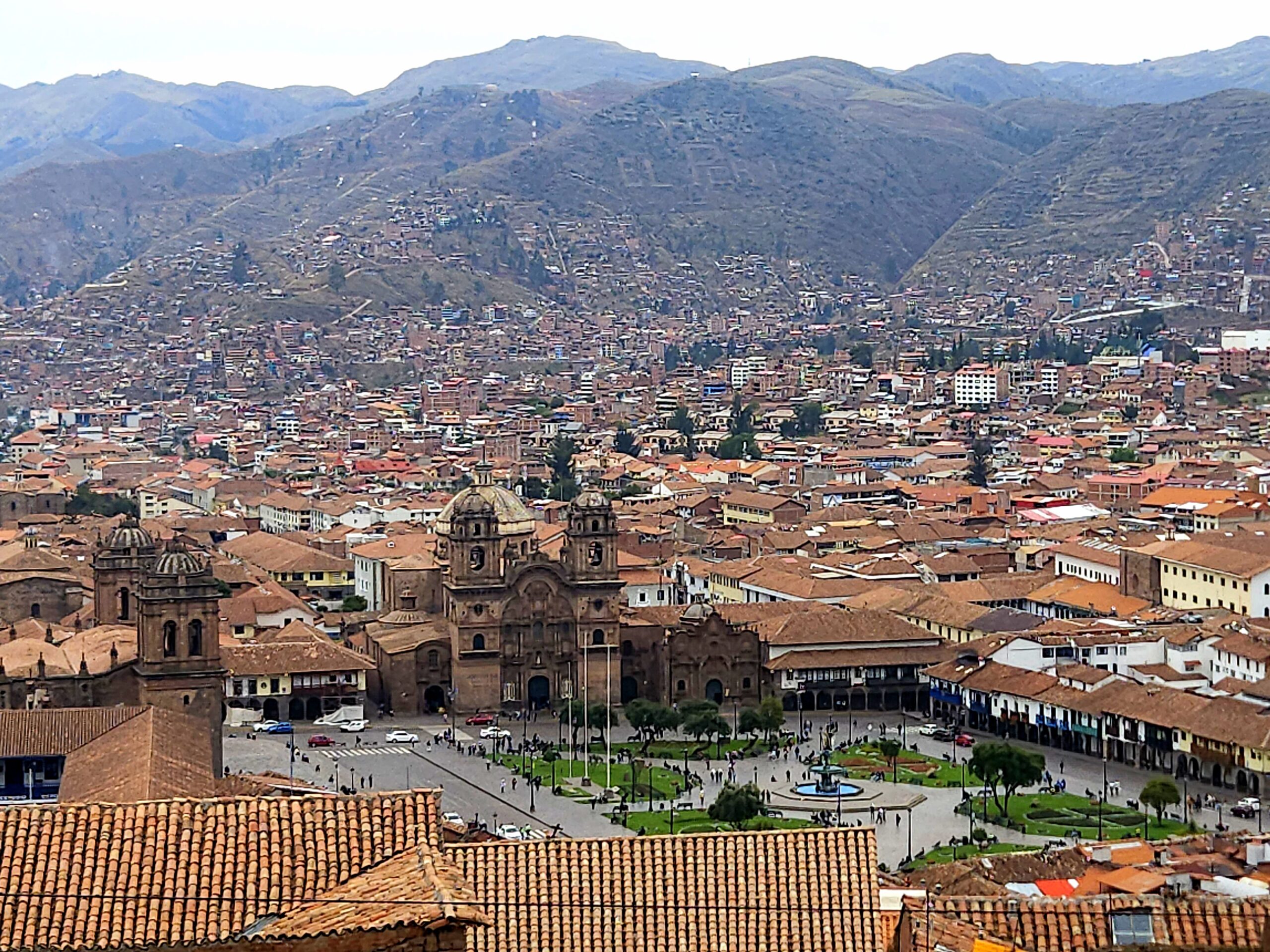
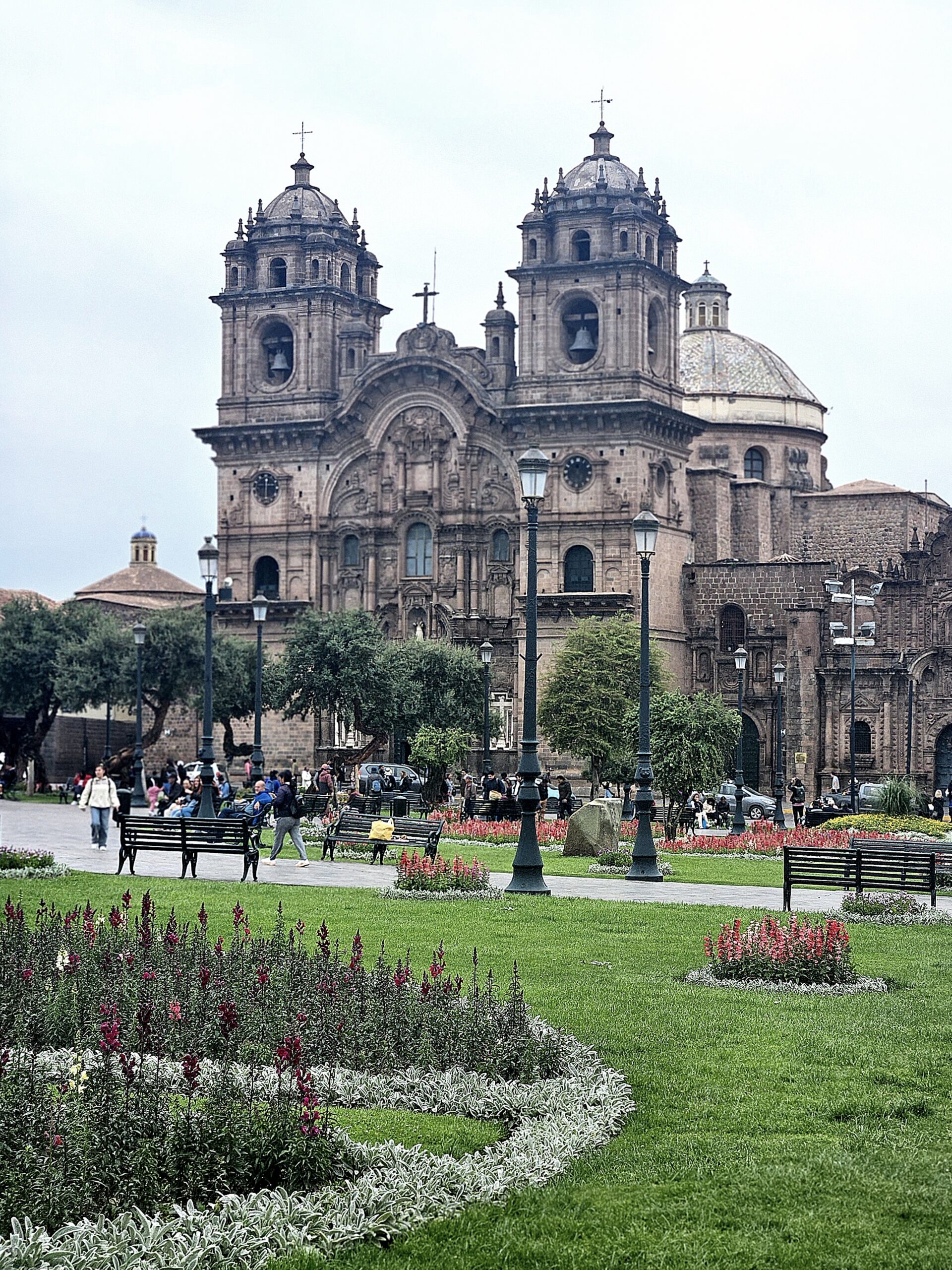 With its airport, Cusco is a main hub for entering the Sacred Valley. Its unique and historic architecture has earned it a listing as a UNESCO World Heritage Site. Visitors these days travel to Cusco and use the town as a base for exploring Machu Picchu. The Incan treasures which were once in Cusco would have been even more impressive than those of Machu Picchu. The stunning mix of colonial architecture, intermingled with fantastic Incan ruins, make this a highlight in Peru. Cusco is believed to be the longest, continuously inhabited city in the Western hemisphere. Founded in 1100 AD, Cusco is built in the heart of one of the world’s most spectacular mountainous regions
Be aware about driving in Cusco It is like a demolition derby when driving out from the airport—we couldn’t wait to get out of town. It was much better driving in the countryside.
Machu Picchu
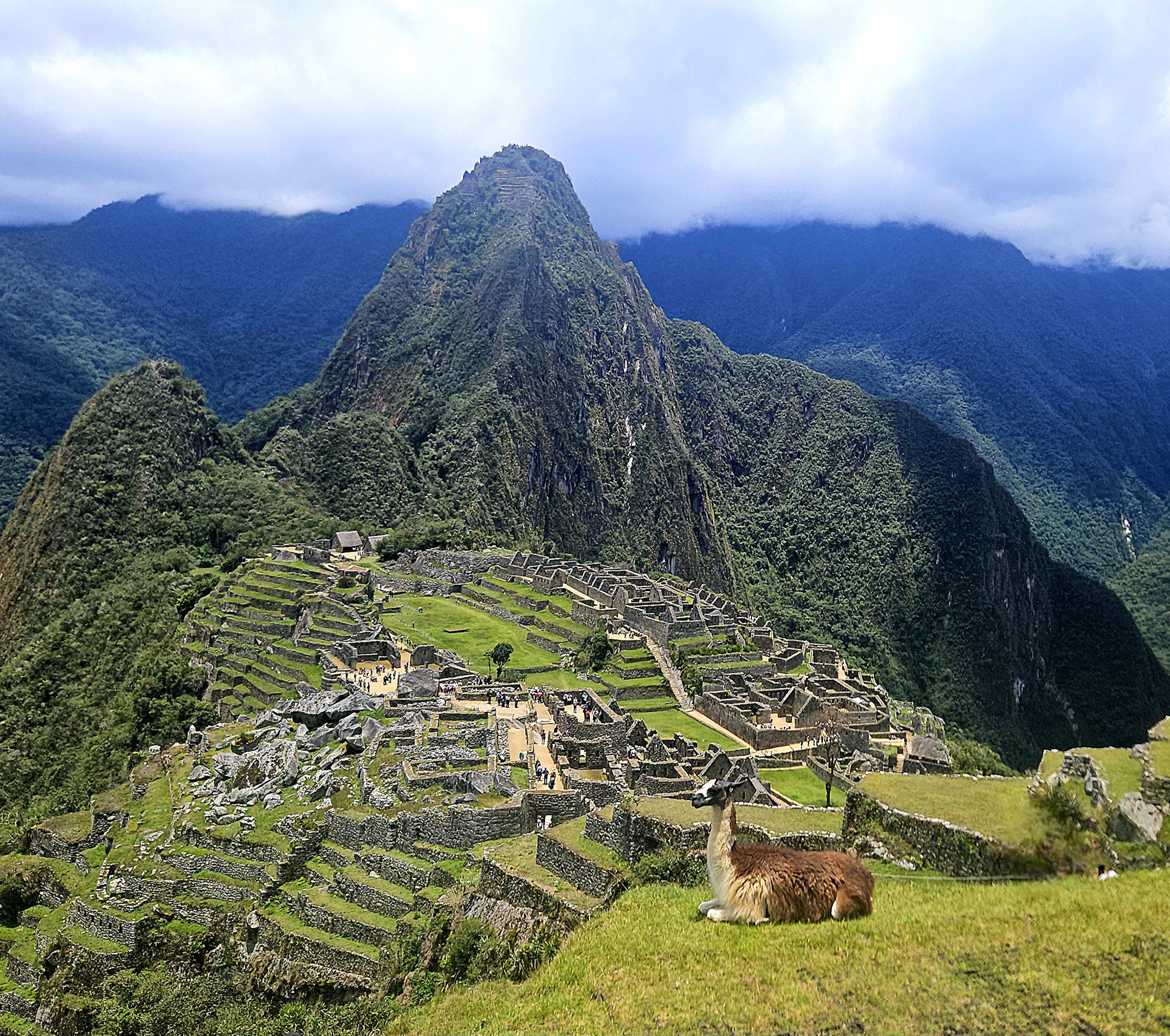
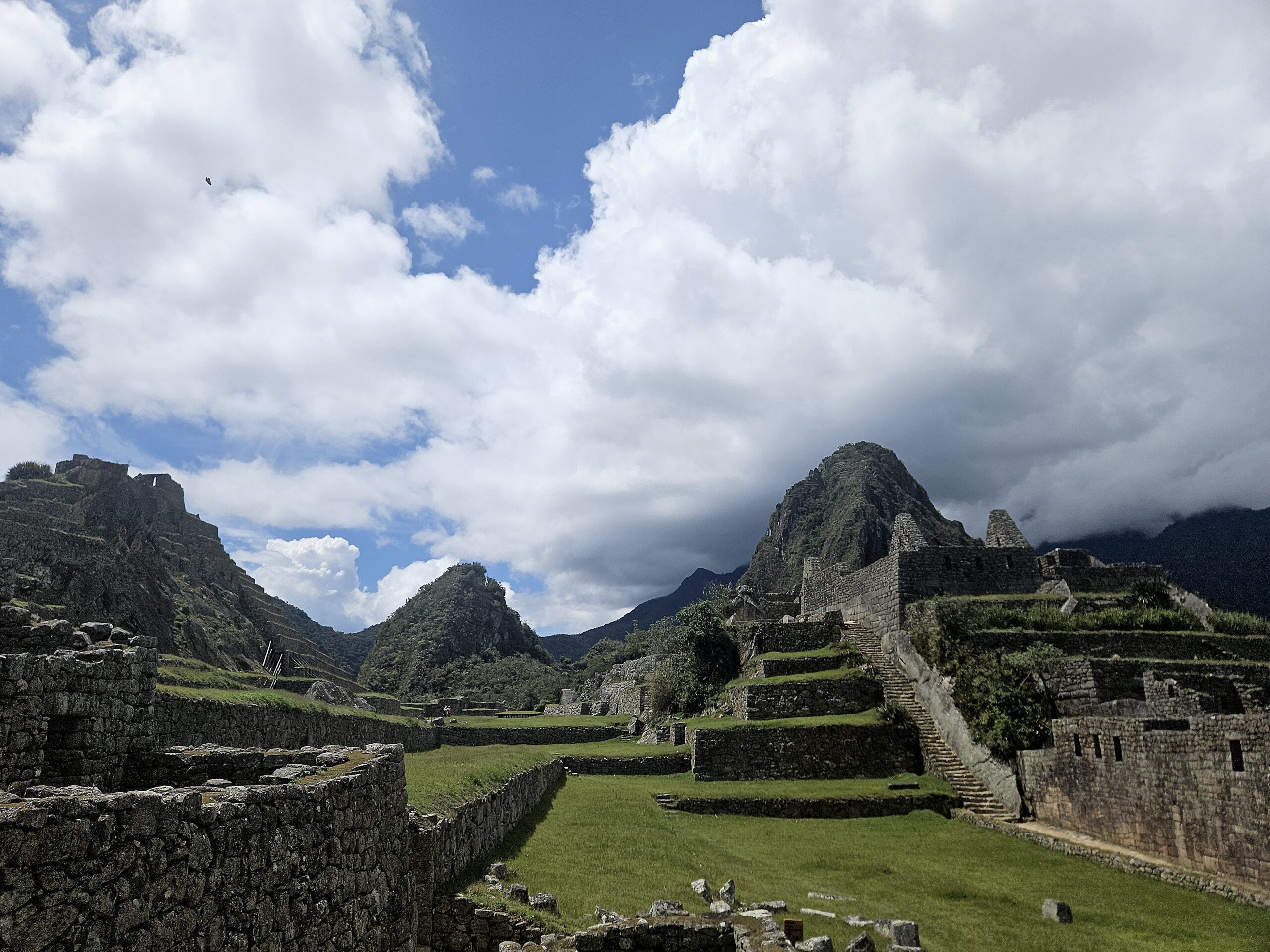
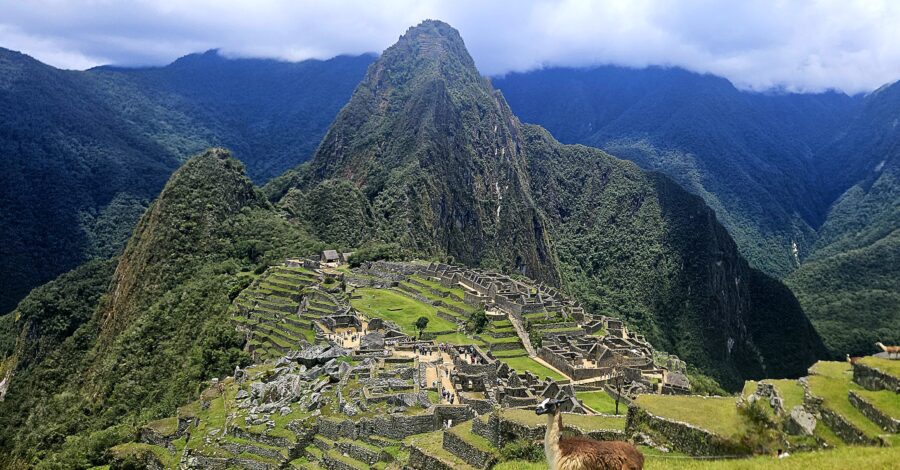
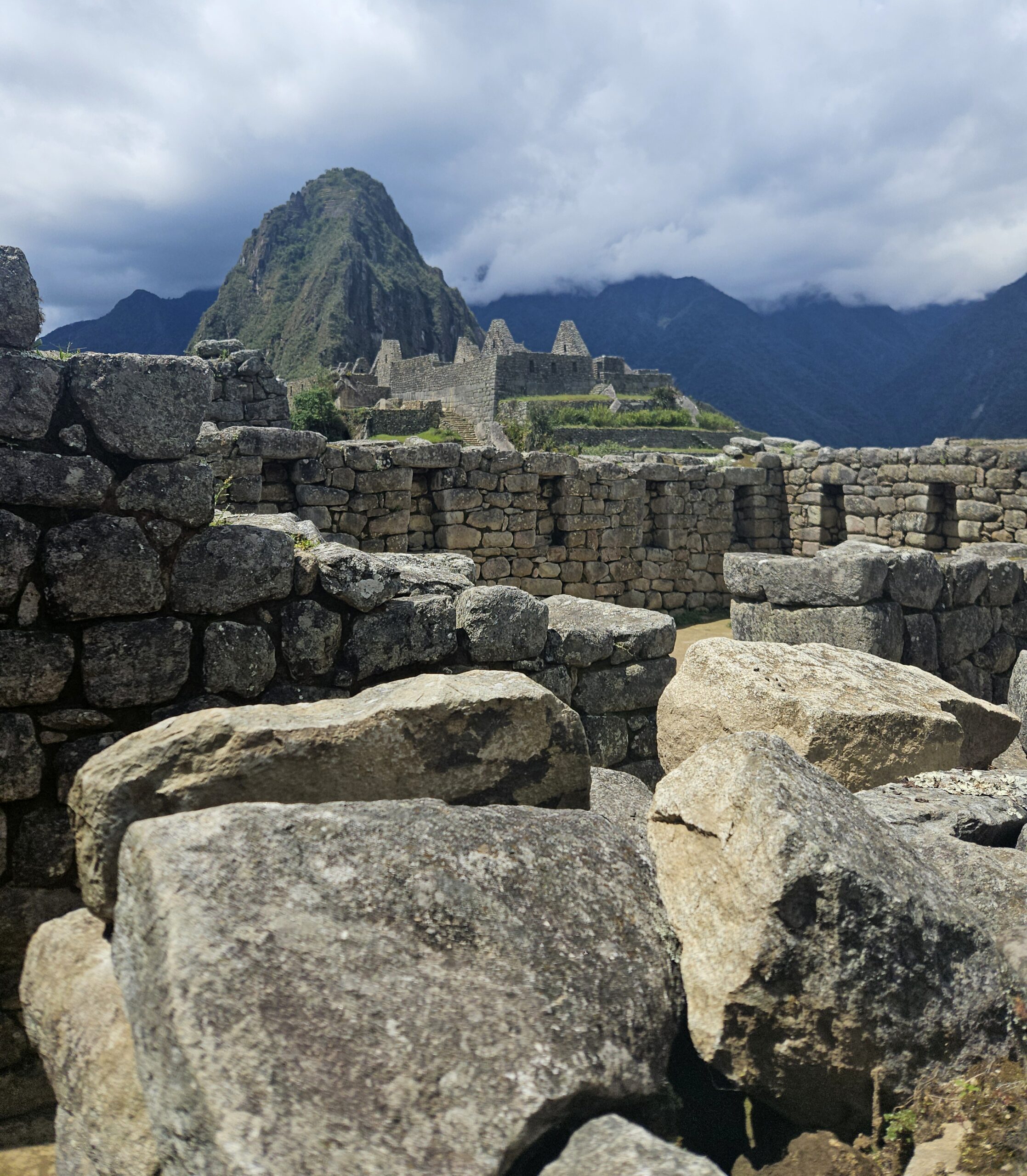 This 15th century marvel, long lost and forgotten by man, is now one of the most visited destinations in the Americas. Dramatically perched on top of a mountain in the middle of a tropical forest, this sanctuary impresses not only for its architectural significance but for its spectacular, inaccessible location. It was declared a heritage site in 1983 by UNESCO and is undoubtably the most remarkable surviving structure of the Incan Empire. This citadel is made up of temples, palaces, terraces, monuments, and complexes.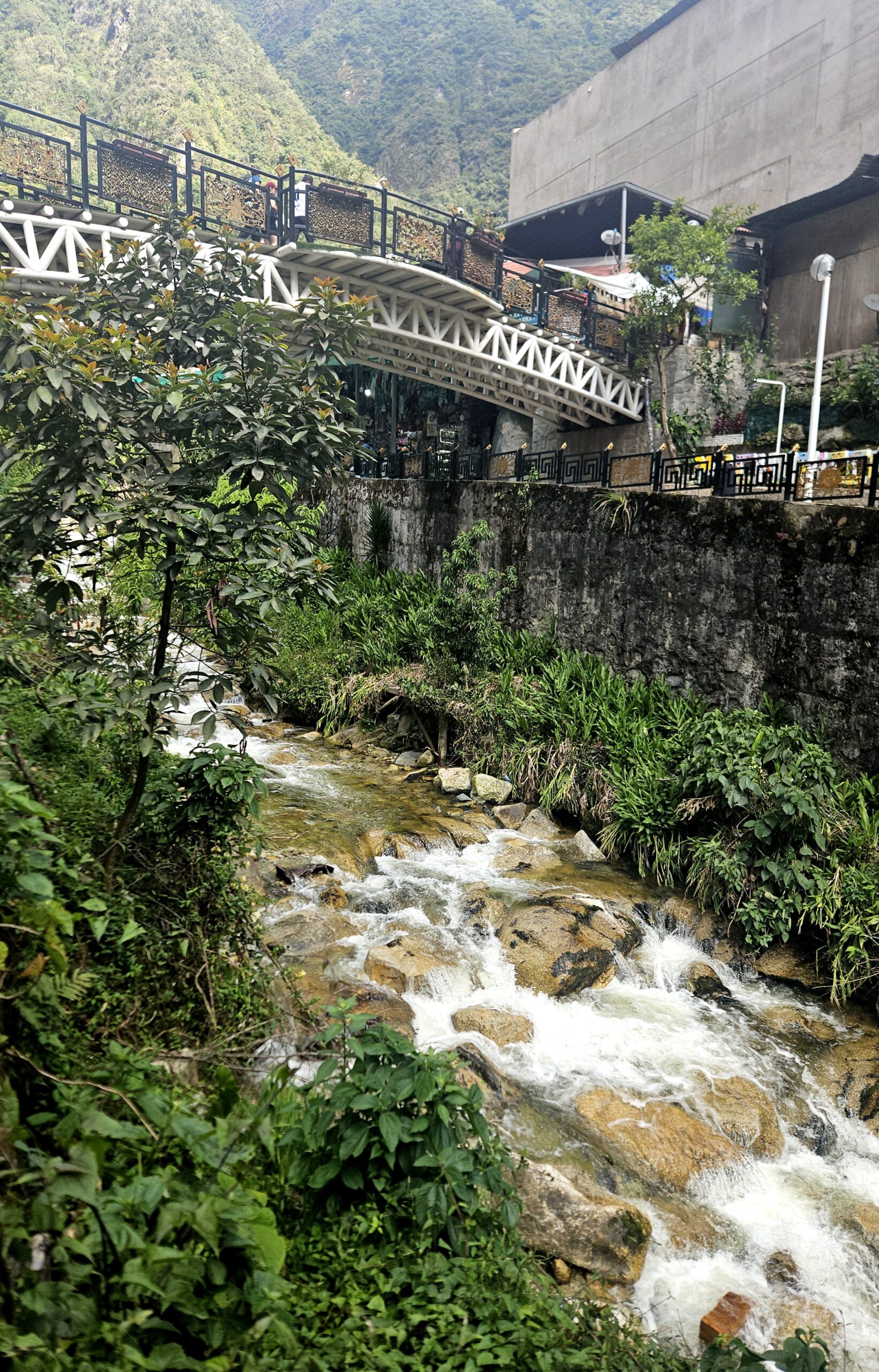
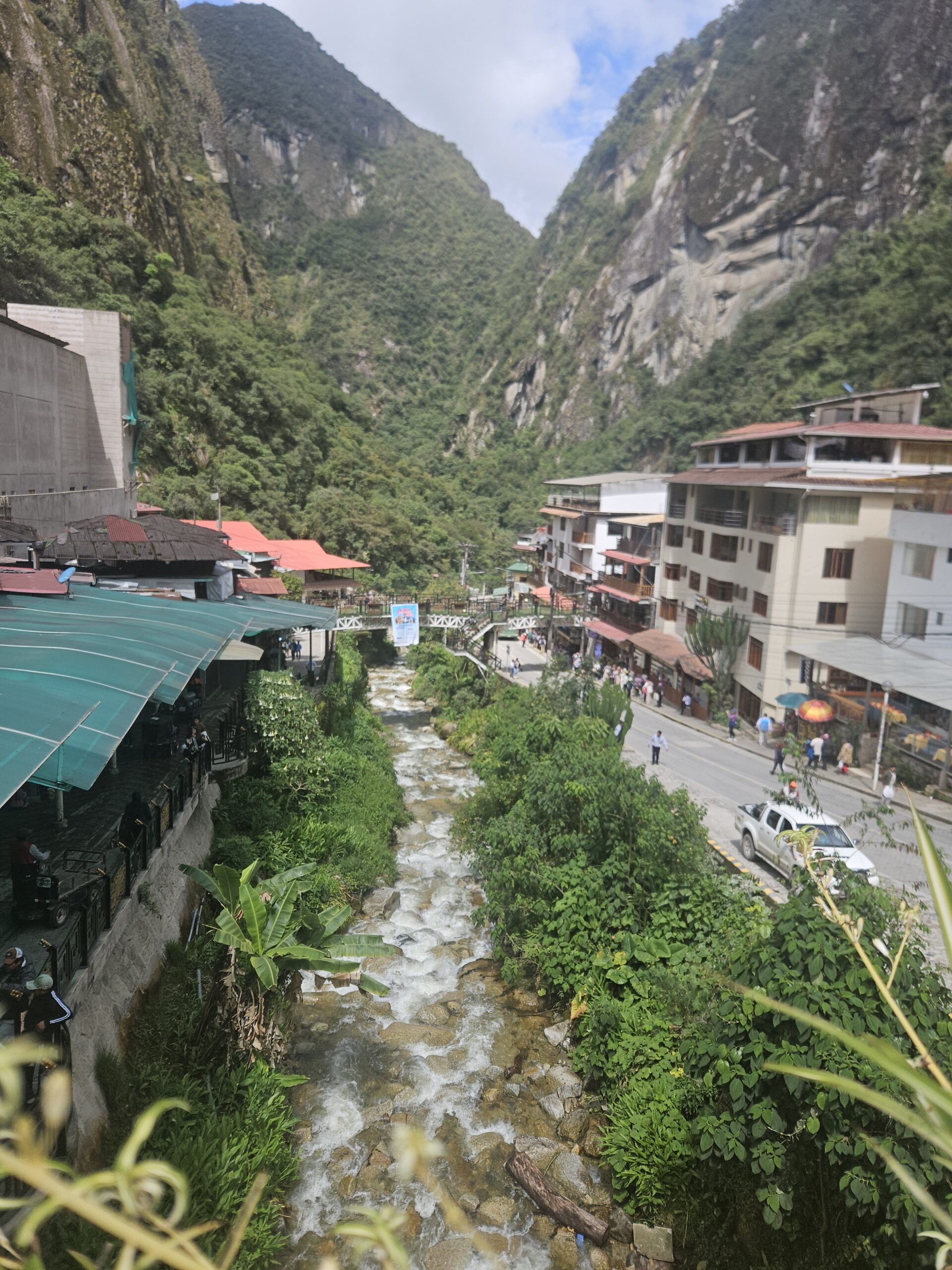 Stone channels built to drain off water, and still intact, have helped to preserve the site over the centuries. The precision with which the large blocks of stone, are placed without any space between them, rivals the pyramids of Egypt. After your train trip from Ollaytaytambu to Aguacalientes you will get off the train and take a bus up to the top. Machu Picchu will take your breath away! Not only because of the high altitude hike but it is absolutely dazzling! You will not soon forget the epic beauty of this UNESCO World Heritage site.