
 Día de los Muertos (Day of the Dead), celebrated mainly in Mexico and Latin America, is a holiday where families welcome back the souls of their deceased relatives for a brief reunion that includes food, drink and festivities. It is celebrated from October 31 until November 2, over the same dates as the Christian period of Allhallowtide (which encompasses Halloween, All Saints Day and All Souls Day). Día de los Muertos is not the Mexican version of Halloween, but both holidays do share some similar rituals, including costumes and parades.
Both holidays are dedicated to remembering the dead, including martyrs and saints and the faithful departed.
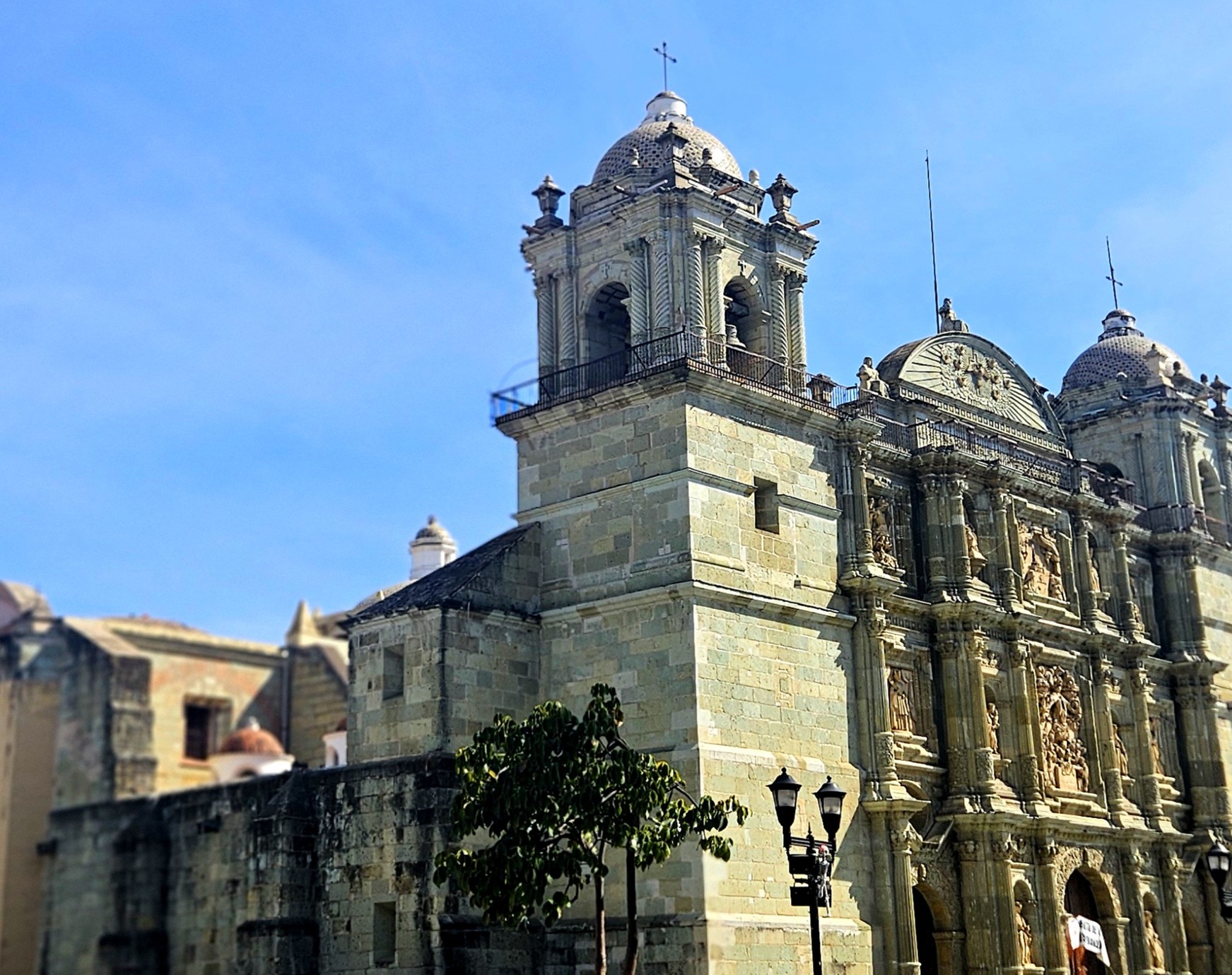
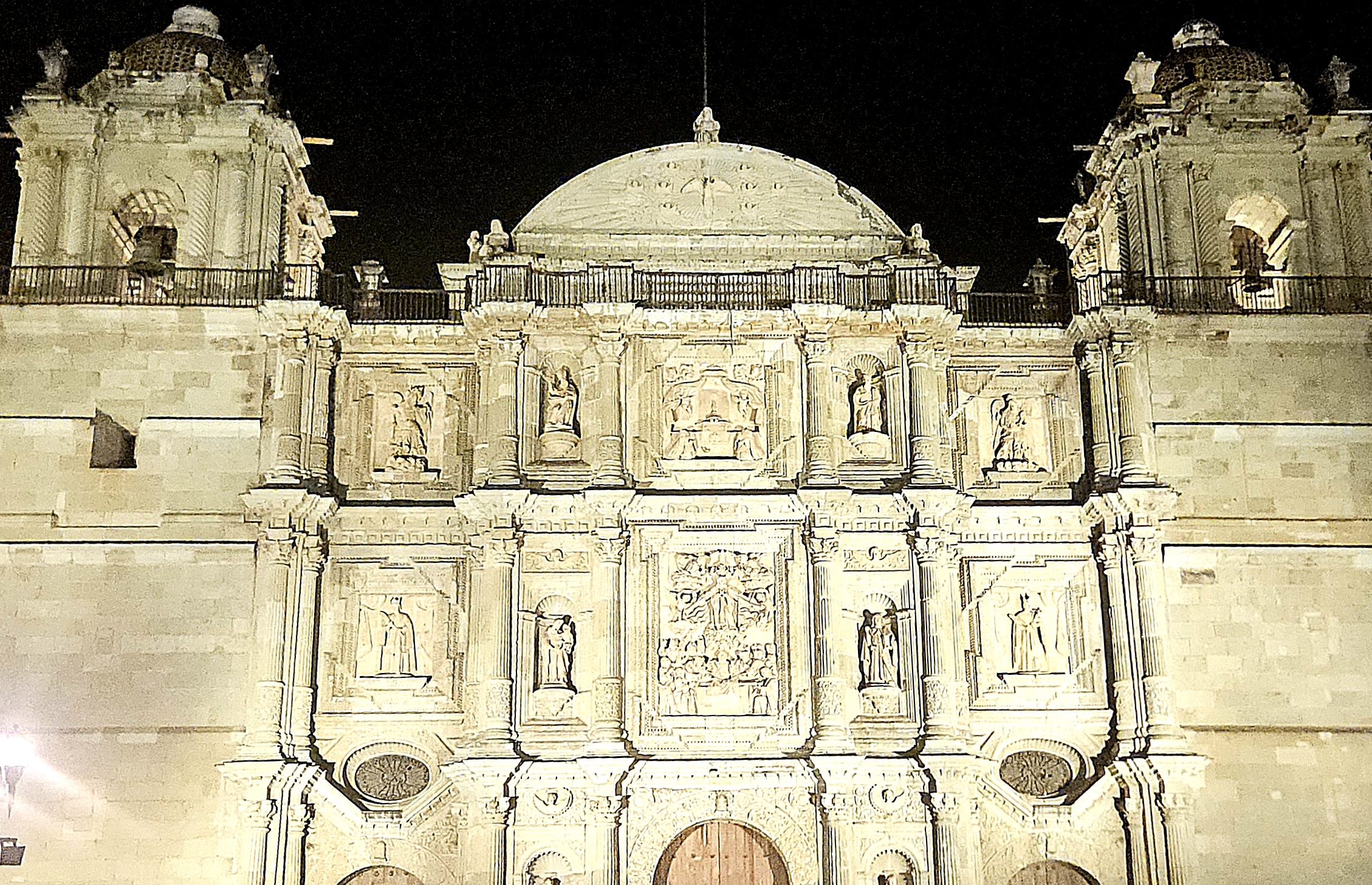
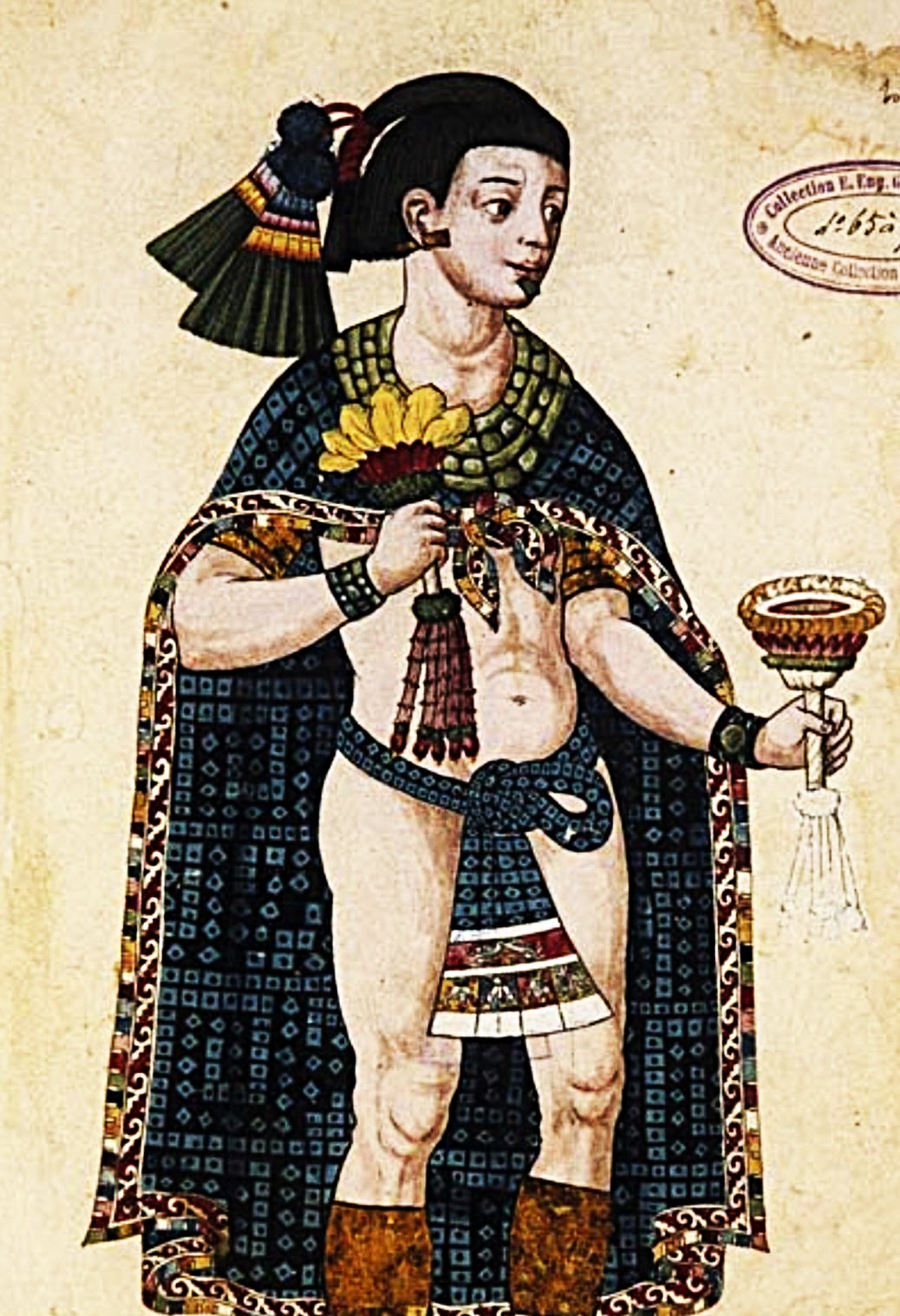 For Day of the Dead celebrants, the boundary between the spirit world and the natural world opens at this time. The holiday is a blend of Mesoamerican ceremony and Spanish Catholicism. The fusion began sometime in the 16th Century, as the first Spanish missionaries encountered Aztec and Nahua traditions and rituals. The indigenous peoples living in what is now central Mexico held a cyclical view of the cosmos and believed death to be an essential part of life. They strove to make peace with the eventuality of death by treating it intimately without fear and dread. Welcoming back their dead became an important tradition.
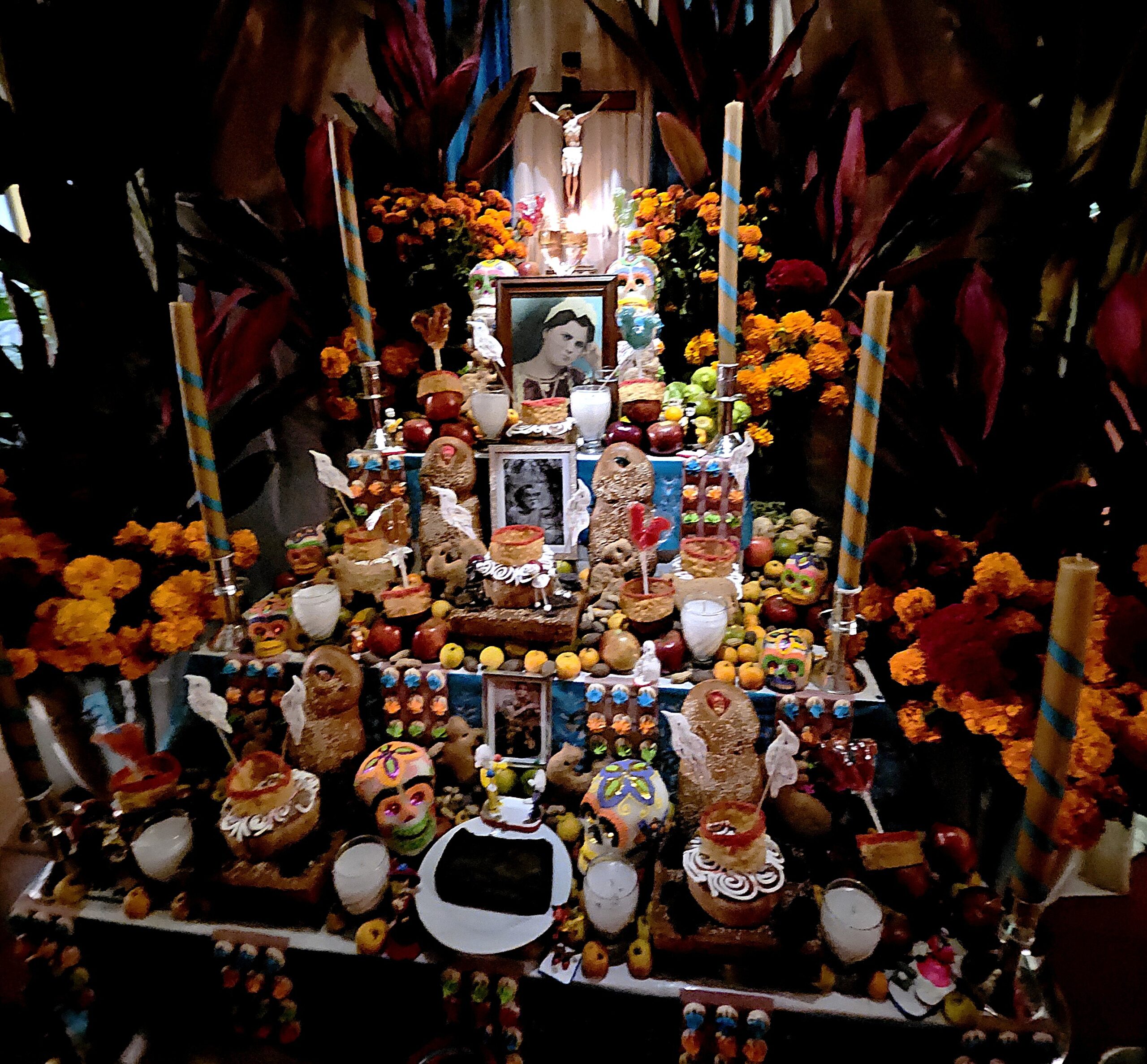
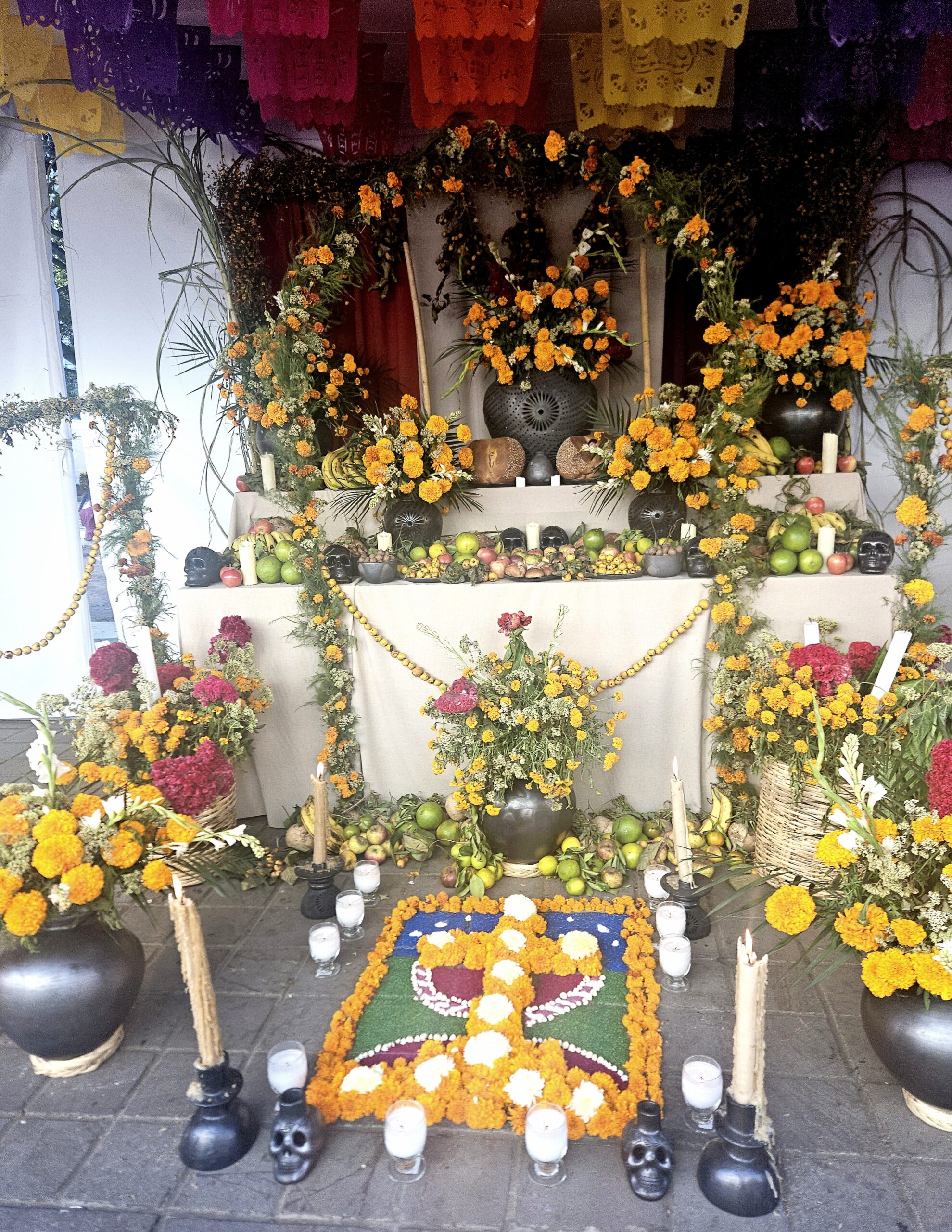
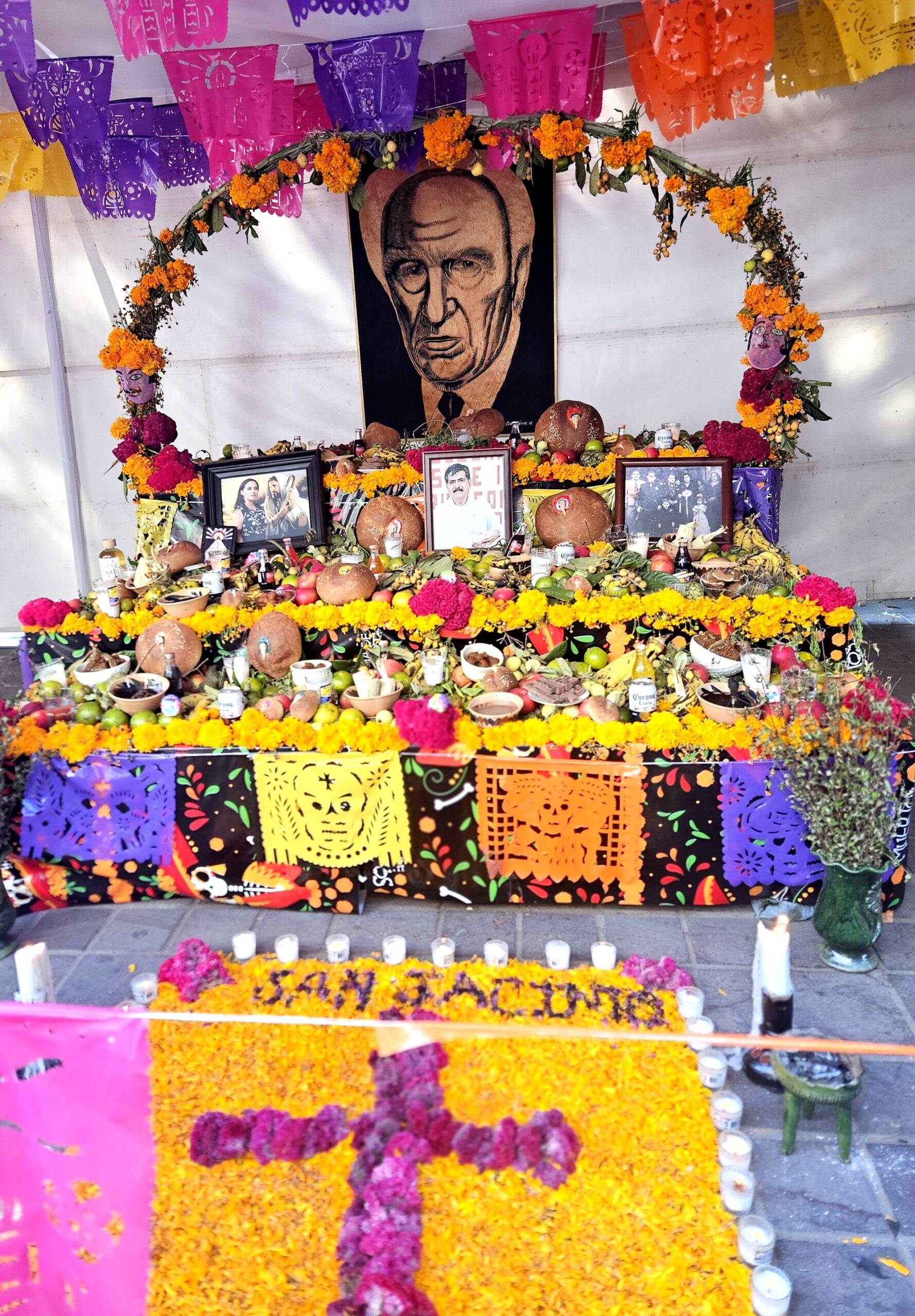
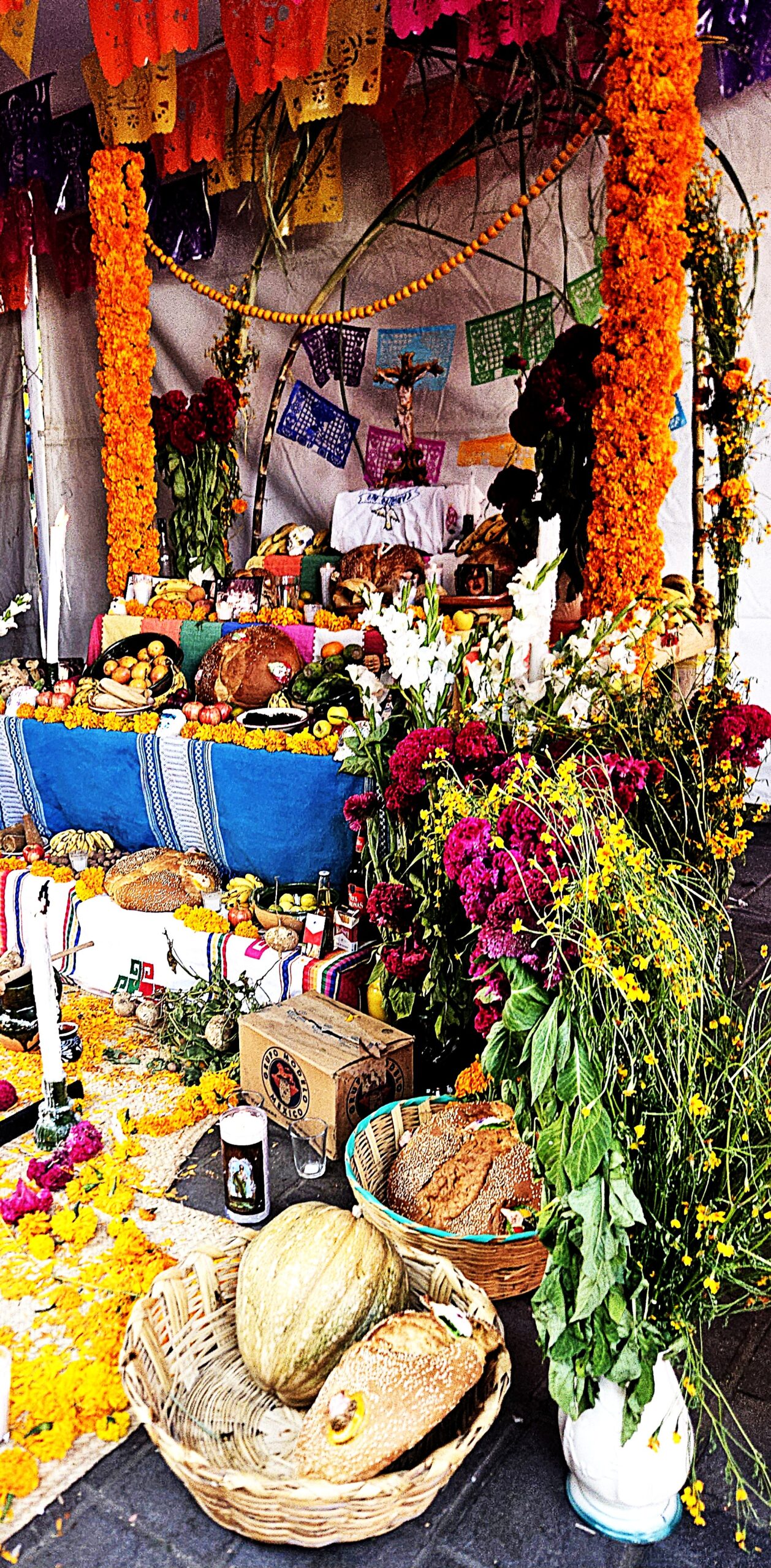
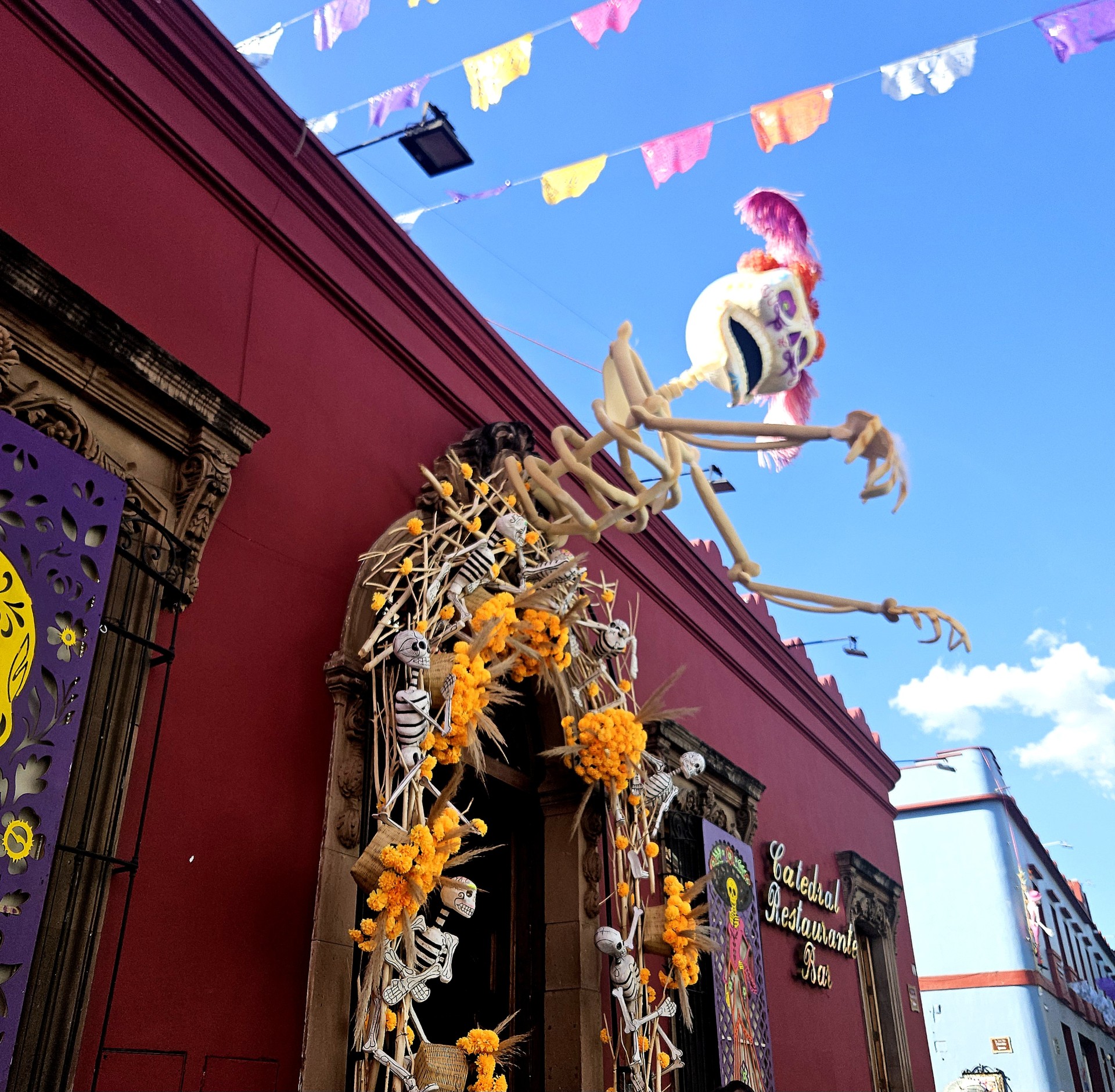
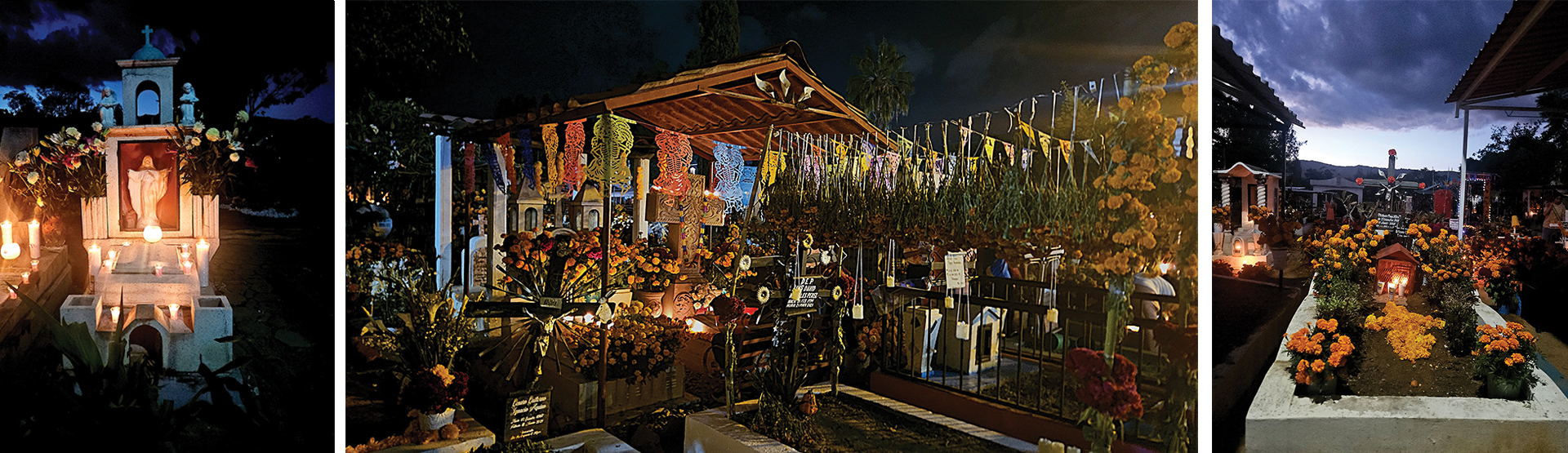
 I have experienced this special event in Mexico on two different occasions, in Morelia and Oaxaca. I especially enjoyed the experience in Oaxaca, as it was loaded with festivities and stunning altars (ofrendas), and has a traditional feel, especially in the cemeteries, Oaxaca’s historic downtown is loaded with altars for the ancestors. Ofrendas are often decorated with candles, vibrant marigolds called cempasúchil, along with foods such as tortillas, dulces (sweets) and fruit. Many homes have personal Altars/Ofrendas for their ancestors. Many head to cemeteries to decorate the graves.
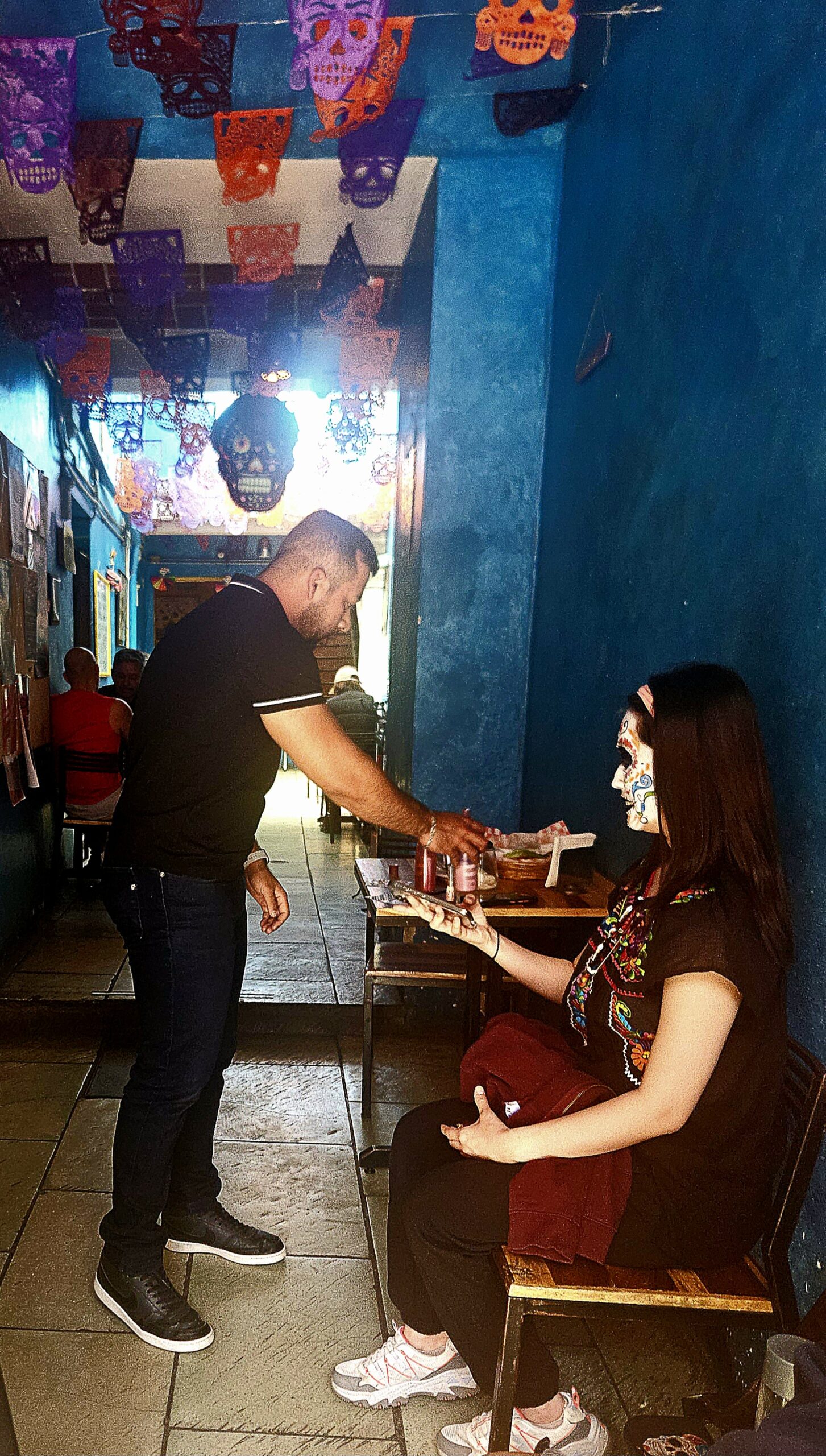
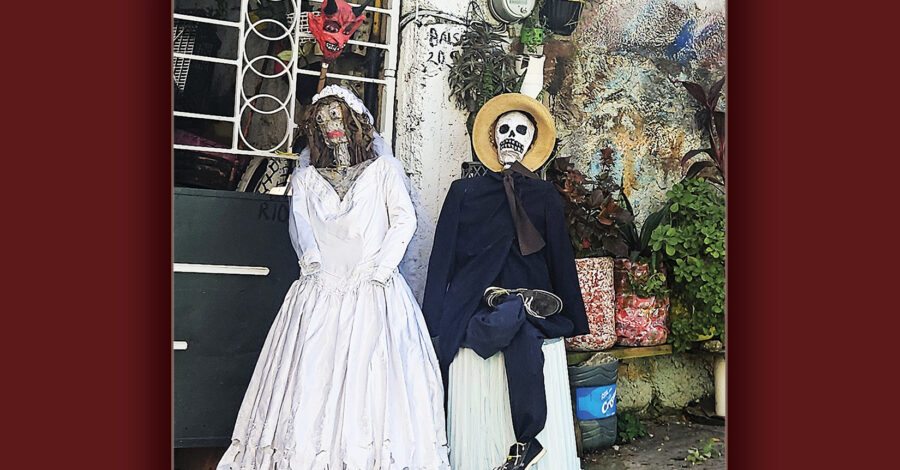
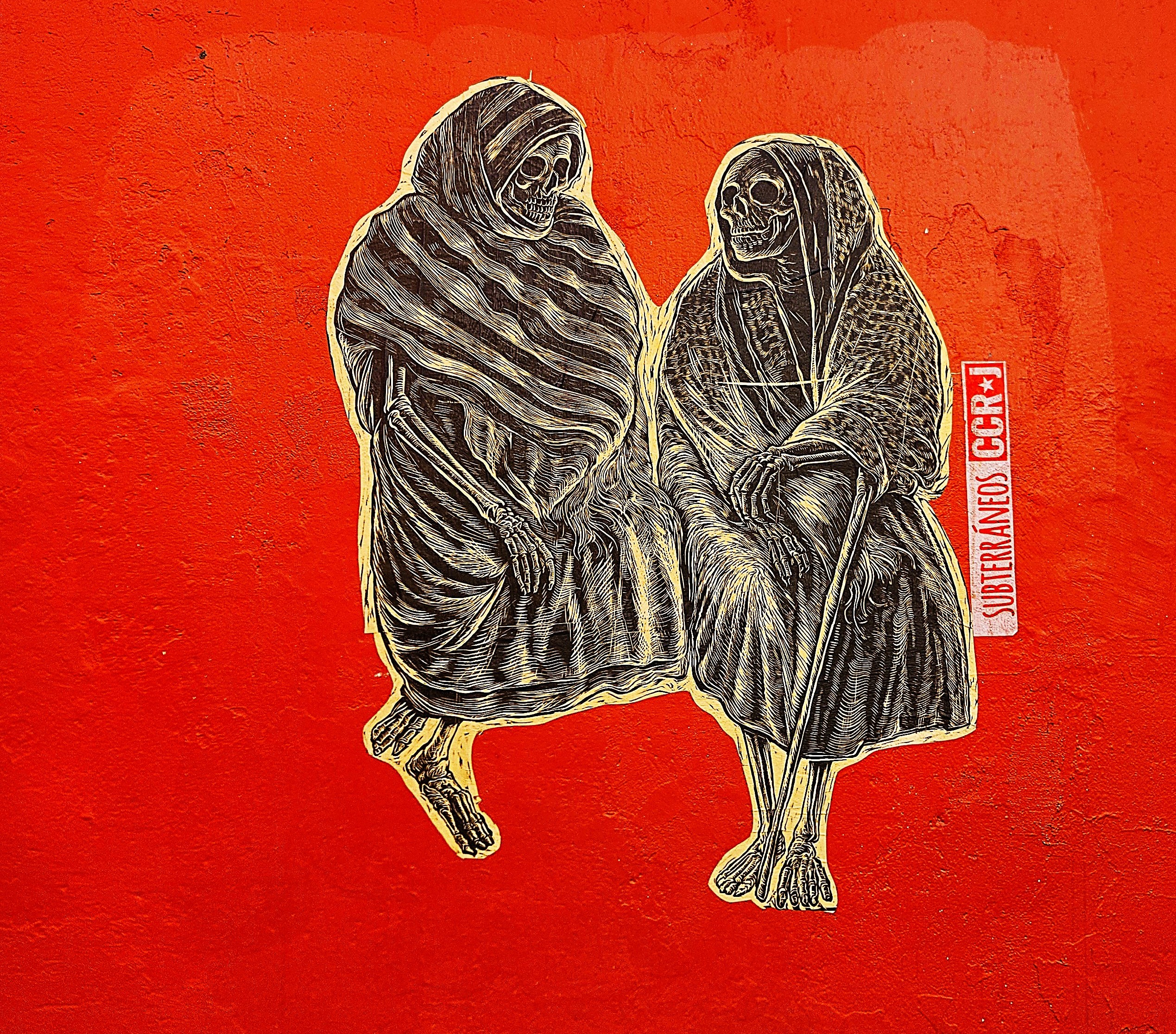
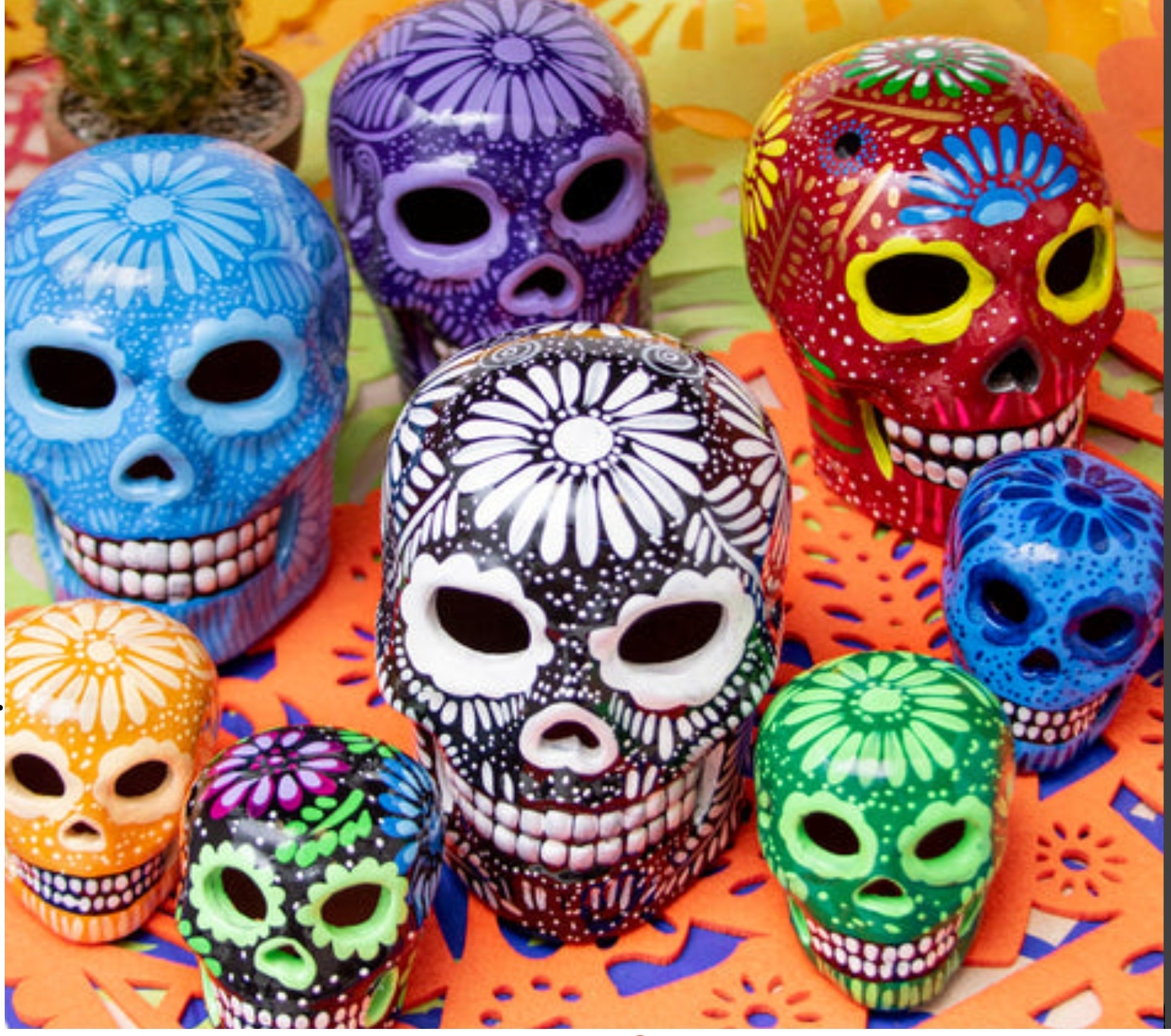
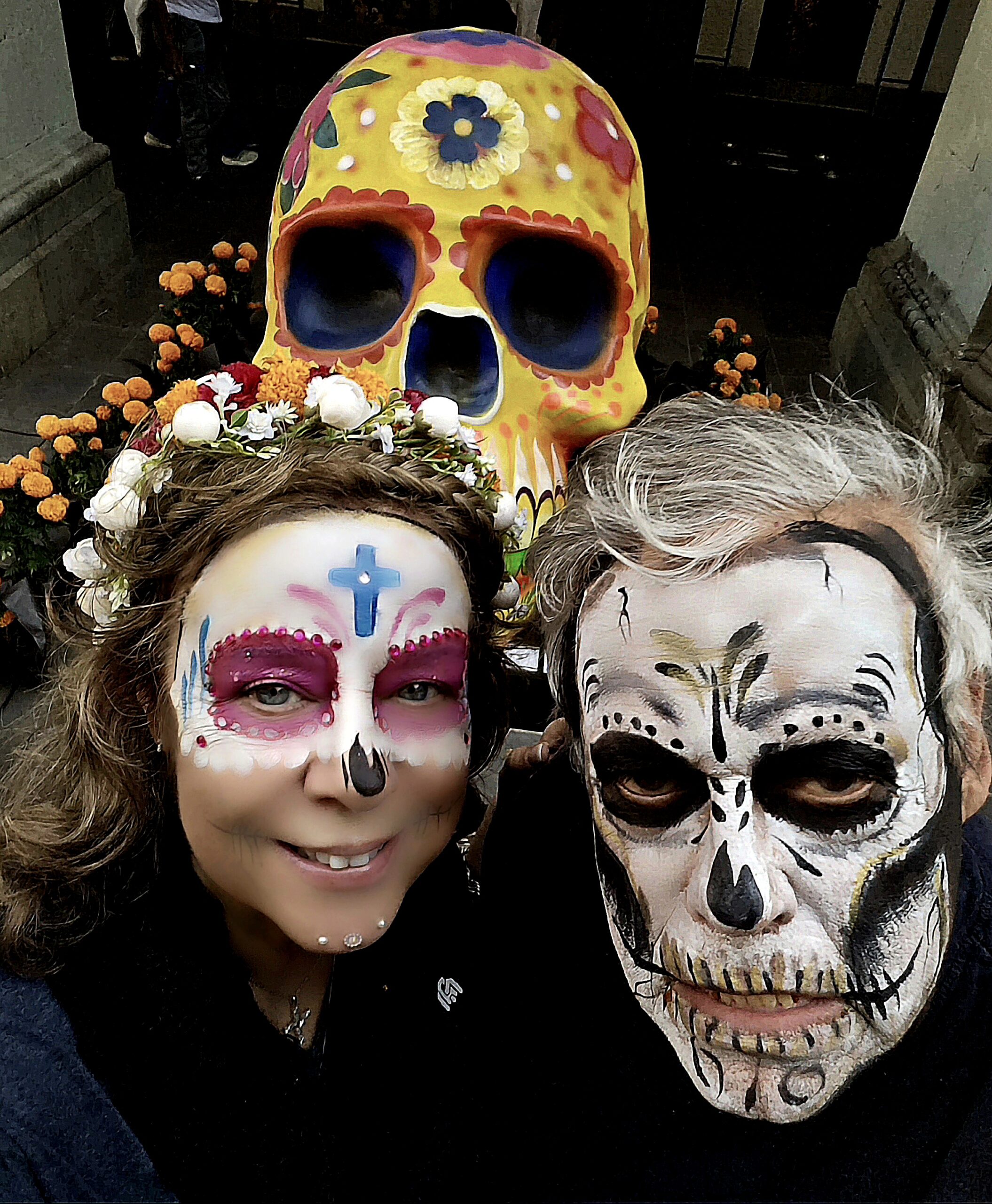 The most conspicuous symbols of the Day of the Dead are calacas (skeletons) and calaveras (skulls) and painted faces. The face painting usually produces skulls, to remind us of the fleeting nature of life. In the early 20th century, printmaker and satirical cartoonist José Guadalupe Posada included skeletal figures in his artwork to scorn politicians and convey his feelings on revolutionary politics. His best-known work,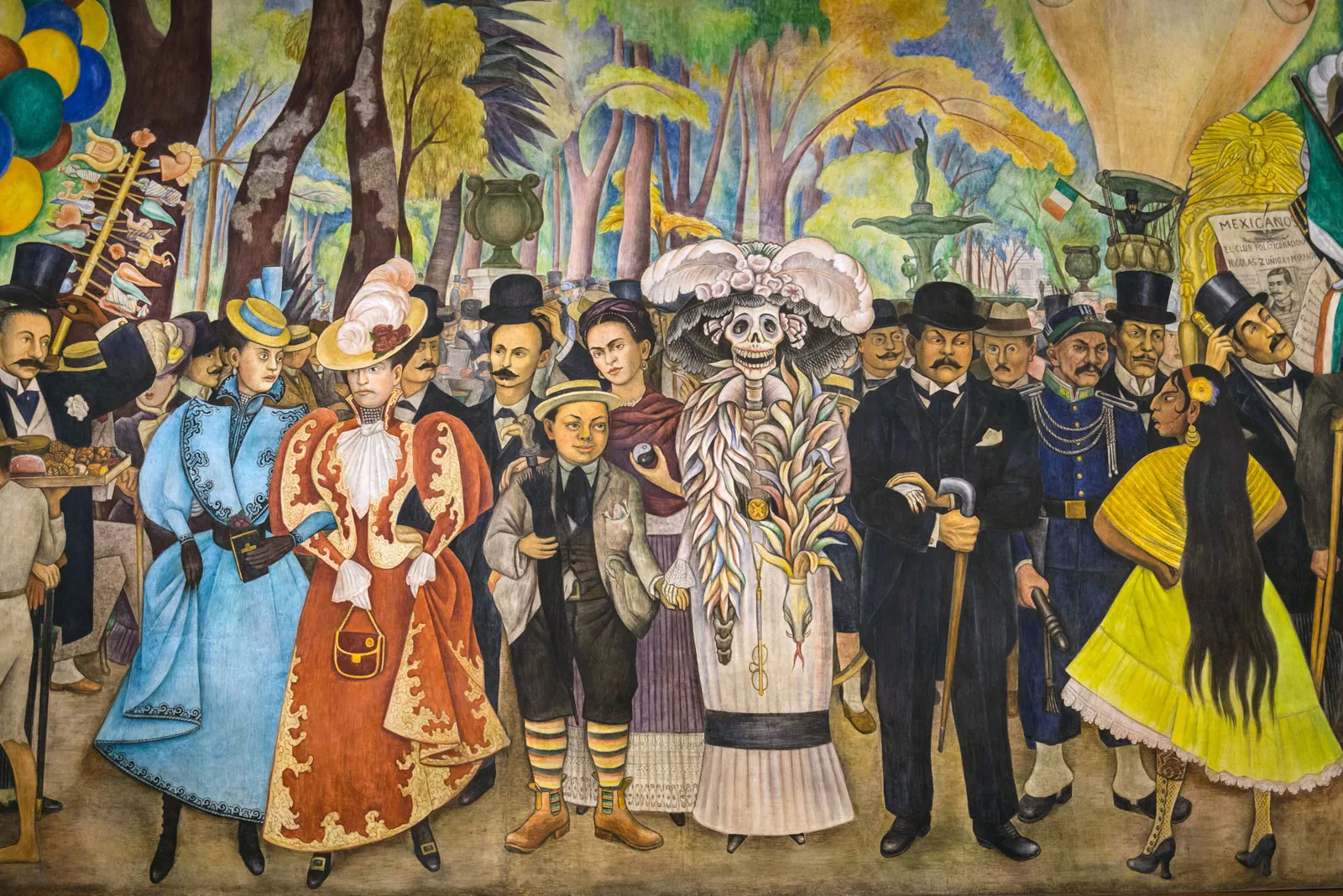
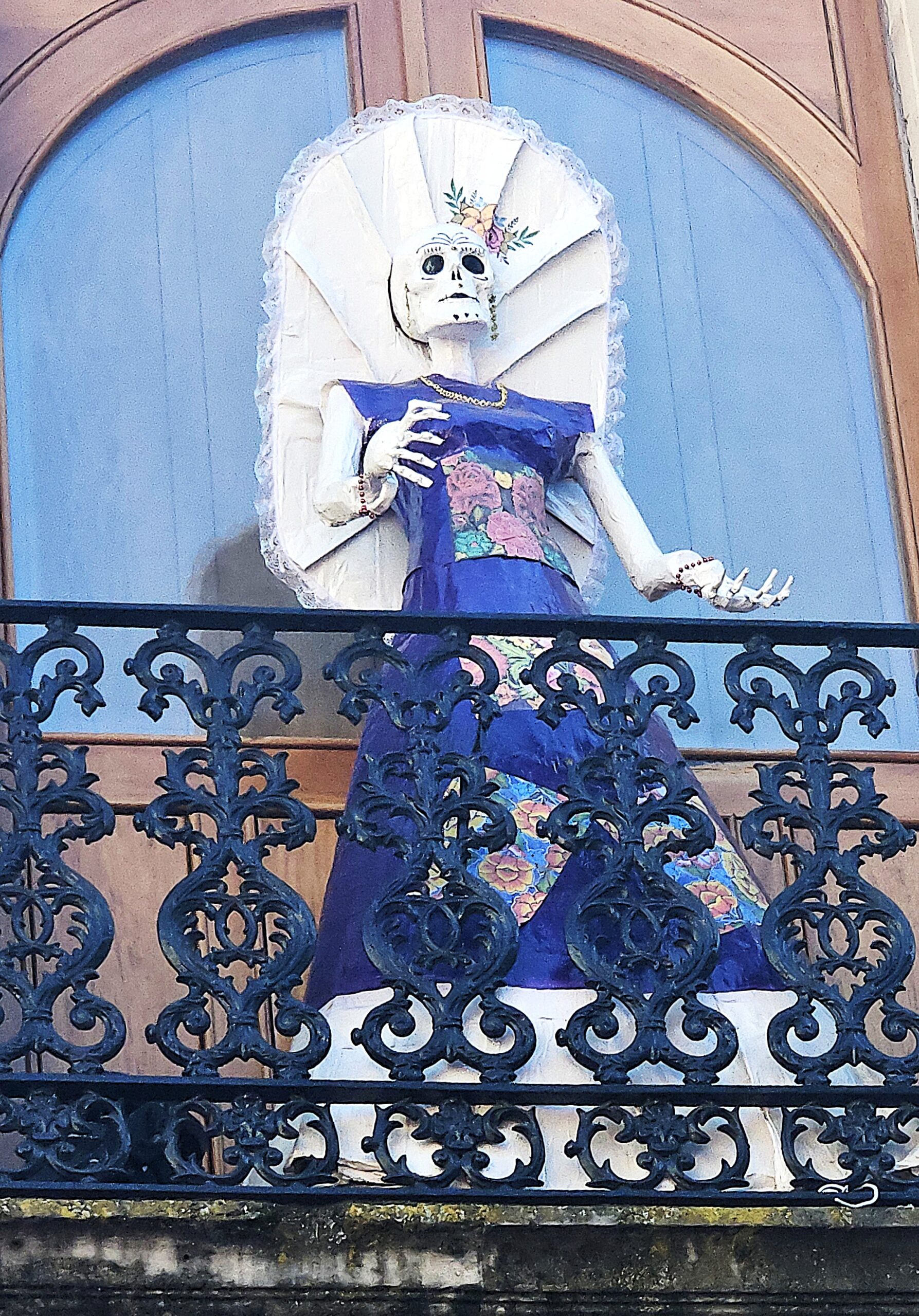 La Calavera Catrina (“Elegant Skull”), depicts a female skeleton in full makeup, dressed with a hat in the stylish clothing of the day.
Day of the Dead in Mexico is an exciting and unforgettable experience Make plans way in advance to get a hotel or special altar and cemetery tour in Oaxaca as things book up many months in advance.